
Professor Kabirul Bashar, an entomologist in the zoology department of Jahangirnagar University, asks in a Dhaka Post column why Bangladesh still has no effective, lasting system of dengue control after some 27 years. Dengue, he argues, is no longer a seasonal problem but a chronic national crisis.
Citing the Directorate General of Health Services, he says 133,367 people had been treated in hospital and 418 had died this year up to 30 October. In 2023 more than 321,000 were infected and 1,705 died, with 575 deaths in 2024 and 413 in 2025. Infection may ease somewhat in November and December, he writes, but there is little reason for optimism about how much.
Dengue has now reached districts, upazilas and villages, he notes, so plans cannot centre on Dhaka alone. Programmes should be judged not by how often insecticide was sprayed but by how far mosquito density, high-risk areas, illness and deaths have fallen.
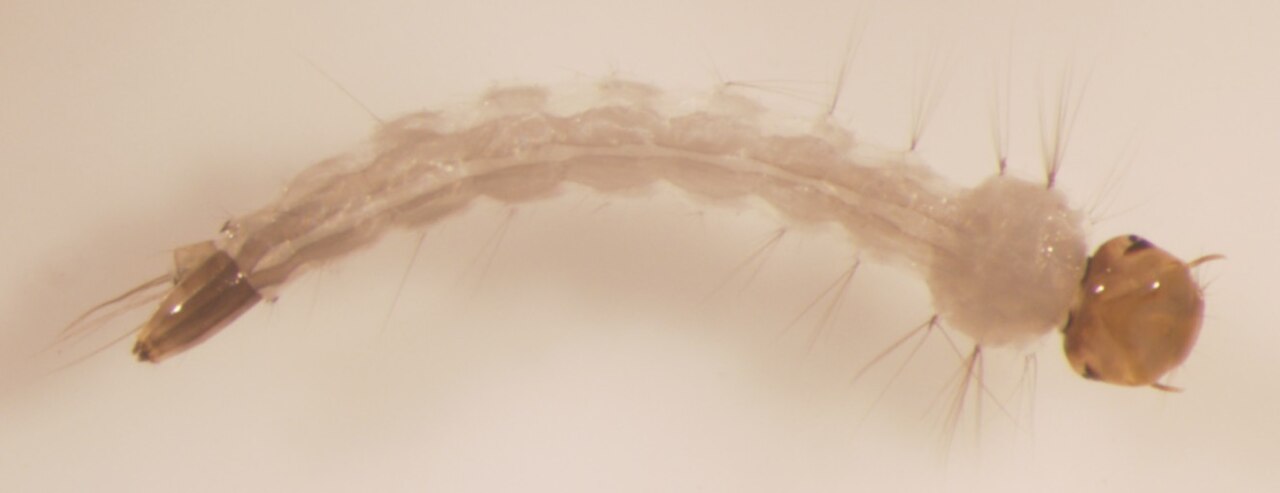
Aedes mosquitoes breed in water left on roofs and balconies, in flower pots, discarded containers, tyres, water tanks and buildings under construction, so spraying drains and roads will not control them. Breeding sites must be destroyed, larvae controlled, mosquito density measured and insecticide tested, all together.
He proposes a strong national institution for dengue control, led by an entomologist with deep knowledge of mosquito biology and vector control, and says every household must keep its own home and surroundings clear. The views are the writer's own.
Photo: Econt / Wikimedia Commons (CC BY-SA 3.0)
Source: Dhaka Post




Comments
(0)