
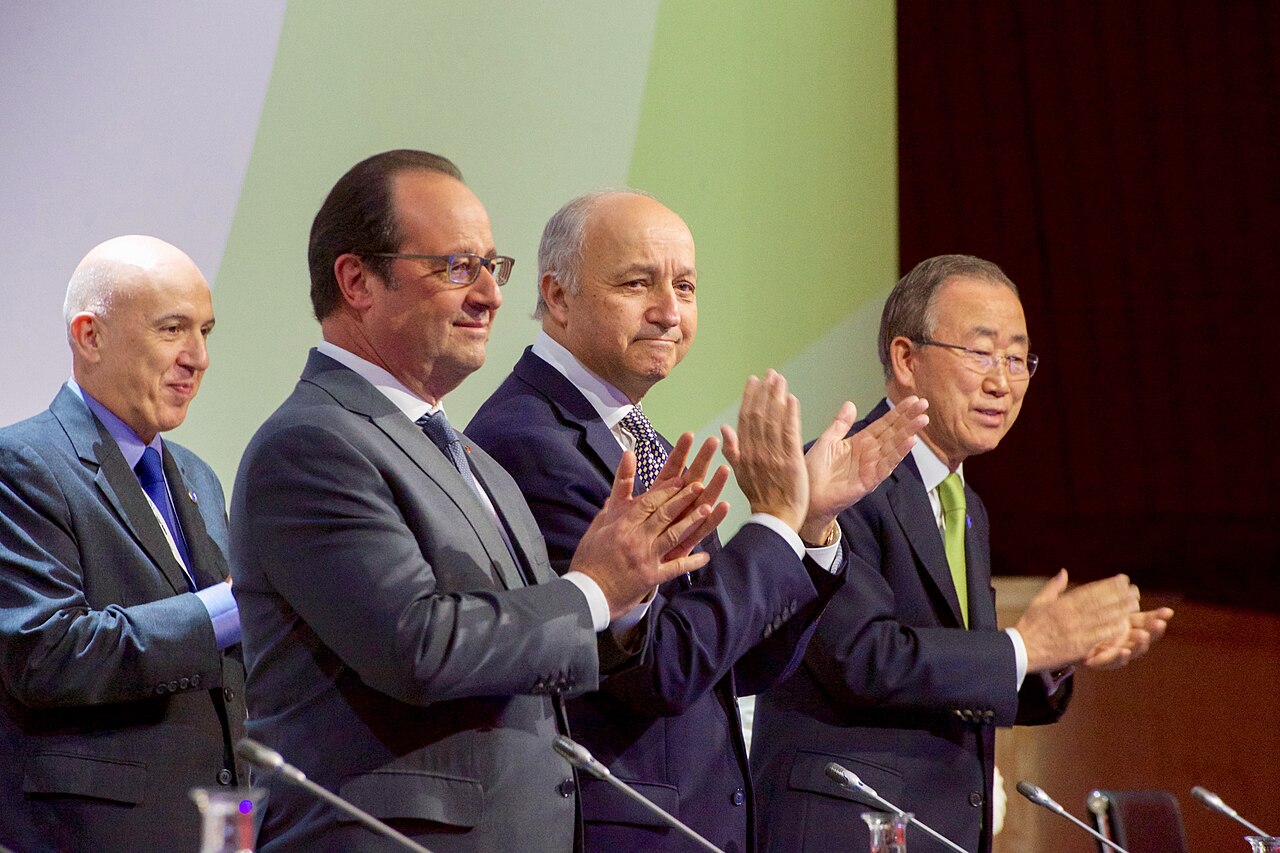
The 31st UN climate summit, COP31, meets in Anatolia, Turkey, from 9 to 20 November, with Turkey in the chair and Australia leading the formal negotiations. In a column in Prothom Alo, Dr Md Shahjahan Kabir, former director general of the Bangladesh Rice Research Institute (BRRI), asks whether it will add one more layer to unfinished promises or open a chapter of delivery.
He recalls that rich countries promised in 2009 to raise USD 100 billion a year in climate finance by 2020. By the OECD's count the figure was first passed only in 2022, at USD 115.9 billion, and the delay deepened the mistrust between developed and developing countries.
The Baku summit of 2024 set a goal of at least USD 300 billion a year by 2035. He writes that many developing countries find this too little, and that aid given as loans can add to the debts of vulnerable countries, so grants, low-interest finance and technology transfer must carry equal weight.
Citing the UN Environment Programme's 2025 assessment, he notes that current policies point to about 2.8 degrees Celsius of warming this century, and that even full delivery of national pledges would leave it at 2.3 to 2.5 degrees.
Bangladesh accounts for 0.44 percent of global greenhouse gas emissions, yet salinity, cyclones, floods and drought are hurting its farming and livelihoods. Its NDC 3.0, filed in 2025, aims to cut emissions 20.31 percent below business as usual by 2035, and 13.92 percentage points of that depend on international support.
He argues that Bangladesh should press for finance based on need, grants first, technology transfer and projects that can be carried out locally, and he names efficient irrigation and climate-resilient farming among the priorities. The views are the writer's own.
Photo: U.S. Department of State / Wikimedia Commons (Public domain)
Source: Prothom Alo



Comments
(0)