
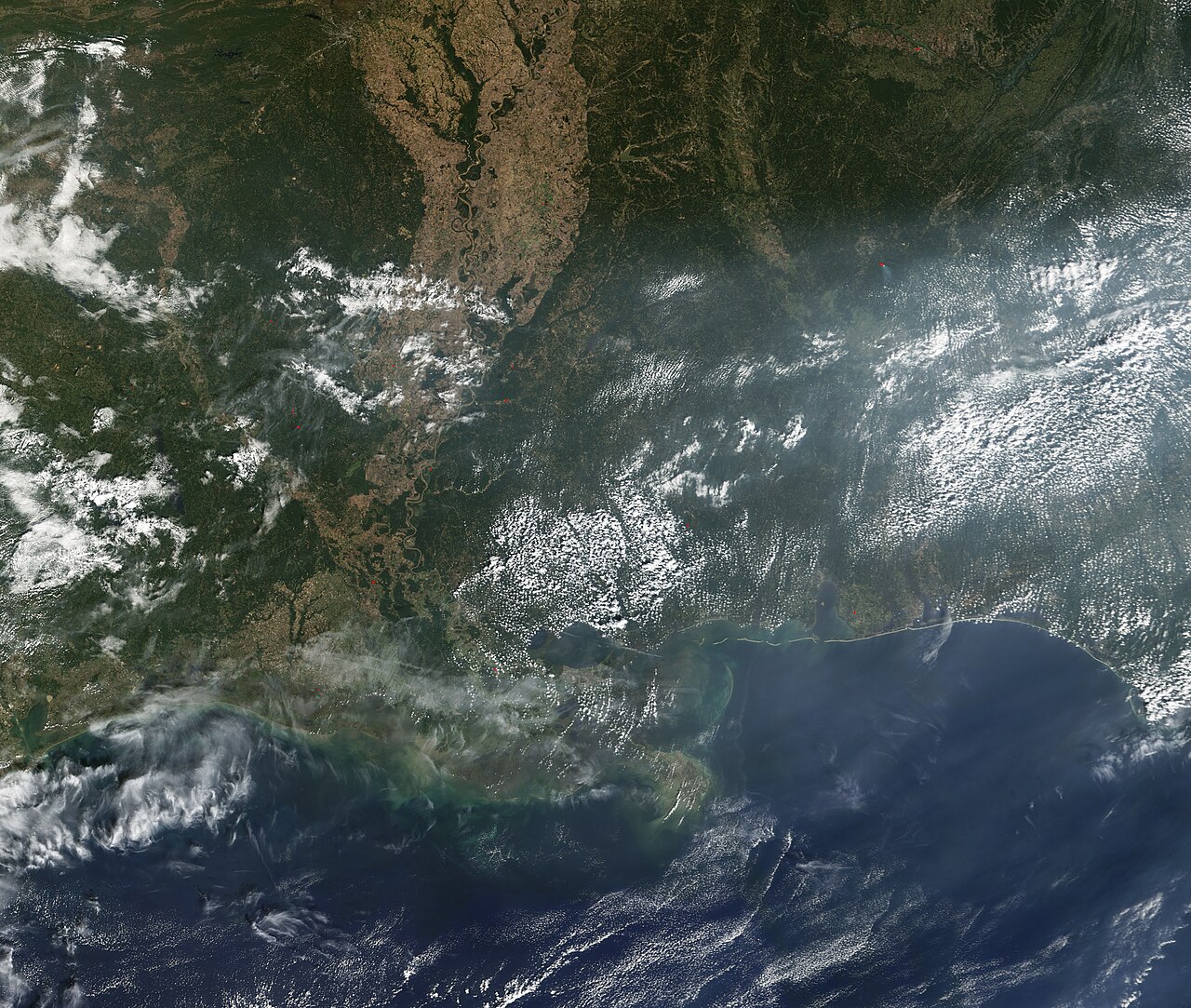
Burning crop residue after harvest and in early spring saves field passes and helps control weeds, pests and disease, but with another long dry spell across the Delta, a fire that escapes can bring fines and liability. Farm Progress has gathered the smoke-management rules of the three Delta states for growers who intend to burn this season. The principle in every state, it notes, is that "the smoke belongs to you".
In Arkansas the guidelines are voluntary and were developed by the University of Arkansas System Division of Agriculture. Growers are asked to complete a checklist naming the person responsible, the location, the acres, the fuel type and the distance to any smoke-sensitive area; to check for county burn bans and Arkansas Forestry Division fire-weather warnings; and to have firebreaks, water and firefighting equipment in place. Burning is to be avoided during temperature inversions, in fog or low visibility, in gusty or variable wind, at wind speeds above 15 mph for row crops, when humidity is under 20 per cent, and when smoke would drift onto neighbours, communities or highways. Fires are reported to the Arkansas Department of Agriculture at least 24 hours ahead where possible, by phone or through the FireSmart app, and farmers remain liable for damage from escaped fire or smoke.
Louisiana's guide, run by the Department of Agriculture and Forestry, recognises certified and non-certified burn managers. Certification requires supervising at least five burns, LSU AgCenter training, a burn plan and best-management practices, and a score of 70 per cent or more on a written test; in return a certified burner gets a "rebuttable presumption of non-negligence" under state law that non-certified managers do not. Sugarcane burning specifically requires a certified burner. Non-certified managers on private land must notify the Office of Forestry 24 to 72 hours before a burn with its location, date and time, and failing to do so carries penalties of $250 to $500 depending on the number of offences.
Mississippi treats prescribed burning as a farmer's right but requires a permit through the Mississippi Forestry Commission for legal protection under state law. Certification there means completing the S-190 online course, a one-day short course and an exam passed at 80 per cent or higher, after which a notarised burn plan is filed and permits are issued day by day on National Weather Service fire-weather forecasts, for morning or evening burns. The state offers a Simple Smoke Screening Tool, a fire-weather page and a permit map.
Across the region, most prescribed burns must be reported with the date, time and weather conditions, and a category-day rating, usually 1 to 5, drawn from National Weather Service forecasts sets whether conditions allow burning. Keeping records of those conditions, the article stresses, is how a grower demonstrates diligence if a fire or its smoke causes damage. Reported by Whitney Shannon for Farm Progress.
Photo: NASA Earth Observatory, Jesse Allen / Wikimedia Commons (Public domain)
Source: Farm Progress
Comments
(0)