
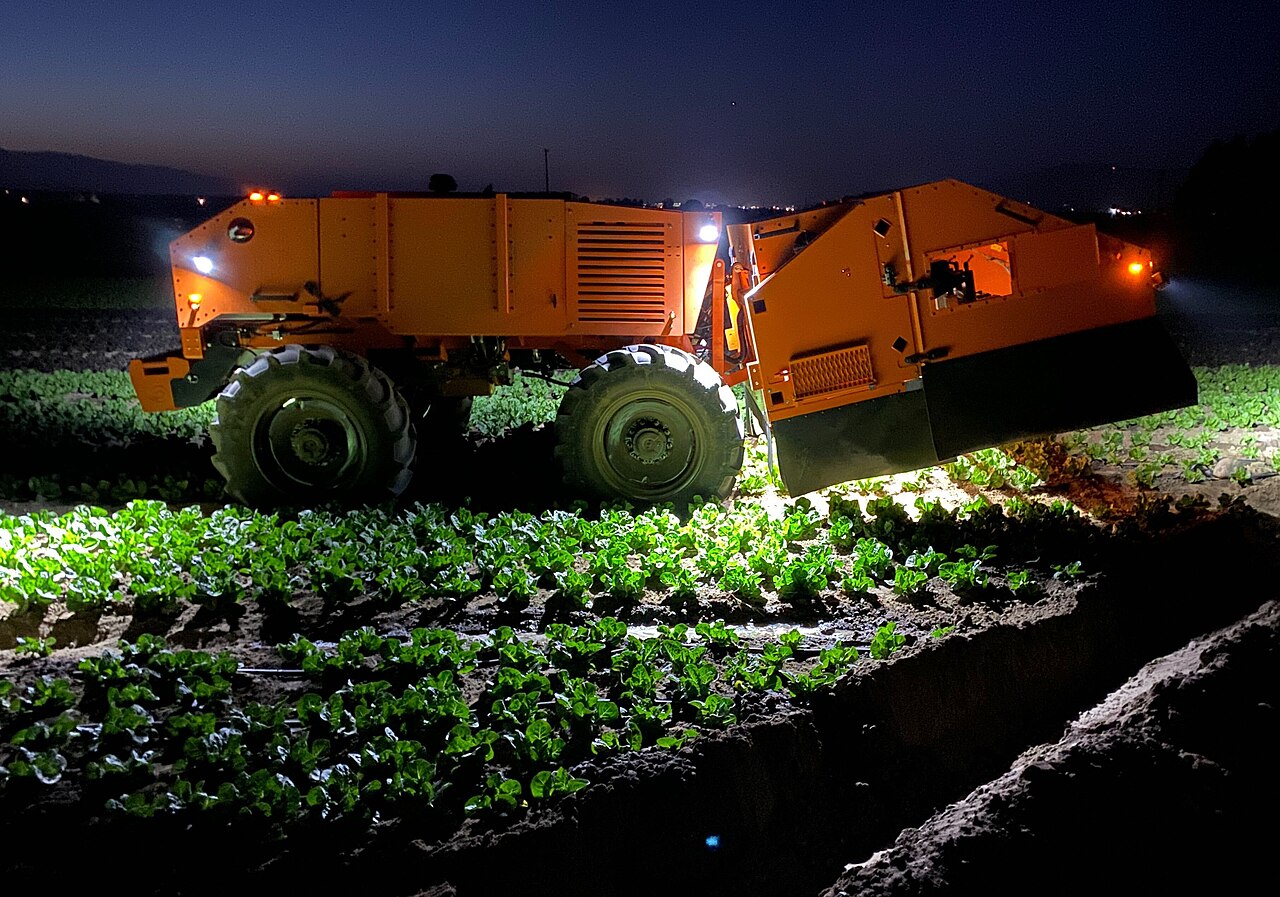
Crop robotics remains a busy corner of farm innovation, with new entrants for planting, weeding, scouting and spraying, and big machinery makers from John Deere to AGCO putting technology at the centre of their growth plans, AgNavigator reported. The picture comes from the 2026 crop robotics landscape of consulting firm The Mixing Bowl, published every two years since 2022.
The 2026 edition features 400 companies worldwide, 25% more than in 2024, and 36% of them are new to the landscape; 20% of the companies left the market between 2024 and 2026. European companies make up half the total and the US 18%. California is home to 40% of US crop robotics firms. The landscape sorts companies by technology, such as navigation and autonomy, harvesting and smart spraying, and by crop type: permanent, specialty, row and indoor.
Adoption depends heavily on the technology, said Michael Rose, a partner at Better Food Ventures who contributes to the robotics landscape. Navigation and autonomy are the most widely deployed; the report also notes growth in spraying technology and a strong pipeline of robotic platforms and carriers. "You look at navigation technology in tractors and combines for row crops, it's been there a long time and fully deployed, fully commercialized, and broad adoption," Rose said.
He expects the future to be a hybrid of automated systems and manual work rather than fully automated, people-free farms. He also said start-ups need to be close to the farmers they serve: "You can't sit in Silicon Valley and spin up a company and then sell it to the market."
Venture funding held steady, with companies on the landscape raising $600 million over the two years. Rose described the drop from the peak of the agtech hype cycle as a normal sign of a maturing market, in which early-stage venture money moves on. "The question is how many more companies do you need to address the space?" he said.
Photo: PaulineCant / Wikimedia Commons (CC BY-SA 4.0)
Source: AgNavigator

Comments
(0)