
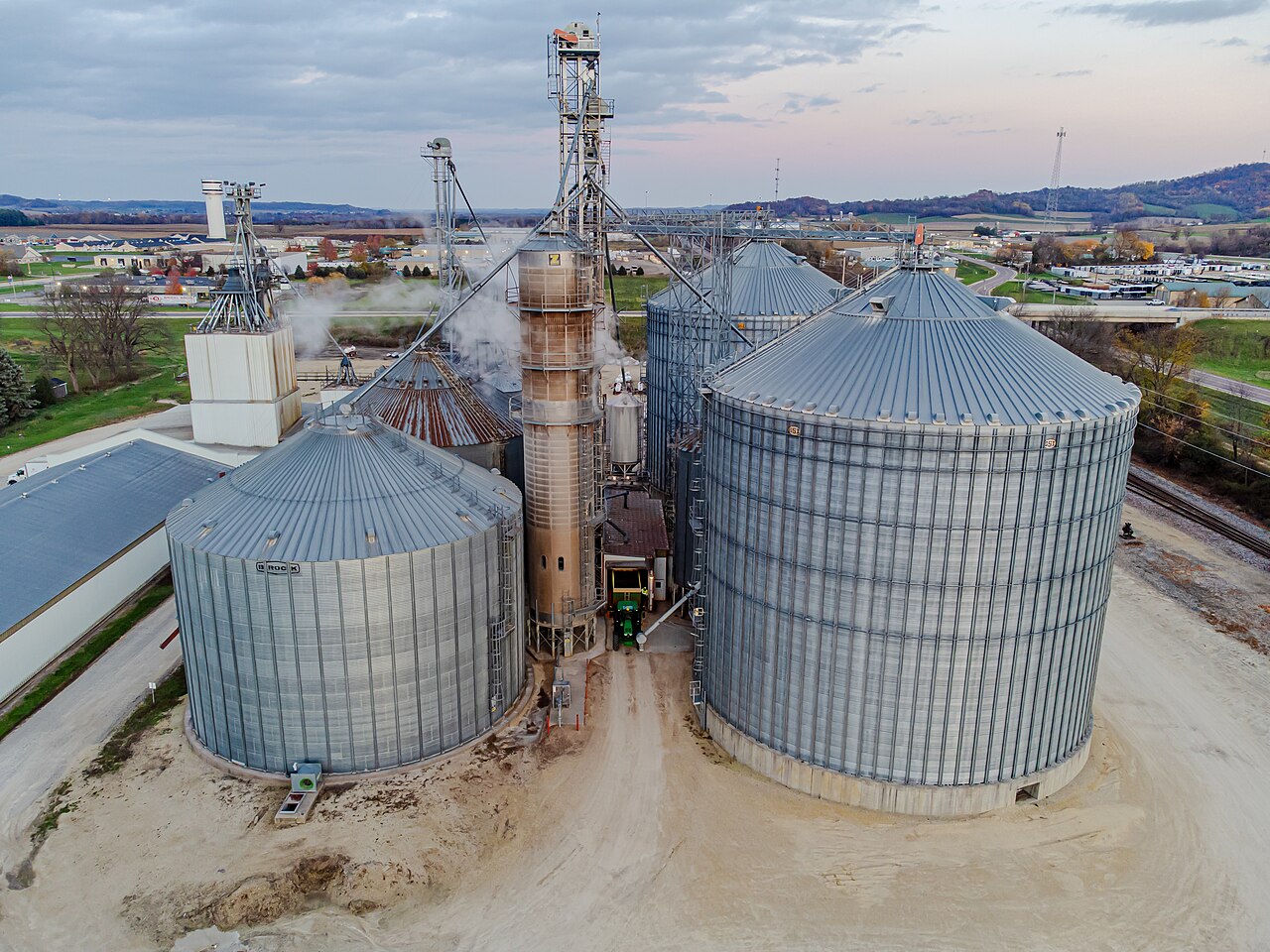
As harvest ends and farmers turn to planning the next crop year, a review of the grain system can show where to improve grain quality, efficiency and profit, Farms.com advised in a guide that drew on GSI grain conditioning specialist Randy Sheley. It sets out five areas to check.
Storage capacity comes first. Farmers should ask whether they had enough space for this year's harvest, since too little creates bottlenecks that slow work and reduce flexibility in marketing grain, and whether more acres or higher yields will need more. Bins should sit where there is good transport access, available utilities and room to expand.
Drying capacity is the second. Weather and yields can put heavy demands on dryers, so producers should check whether their systems met this year's needs and can support growth, and choose the dryer type to suit: larger storage systems often benefit from higher-capacity drying equipment. Third is handling: dump pits, elevators and conveyors can become bottlenecks in a high-yield year, and reviewing how they performed shows whether faster or larger equipment would cut delays.
Fourth is technology. Modern monitoring systems let producers track grain conditions remotely, measuring temperature, moisture and inventory while automating fans and ventilation, and some can detect conditions that raise the risk of spoilage. Better dryer controls can also avoid unnecessary drying, protecting quality.
Fifth, and a top priority, is safety. Post-harvest maintenance is a good time to upgrade bins, ladders, walkways and handling equipment to prevent falls, entrapment and mechanical injuries. One of the most valuable improvements is cutting the need for workers to enter bins at all: good conditioning and monitoring catch problems early and keep grain dry and stable. "Grain systems are among the best investments farmers can make to maximize grain quality and profitability," Sheley said.
Photo: Wikideas1 / Wikimedia Commons (CC0)
Source: Farms.com

Comments
(0)