
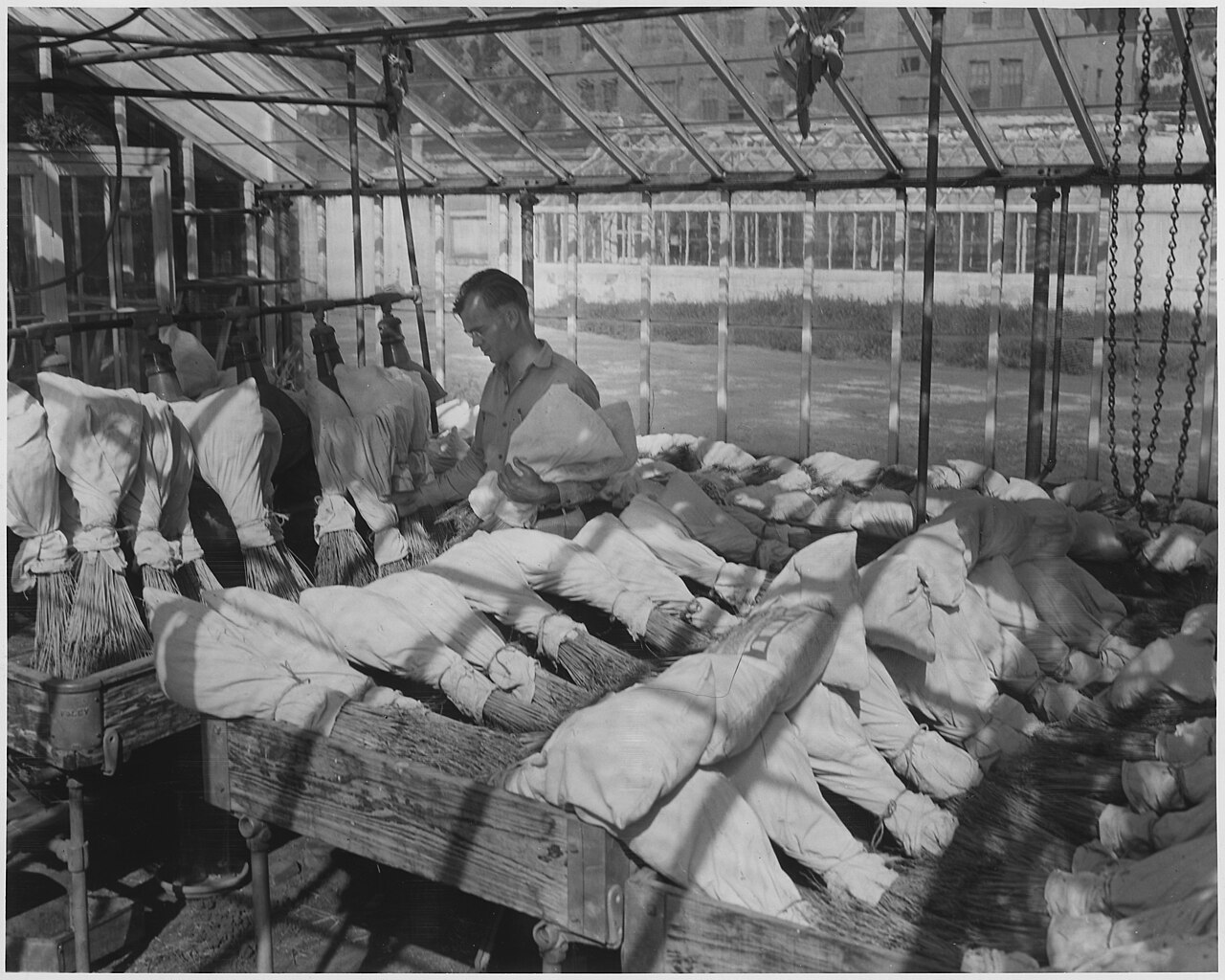
Crop breeding is neither slow nor outdated, and artificial intelligence will not replace the people who do it, CGIAR's Breeding for Tomorrow science programme says in a guide to eight common myths about how new crop varieties are made and reach farmers.
Crops do evolve naturally, but too slowly for a changing climate and a growing population, the guide says. Breeders speed the old process up: they find plants with useful traits such as higher yield, better taste or quality, cross them, and test successive generations until the best combination is fixed in a new variety.
Developing a variety is teamwork. Breeders work with pathologists, geneticists and behavioural scientists, and with farmers, universities, governments and companies. At CGIAR, breeding teams work with National Agricultural Research and Extension Systems (NARES), which bring knowledge of local conditions and of what farmers, processors and consumers need.
Yield is not the only goal. Farmers may need earlier maturity or tolerance of drought, heat, pests and disease, consumers value taste, cooking quality and nutrition, and millers have their own requirements. Because no single variety suits everyone, CGIAR defines market segments and target product profiles with its partners. And a variety in a breeding station feeds no one until it has been tested in trial plots and farmers' fields, approved by national authorities, multiplied as quality seed and adopted.
Climate change, the guide notes, affects more than yield: heat, drought, floods and shifting pests change planting dates, growth, nutritional quality and maturity. CGIAR breeders are therefore combining traits such as heat tolerance, drought resilience, disease resistance, nutrition and shorter growth cycles.
On technology, the guide says genomic selection, speed breeding and digital tools, including drones and digital imaging to assess plants in the field, let breeders evaluate more material, decide earlier and shorten the time needed for a new variety. AI helps manage and interpret large genomic datasets and drone images to pick out the most resilient plants, but it is useful only inside working breeding programmes that answer real needs, with breeders and farmers kept at the centre.
Photo: Unknown author, U.S. National Archives / Wikimedia Commons (Public domain)
Source: CGIAR

Comments
(0)