
World food commodity prices rose again in September, pushed up mainly by transport disruptions and weather worries that tightened supplies, the Food and Agriculture Organization of the United Nations (FAO) said on Friday. Its Food Price Index averaged 136.0 points, 1.5 percent higher than in August and 5.8 percent above September last year.
"We are seeing a persistent and increasingly broad based build up in global commodity prices, as disruptions in the Strait of Hormuz and the Black Sea combine with climate shocks," said FAO Chief Economist Maximo Torero. If the pressures last, he said, they will soon reach consumer food prices, especially in countries that depend on imported food and energy.
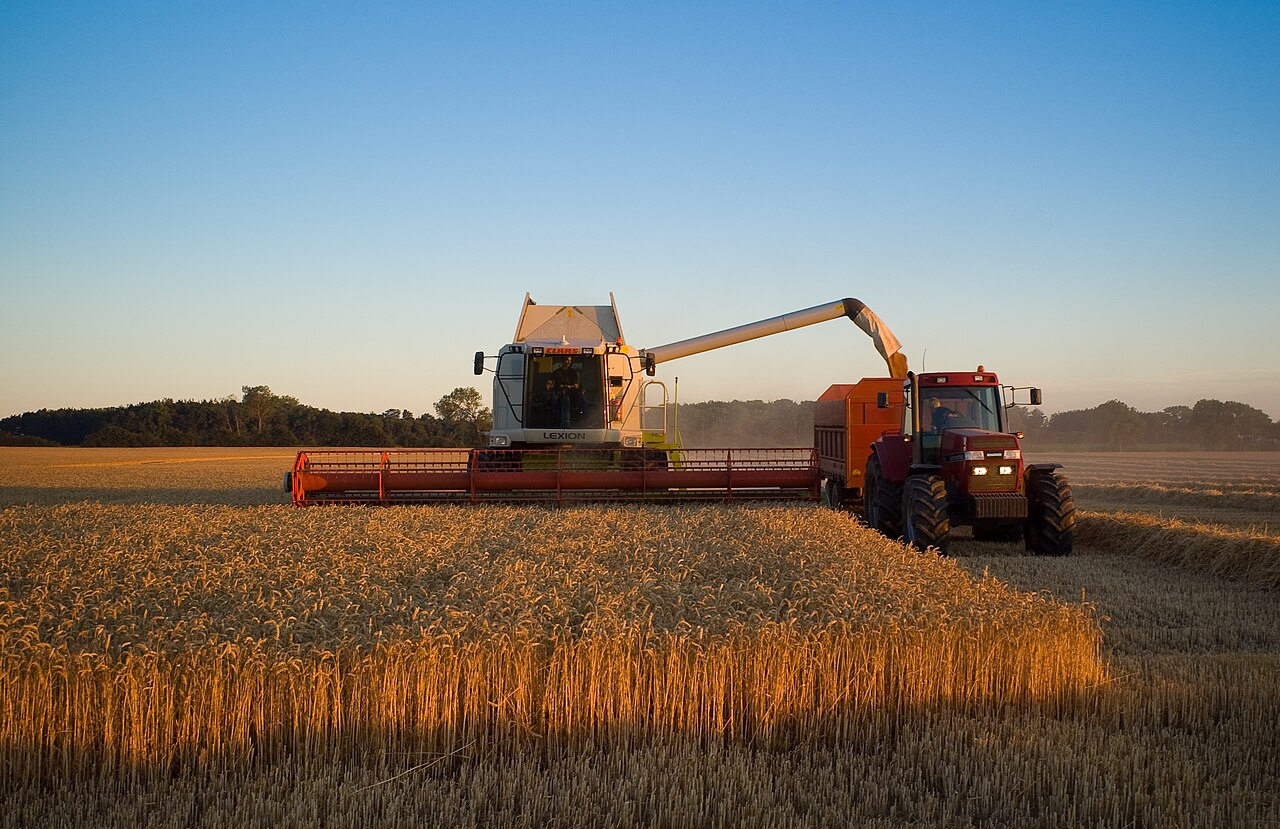
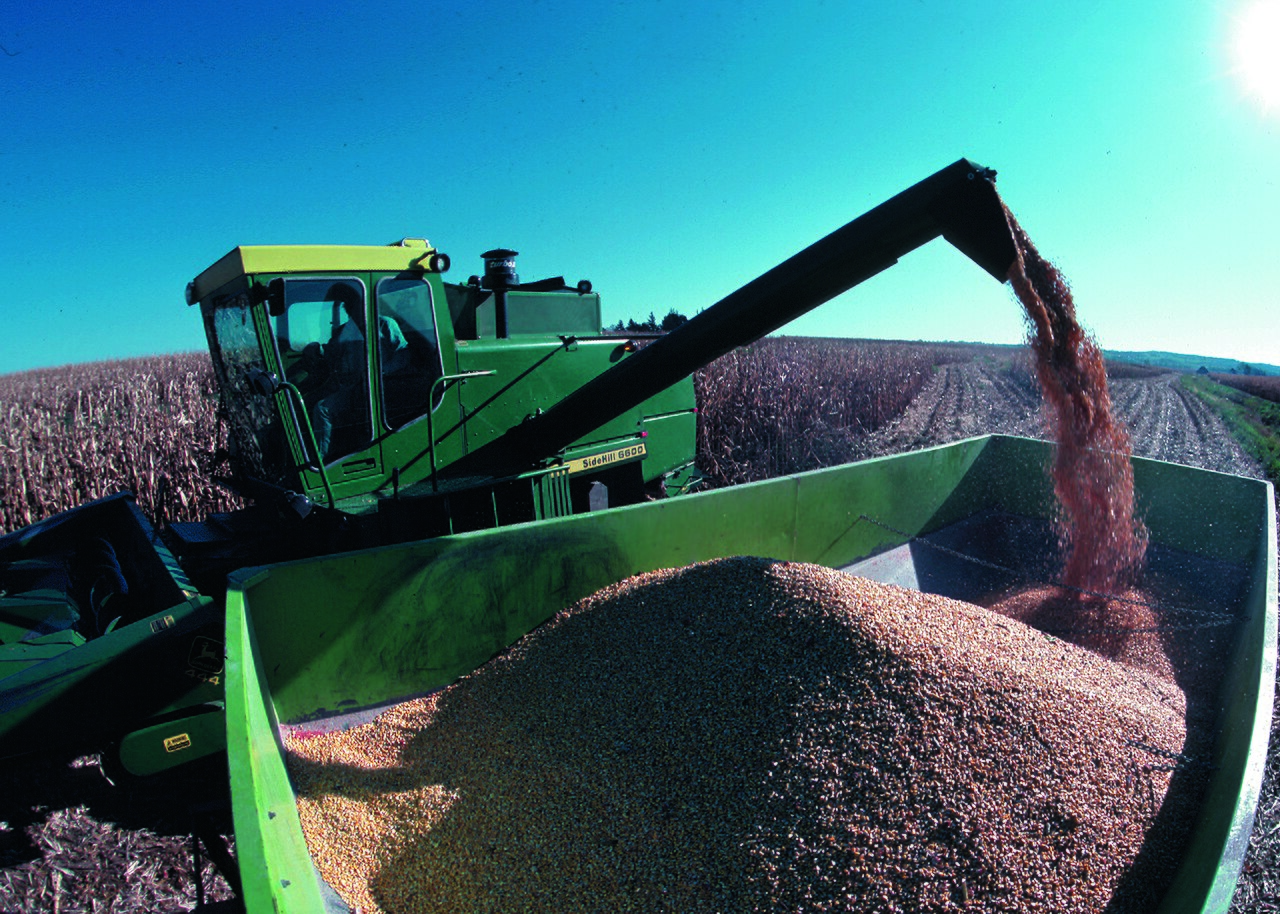
Cereals led the rise. The FAO Cereal Price Index gained 5.1 percent in the month and stood 17.2 percent above its level of a year earlier. Wheat prices rose 6.3 percent on logistical problems in the Black Sea region and dry weather in parts of North America ahead of sowing, and maize rose 5.6 percent on yield concerns in the United States, smaller export supplies from Brazil and disrupted Black Sea trade. Uncertainty over shipping through the Strait of Hormuz also supported maize as a biofuel feedstock. The All Rice Price Index rose 1.4 percent as Indica quotations firmed on weather concerns and seasonally tighter supplies.
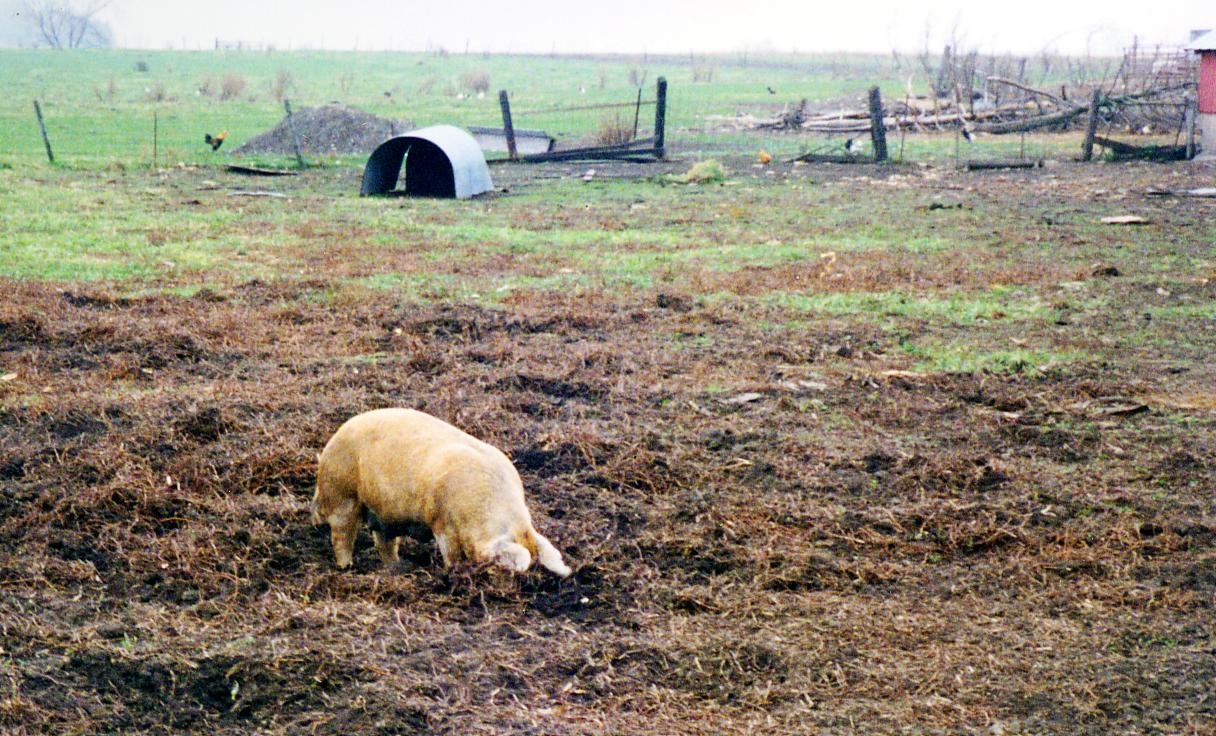
The Sugar Price Index jumped 6.1 percent on expectations of tighter supplies in the 2026/27 season, with lower expected output in Thailand, worries over India's crop after below-normal rainfall and a strengthening El Nino, heavy rains in Brazil's Centre-South and less sugar beet planted in the European Union. Vegetable oils rose 0.9 percent on firmer palm oil prices. Meat fell 1.1 percent as pig and poultry meat prices eased on ample export supplies, and dairy was almost flat, down 0.1 percent.
In a Cereal Supply and Demand Brief released the same day, FAO now expects world cereal production in 2026 to fall 2.1 percent from 2025 to 2,979 million tonnes, still the second-largest harvest on record. A higher wheat forecast of 813.9 million tonnes, helped by better weather in Australia, is more than offset by coarse grains, cut to 1,612 million tonnes on hot, dry weather in the European Union and the United States. World rice output is put at 552.5 million tonnes, as weaker prospects in India after poorly distributed monsoon rains outweigh better crops in Japan and Nepal.
FAO also expects world cereal trade to fall 3.5 percent from the 2025/26 record, to 505.8 million tonnes, with wheat and maize exports hit by constrained Black Sea shipping routes. Cereal stocks at the close of the 2027 seasons are forecast unchanged at 950 million tonnes, and the stocks-to-use ratio slips to 31.7 percent from 32.0 percent.
The Agricultural Market Information System (AMIS), hosted by FAO, said in its monthly Market Monitor that high freight rates, firmer fertilizer markets and continuing logistical problems are making markets more uncertain. Its feature on the strengthening El Nino notes that rice yields during an El Nino are typically 1.0 to 1.5 percent below trend worldwide, with South and Southeast Asia the region of most concern for rice, while wheat and maize yields are usually near normal and soybean yields often 1.5 to 2.0 percent above trend.
Photo: Larsz/Lars Plougmann / Wikimedia Commons (CC BY-SA 2.0)
Source: FAONewsRoom
Comments
(0)