
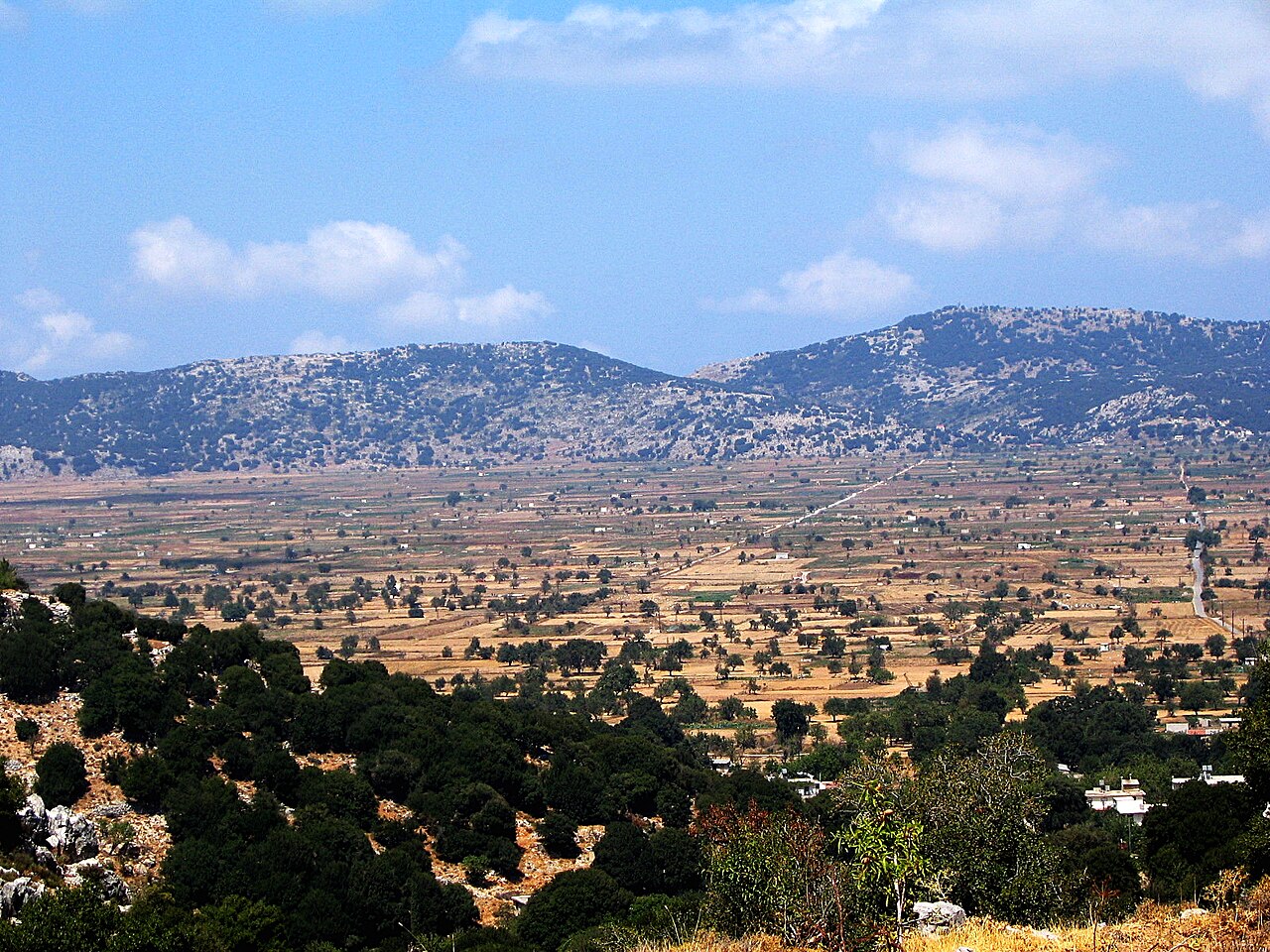
Farmers on the Lasithi Plateau in eastern Crete held a sit-in outside the local town hall on Sunday, 11 October, demanding compensation and emergency aid after floods buried much of their potato and vegetable land under water and mud. Growers estimate potato losses at 80 percent or more on a crop that was weeks from harvest, and vegetable crops down by about half.
Storms hit the highland basin, about 840 metres above sea level, from 1 to 4 October. The plateau received around 440 millimetres of rain in two days, said Thodoris Ninos, head of the Crete Development Organisation; over the four days the average was close to 470 millimetres, against a normal annual total of 700 to 900 millimetres. Earlier local reports put produce losses at about 3,000 tonnes, with close to 85 percent of the cultivated plain affected.
Farmers say they have also lost what they spent on field preparation, seed, fertiliser and labour. They are asking for full compensation, payouts from Greece's ELGA agricultural insurance, de minimis state aid, tax relief, repair of farm roads and irrigation works, and investment in flood prevention on the plateau.
The storm's toll went beyond Lasithi. An 80-year-old livestock farmer was found dead after going missing in floods near Karines, in the Rethymno region, and the fire service answered 485 calls across Crete in the first days. Greece activated the EU's Copernicus Emergency Management Service to map the damage, and a government delegation visited the affected areas.
What the protesters say is still missing is a firm commitment on compensation amounts and on when ELGA payments will reach growers. Crete's potatoes supply the Greek market and some early-season exports, and the loss will tighten regional vegetable supply this autumn.
Photo: Ingo Wölbern / Wikimedia Commons (public domain)
Source: Global Agriculture

Comments
(0)