
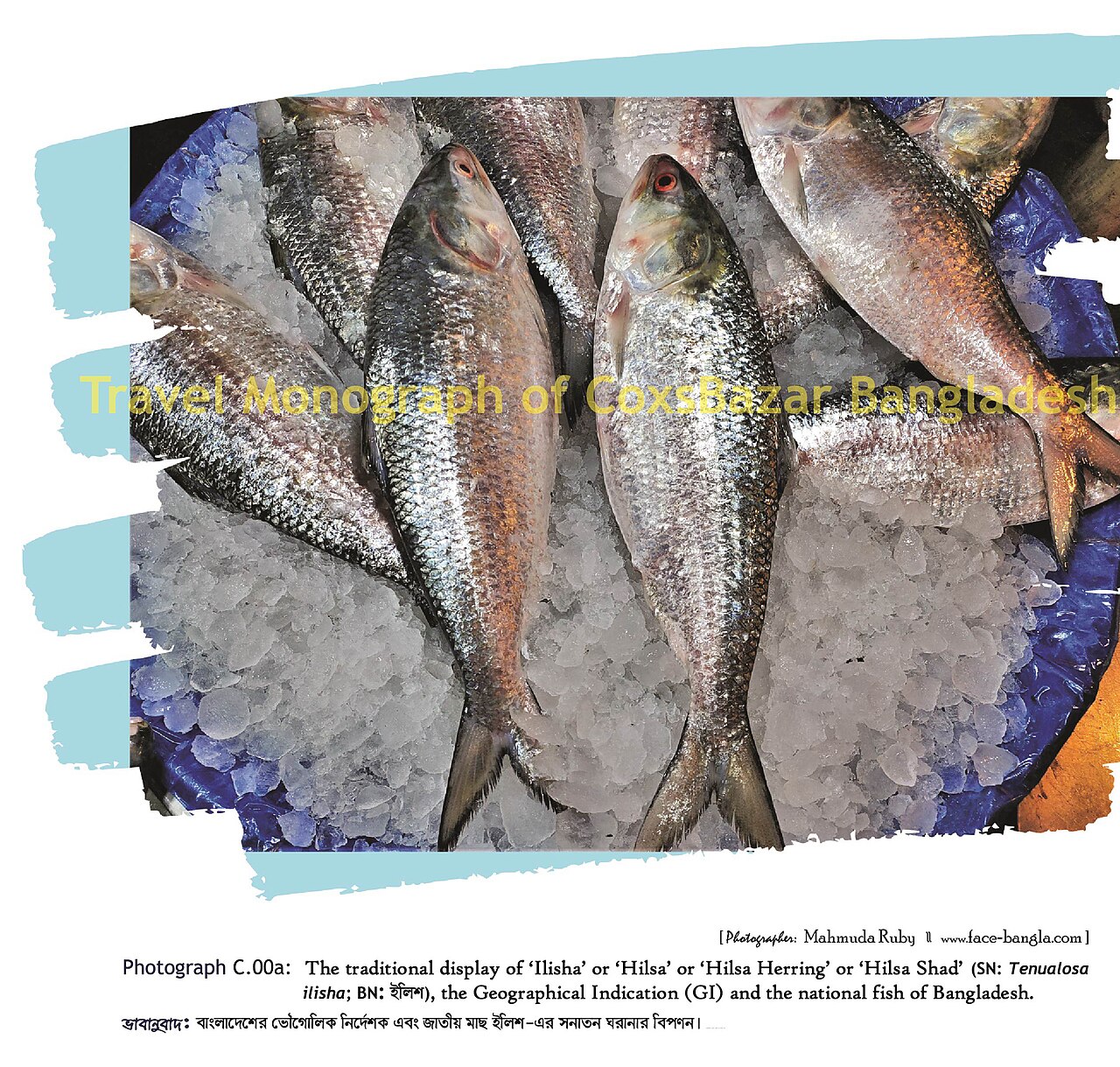
Hilsa production in Cox's Bazar fell by 1,131.741 tonnes in a single year, a drop of about 20.5 percent. According to the district fisheries office, the district produced 5,523.10 tonnes of hilsa in the 2024-25 fiscal year and 4,391.359 tonnes in 2025-26.
The fisheries office says no single cause explains the fall. Climate change is altering water temperature, salinity, rainfall and flow; rivers and canals are losing depth, coastal channels are narrowing, and too many fish are being caught. Together these are affecting where hilsa move and how they breed.
District fisheries officer Md. Nazmul Huda said the ripening of the fish's reproductive organs is linked to water temperature, dissolved oxygen, pH, salinity and rainfall, and abnormal changes in these can shift the timing, place and success of spawning. When rivers and channels grow shallow, he said, the fish's run upstream from the sea is obstructed; many rivers and canals in Cox's Bazar are narrower and shallower than before, and silt has made some estuaries shallower too.
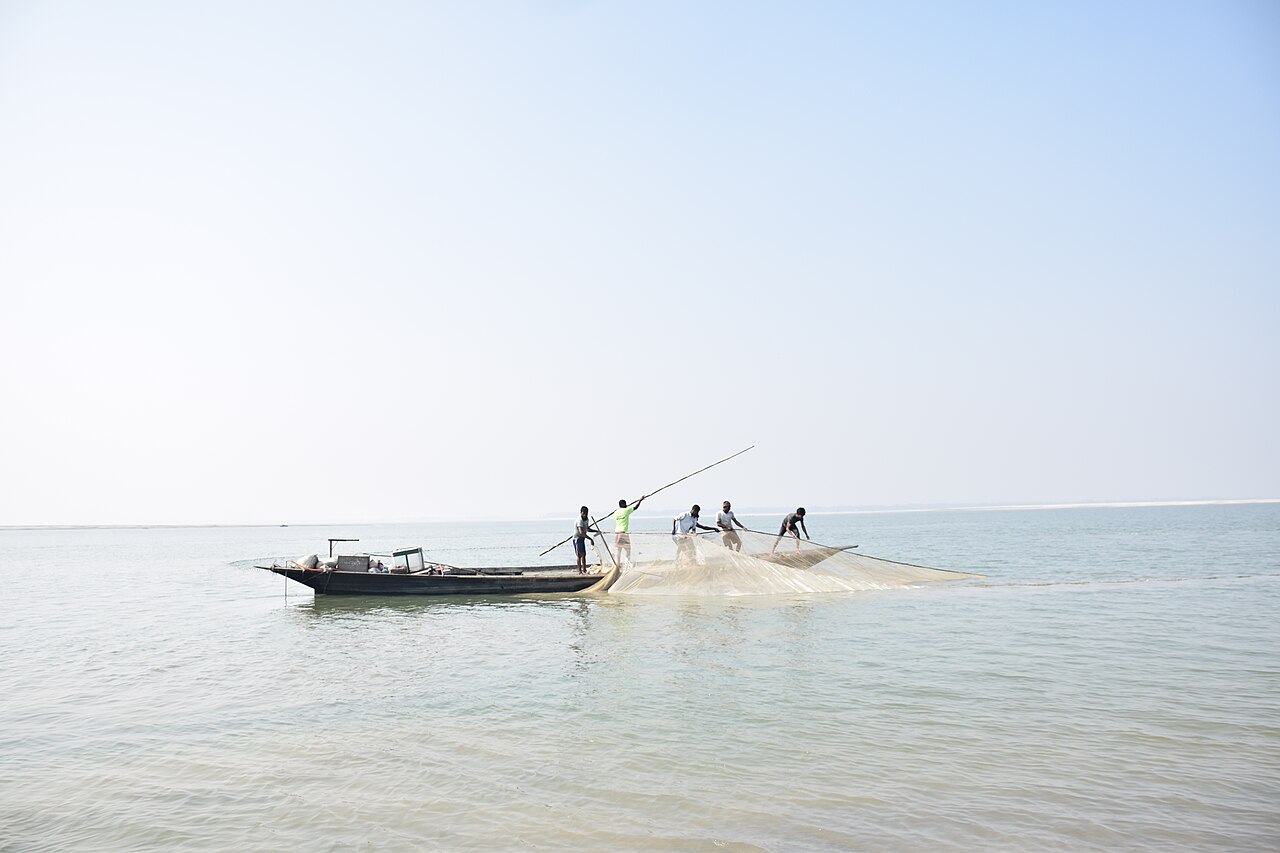
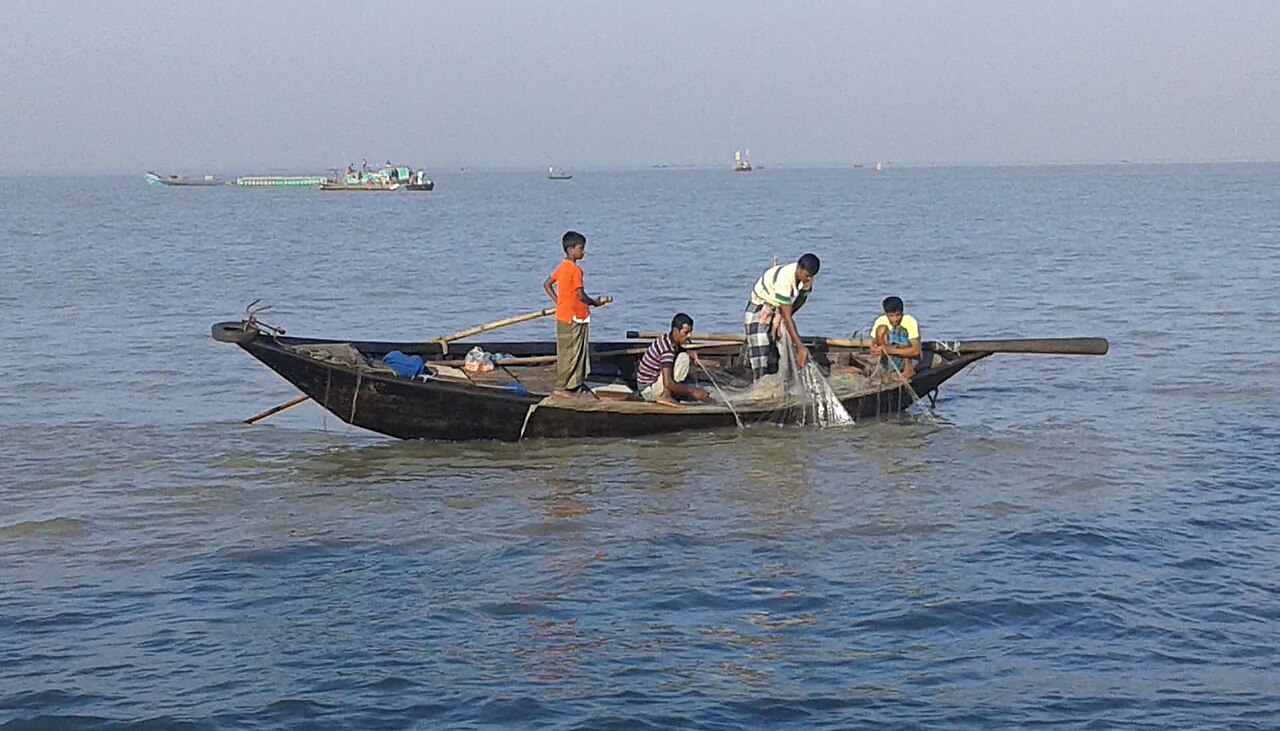
Fishing pressure adds to it. About 5,250 fishing trawlers are registered in the district. Huda said catching mother hilsa in the breeding season cuts spawning, and indiscriminate catching of jatka, the juvenile fish, reduces the stock of future breeders. Climate change alone should not be blamed, he said: banned nets, silting and habitat change all have to be considered.
Coastal fishermen describe less certain incomes. Nurul Karim, a fisherman at Inani in Ukhiya's Jaliapalong union, said they stop fishing during bans despite the hardship, yet often find fewer fish at sea than before. Saiful Amin of Nuniarchhara in Cox's Bazar town said they now check the weather forecast before going out, rough weather has become more frequent, and it is no longer certain where the fish will be.
A nationwide 22-day ban on hilsa fishing, transport, storage, marketing and sale runs from 8 to 29 October to let mother hilsa spawn. Fisheries officials say a mature female can lay 1.5 to 2 million eggs on average. Huda said enforcement must go together with protecting breeding grounds and habitats, research, and alternative work and support for fishermen during the ban.
The report is by RisingBD, carried by Agricare24.
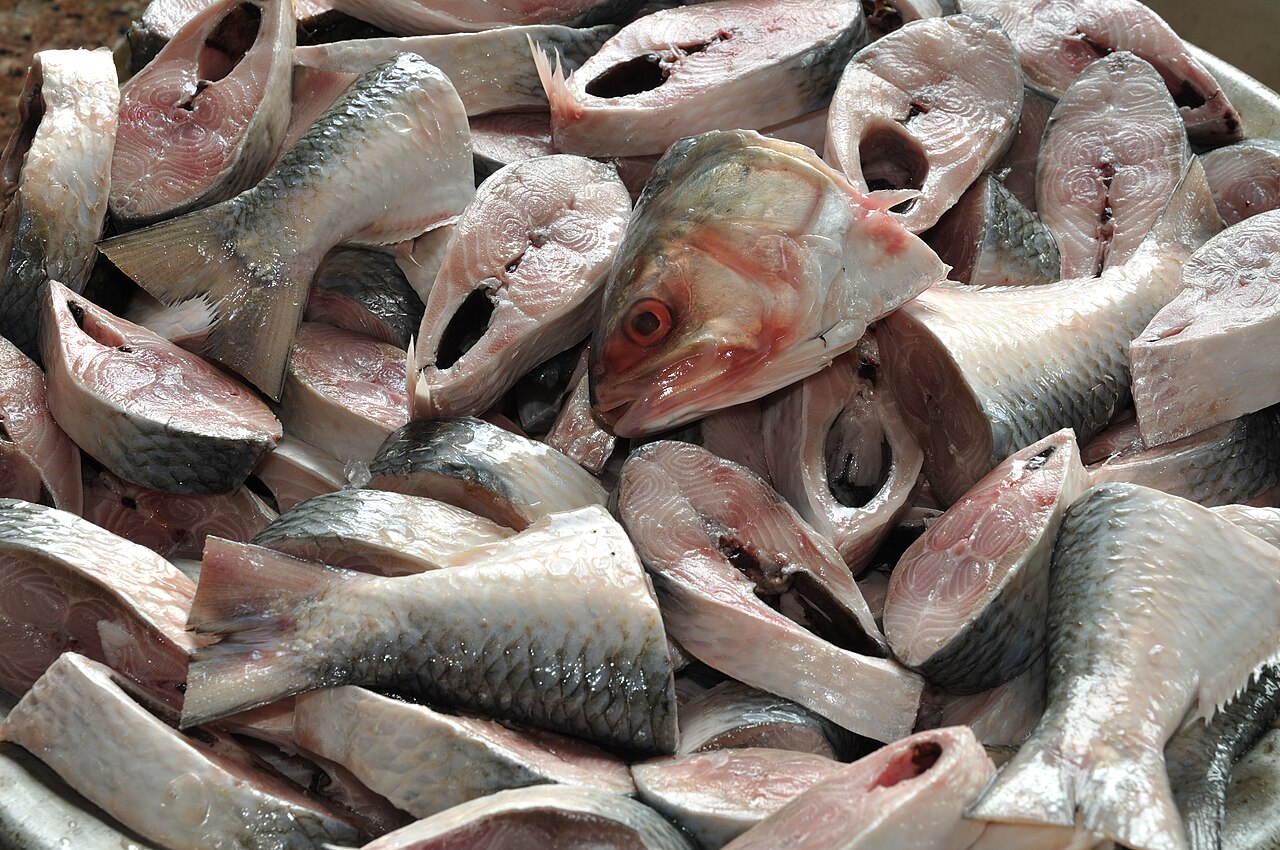
Photo: RatulAsian / Wikimedia Commons (CC BY-SA 4.0)
Source: Agricare24
Comments
(0)