
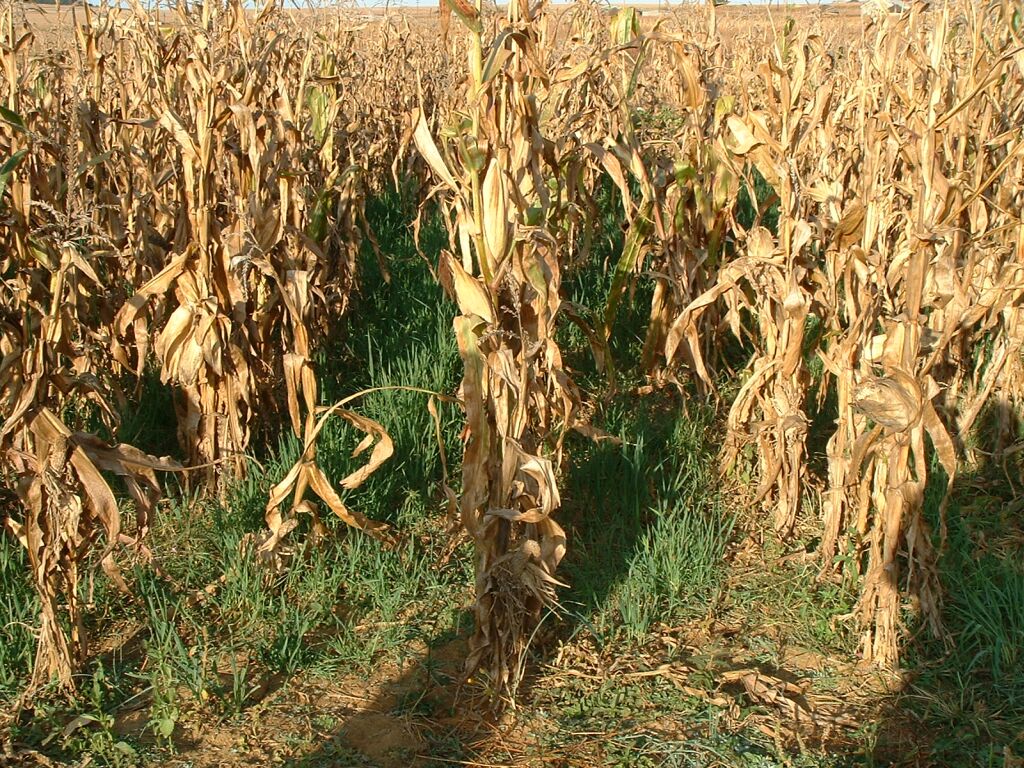
Balanced soil and plant nutrition, rather than heavy fertiliser rates, came through as the central message of this year's Conservation Agriculture Research Forum, a two-day meeting of researchers, farmers and students at North-West University's Pienaarskamp research farm near Potchefstroom, South Africa, reports Jedrie Harmse for Farmer's Weekly.
The forum is co-hosted by North-West University, ASSET Research and the Agricultural Research Council, and reports on conservation and regenerative agriculture research funded mainly by the Maize Trust.
The first day was given to the Diagnosis and Recommendation Integrated System (DRiS), a data-driven method that analyses the chemical make-up of a plant and its soil together. "By the time a plant displays physical symptoms, it may already be too late to implement cost-effective corrective action," said Charles le Roux, DRiS's commercial director. He argued that many fertiliser programmes aim for nutrient levels so high that one nutrient blocks the uptake of another, so that part of the expensive input is wasted. DRiS has built a cloud platform where farmers upload standard laboratory reports and get back a simple diagnosis of what is limiting their crop.
ASSET Research now analyses soil health in all its trials with the method. In the 2025/26 season it sampled eight on-farm trials in the eastern and western summer grain regions and commercial grain farms in Mpumalanga, the Free State and North West. Le Roux said the cleaned data so far cover three provinces, 15 areas and 34 localities, about 200 complete composite samples.
Cobus van Coller, a grain and livestock farmer from Viljoenskroon and chair of the forum, stressed that conservation agriculture is not the same as no-till. It combines crop rotation, keeping the soil covered with residues or cover crops and integrating livestock, and no-till may not suit every environment. He has run trials on his own farm since 2006, at his own cost, and bought a separate tractor, planter and sprayer so that the work does not disrupt his production fields.
His advice to other farmers is to test practices on their own land rather than copy a neighbour, because soils differ even within one district. "Neglected soil is unlikely to deliver good yields or retain its value," he said.
Photo: Alan Manson / Wikimedia Commons (CC BY-SA 3.0)
Source: Farmers Weekly South Africa

Comments
(0)