
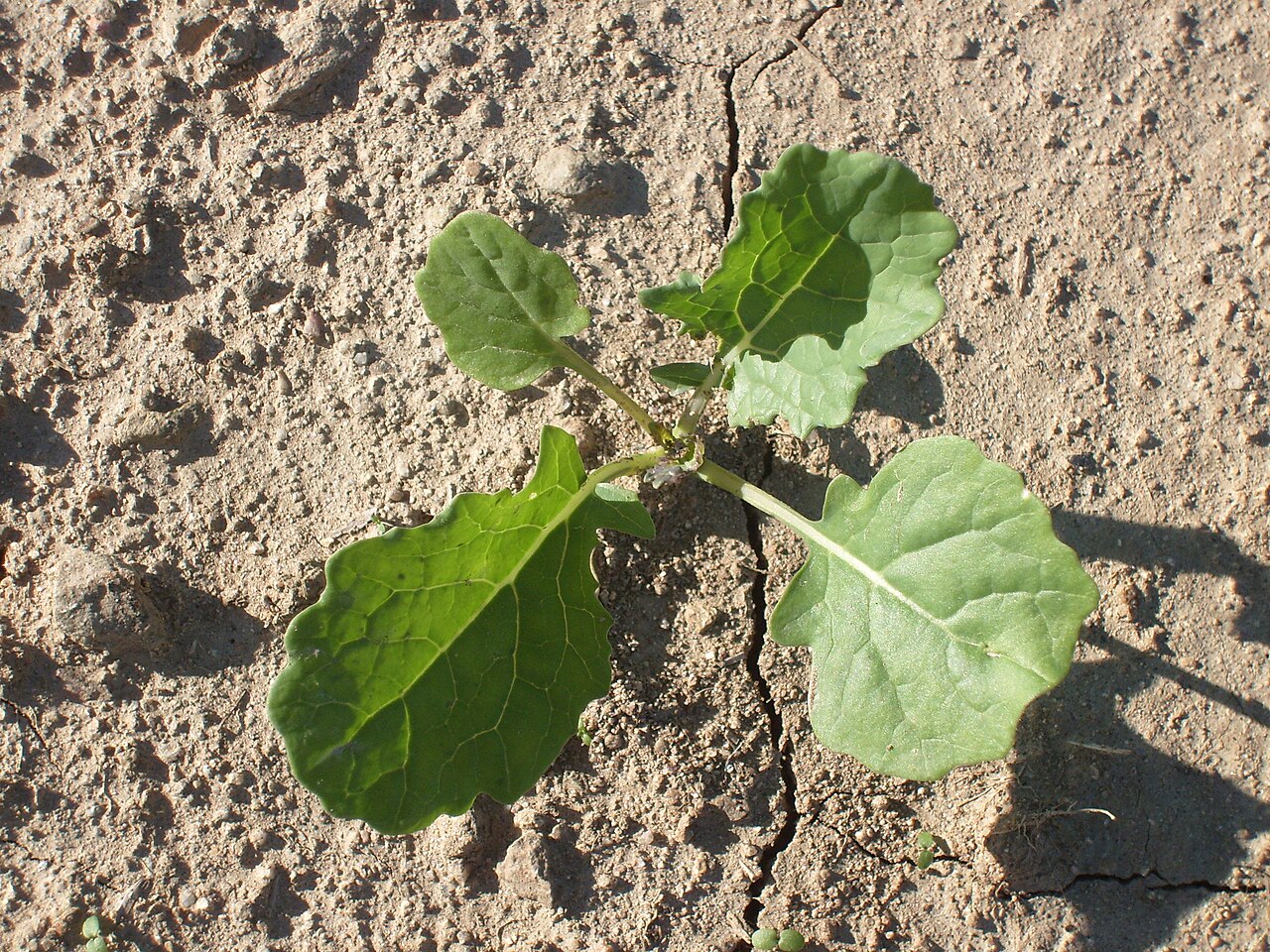
Halfway through October the heavy autumn rain forecasters promised has still not arrived in much of the UK, and agronomists writing in Farmers Weekly's Crop Watch describe patchy wheat emergence, struggling oilseed rape and pests taking advantage of the warmth.
In the east there has been no meaningful rain, says Alice Whitehead of Agrovista (Kent, Essex, Suffolk). Herb and salad growers are still irrigating in October, which is "unheard of", and propyzamide in oilseed rape will have to wait well into November until soils cool. Slugs caught many growers out, she says, after a dry summer led them to expect low numbers; the worst damage came in cloddy seed-beds or under heavy straw.
In the South West, Jamie Armstrong of AICC and Wessex Agronomy reports some areas had as little as 5mm of rain between mid-June and a few weeks ago, and a number of rapeseed crops have been written off through lack of moisture and cabbage stem flea beetle. Winter barley went in well, but aphids and gout fly eggs are easy to find, and insecticides are going on where fields have reached the threshold for barley yellow dwarf virus risk. About 90% of his wheat has emerged.
In Northumberland, Conor Campbell of Hutchinsons says the past six weeks were so dry he saw a medium soil blow away. Seed in cloddy beds did not chit for up to a month until recent showers, and rapeseed sown after the first week of August struggled under slugs and flea beetle, though more has survived than he expected.
For winter beans the advice is to get a pre-emergence herbicide stack on before quick emergence closes the window, because post-emergence options are very limited. Whitehead recommends aclonifen, clomazone and propyzamide even in dry conditions, or delaying drilling and raising seed rates.
Photo: Reaperman / Wikimedia Commons (CC BY-SA 3.0)
Source: Farmers Weekly

Comments
(0)