
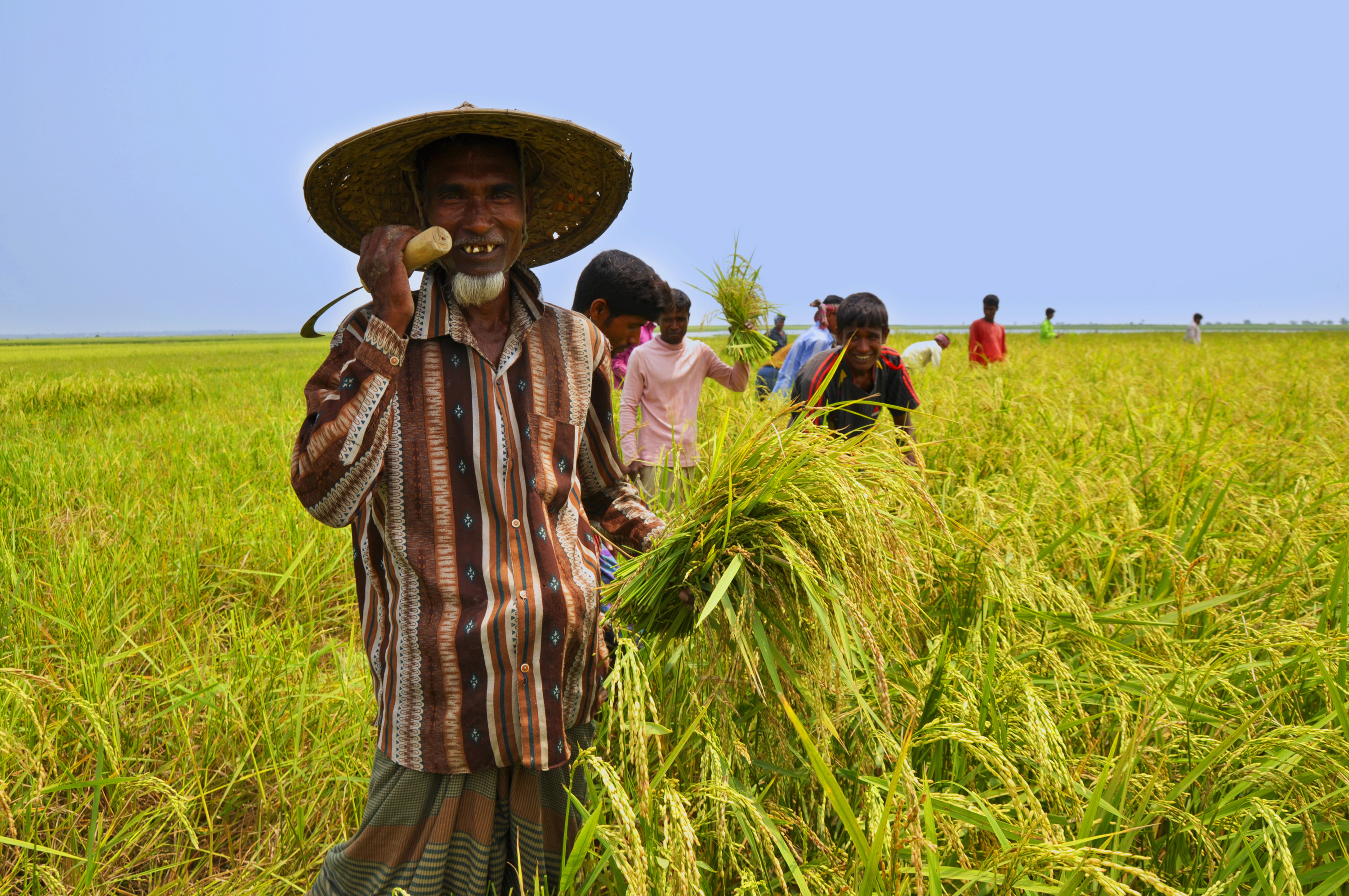
In the first week of May 2025, at the height of the Boro rice harvest, farmers in Mymensingh district alleged that combine harvester owners were demanding roughly twice the officially set rate. Jagonews24 reported on 8 May that machines were hard to get and labourers scarce, so many farmers were cutting their rice themselves with their wives and children.
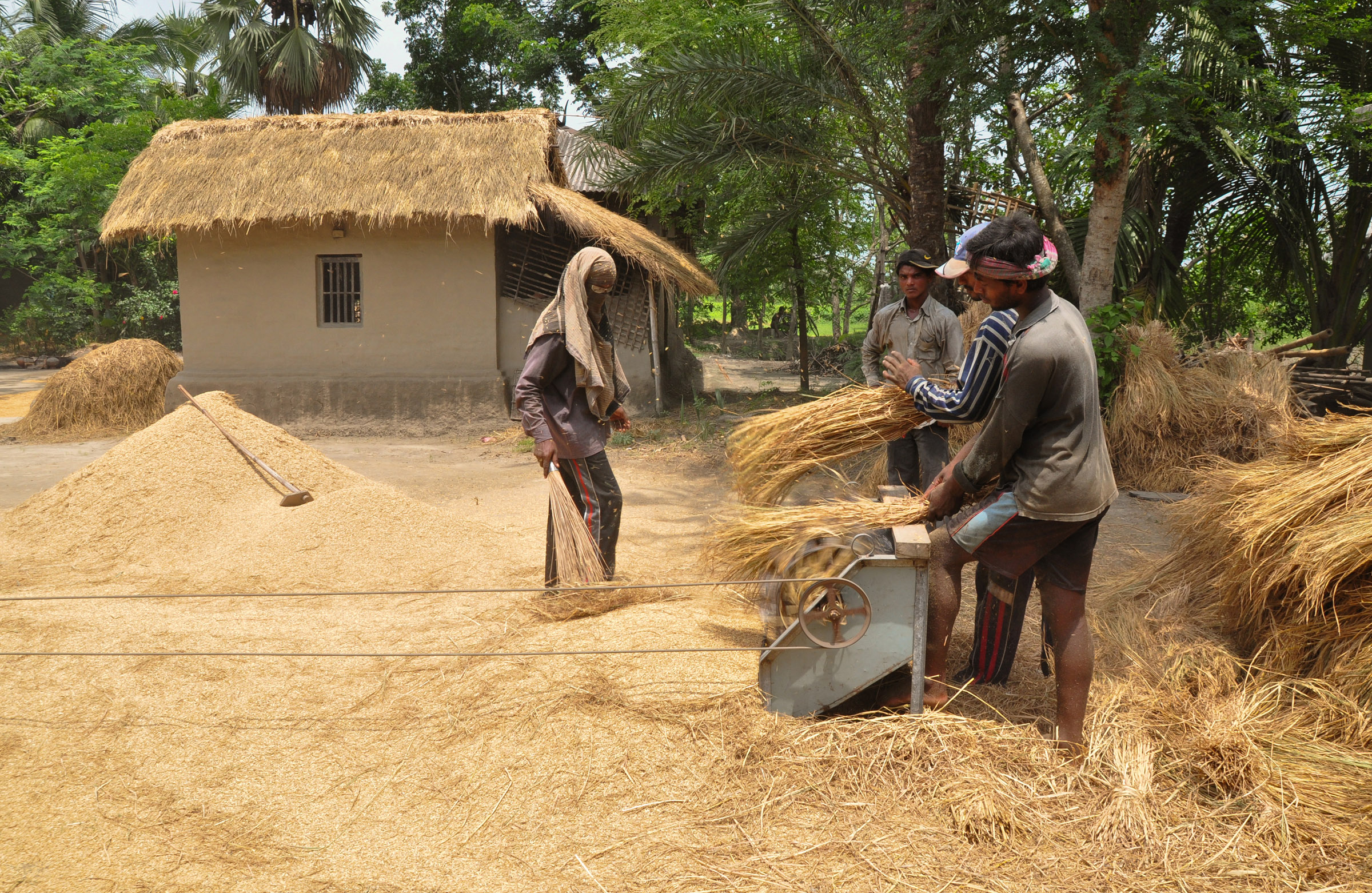
Habibur Rahman and his wife Nurunnahar, of Alalpur village in Char Ishwardia union, Mymensingh Sadar upazila, were one such family. Habibur owns only 30 decimals of land and supports the household by farming it and by day labour. The couple said harvester owners asked for extra money and, even when they agreed to pay it, put them at the end of a long queue. The few labourers available would not work for less than Tk 1,000 a day, so the couple were cutting the rice in the hot sun and threshing it at home.
A Tk 540 rate, and claims of double charging
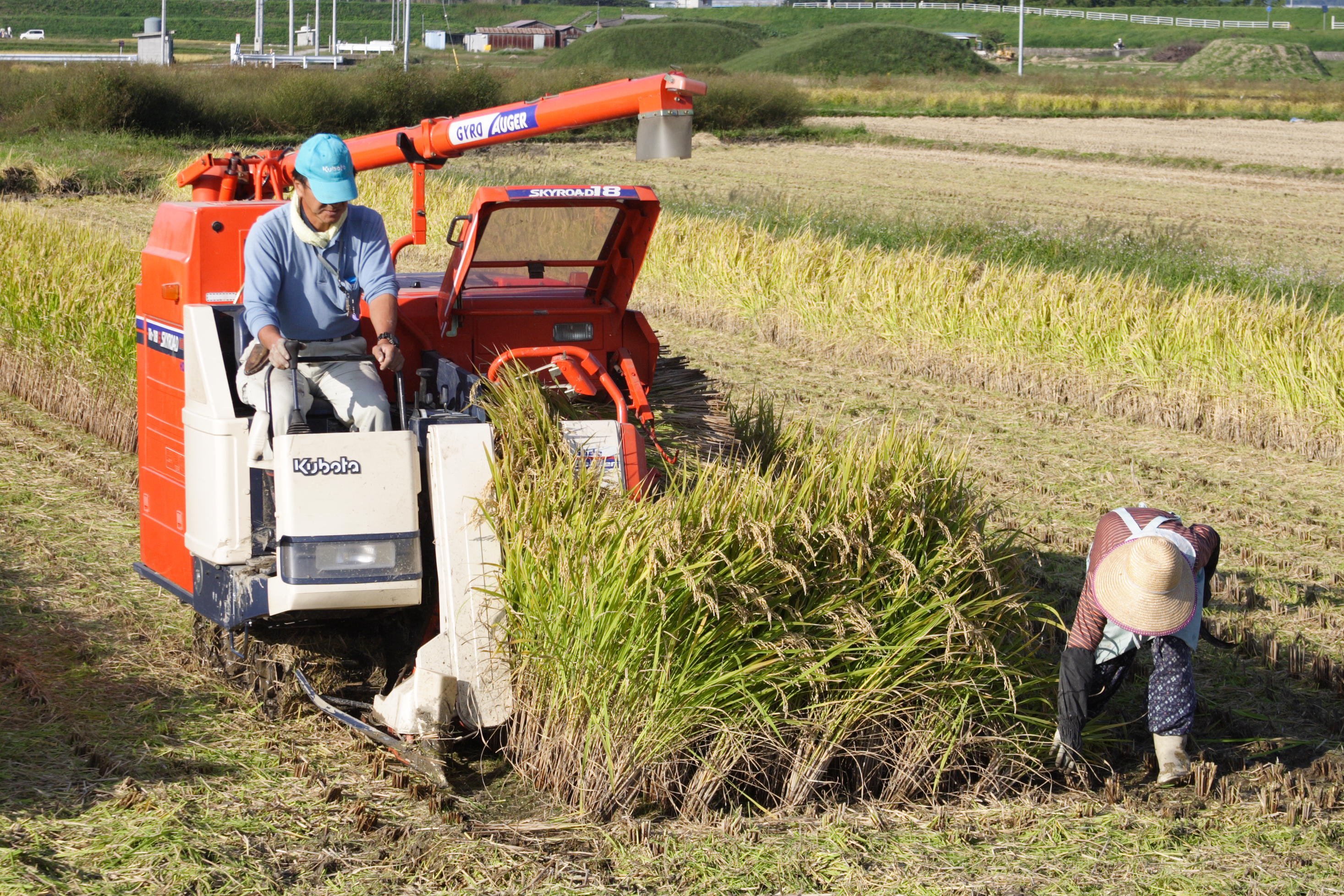
A combine harvester is a machine that joins the separate jobs of reaping, threshing and winnowing a crop into a single operation.
Farmers said pesticides, fertiliser and wages had cost more that season. Most of the Boro crop was ripe, and a sudden storm could cause heavy losses, so cutting it fast had become urgent. According to the farmers, harvester owners were asking Tk 1,000 to Tk 1,200 to cut 10 decimals and refused to work for less.
"All the rice in my field is ripe," Habibur Rahman told Jagonews24. "For every 10 decimals the harvester owners are asking Tk 1,000 to 1,200. Even if we agree to pay what they set, we cannot get a place in the queue."
Dr. Nasrin Akter Banu, deputy director of the Department of Agricultural Extension (DAE) in Mymensingh, told Jagonews24 that harvester owners could not charge more than Tk 540 to cut 10 decimals. Citing official sources, the report put the ceiling at Tk 5,400 per acre (100 decimals). She said appropriate action would be taken if there was proof that farmers were being harassed with overcharging. The report carried no response from harvester owners to the allegations.
Boro acreage and machines in the district
Boro is Bangladesh's dry-season rice. It is planted from around October and November and harvested from April to June, and because little rain falls in that season it depends heavily on irrigation.
Figures from the local agriculture office showed Boro on 263,485 hectares in Mymensingh the year before. For 2025 the target was 263,730 hectares, and 263,752 hectares were planted. By the time of the report, 38 percent of the crop had been cut. The district had 294 harvesters, about 30 of them out of order; all 16 in Mymensingh Sadar were working.
Mymensingh district, in Mymensingh division, covers 4,363.48 square kilometres and has 13 upazilas. The Old Brahmaputra river flows past the district town.

Complaints of extra paddy taken per maund
Farmers also complained about paddy traders, who they said paid unfair prices and kept 2 to 3 kg of paddy extra for every maund bought. In Bangladesh a maund is 40 kg. Alamgir Hossain, a farmer from Khalpar in the same union, said traders took three kg extra per maund even though the paddy was dry, and would not buy without it.
Abdul Mannan, president of the Shambhuganj Paddy Traders Association in Mymensingh city, said traders were forcing farmers to hand over extra paddy, which he called an injustice. He said all traders in the market had been told to stop, but they were not listening, and that mobile court drives were needed to protect farmers.
The DAE deputy director said she did not know whether traders were taking extra paddy and would bring the matter to the district administration or the Directorate of National Consumer Rights Protection. Rina Begum, the directorate's deputy director for Mymensingh division, said farmers must not be cheated with extra paddy, but the office had no scales for measuring paddy at the time. She said senior officials would be informed and market drives would follow once the office had the equipment.
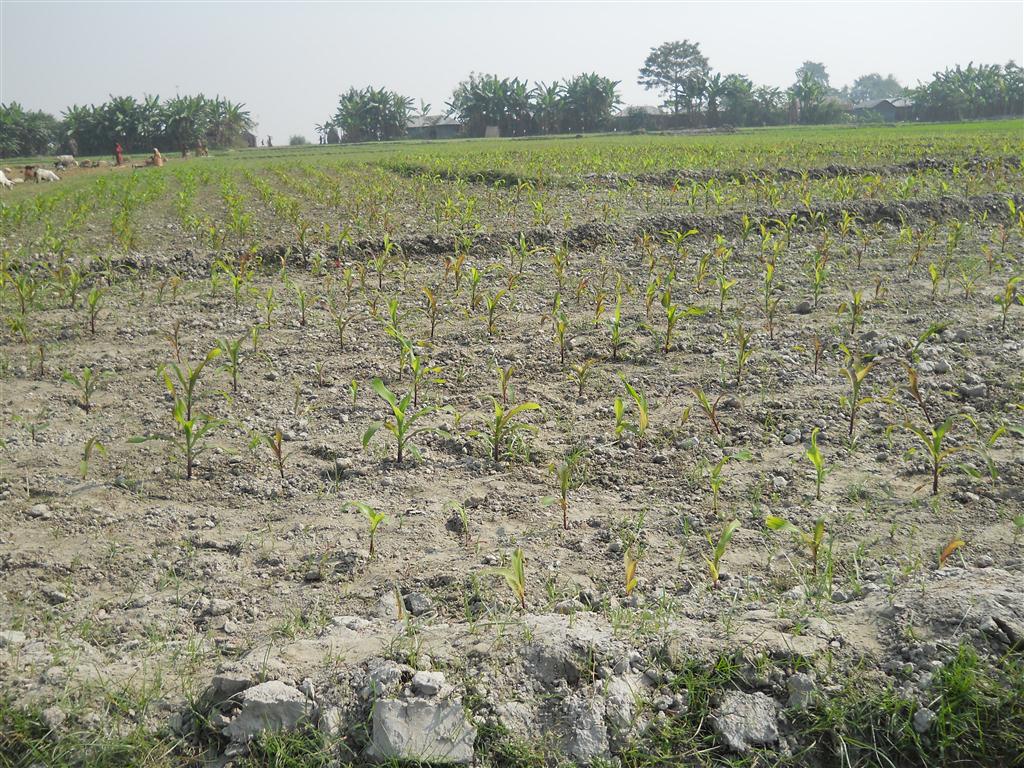
Photo: Balaram Mahalder / Wikimedia Commons (CC BY-SA 3.0)
Sources: Jagonews24, Wikipedia (Mymensingh District, Combine harvester, Maund, Boro rice)
Comments
(0)