
Thirty-three wheat and maize breeders from India's national agricultural research system, including ICAR institutes and state agricultural universities, as well as CIMMYT and the Borlaug Institute for South Asia (BISA), have taken part in a training workshop on AI-driven crop breeding and data management run by CIMMYT-BISA in Hyderabad.
Asked whether artificial intelligence could replace plant breeders, workshop convener BM Prasanna, a CIMMYT distinguished scientist, its regional director for Asia and managing director of BISA, answered no. "It will, however, transform crop breeding in the near future," he said, describing AI's value as helping breeders make faster, better-informed decisions from complex data. He called the training the first of its kind in India.
Breeders now work with growing volumes of genomic, phenotypic, environmental and management data while climates and growing conditions change quickly. The workshop placed AI inside the breeding cycle rather than treating it as a separate tool: from experimental design and field data collection through phenotyping, data management, genomics and analysis to the final selection decisions.
A lesson repeated at every stage was that AI is only as good as the data and judgement behind it. Sessions led by CIMMYT's data science team, including Keith Gardner, Kate Dreher and Angela Pacheco, covered digital field-data collection, central data management and AI-assisted analysis. Participants used tools including the Enterprise Breeding System, E-Agrology, Fairgrounds, Field Book and Bioflow, and saw drone-based data collection in the research fields alongside image platforms such as Hiphen and Cloverfield. Huihui Li of the Chinese Academy of Agricultural Sciences presented uses of AI in bioinformatics, genomics and gene network modification.
"Breeders who adapt and learn to work with emerging technologies will be better equipped for the future," said Christian Werner, a quantitative geneticist at CIMMYT. Reena Saharan of the ICAR-Indian Institute of Wheat and Barley Research said several of the methods could be applied directly to her research and asked for more hands-on practice in future courses, while H.B. Mahesh of the University of Agricultural Sciences, Bangalore, plans to pass the lessons on to his students.
Prasanna said India does not lack breeding infrastructure, genetic diversity or scientific talent, and that the task is to bring them together in faster, more predictive, data-driven pipelines that deliver higher genetic gains for farmers. CIMMYT plans further training and demonstrations to build on the workshop.
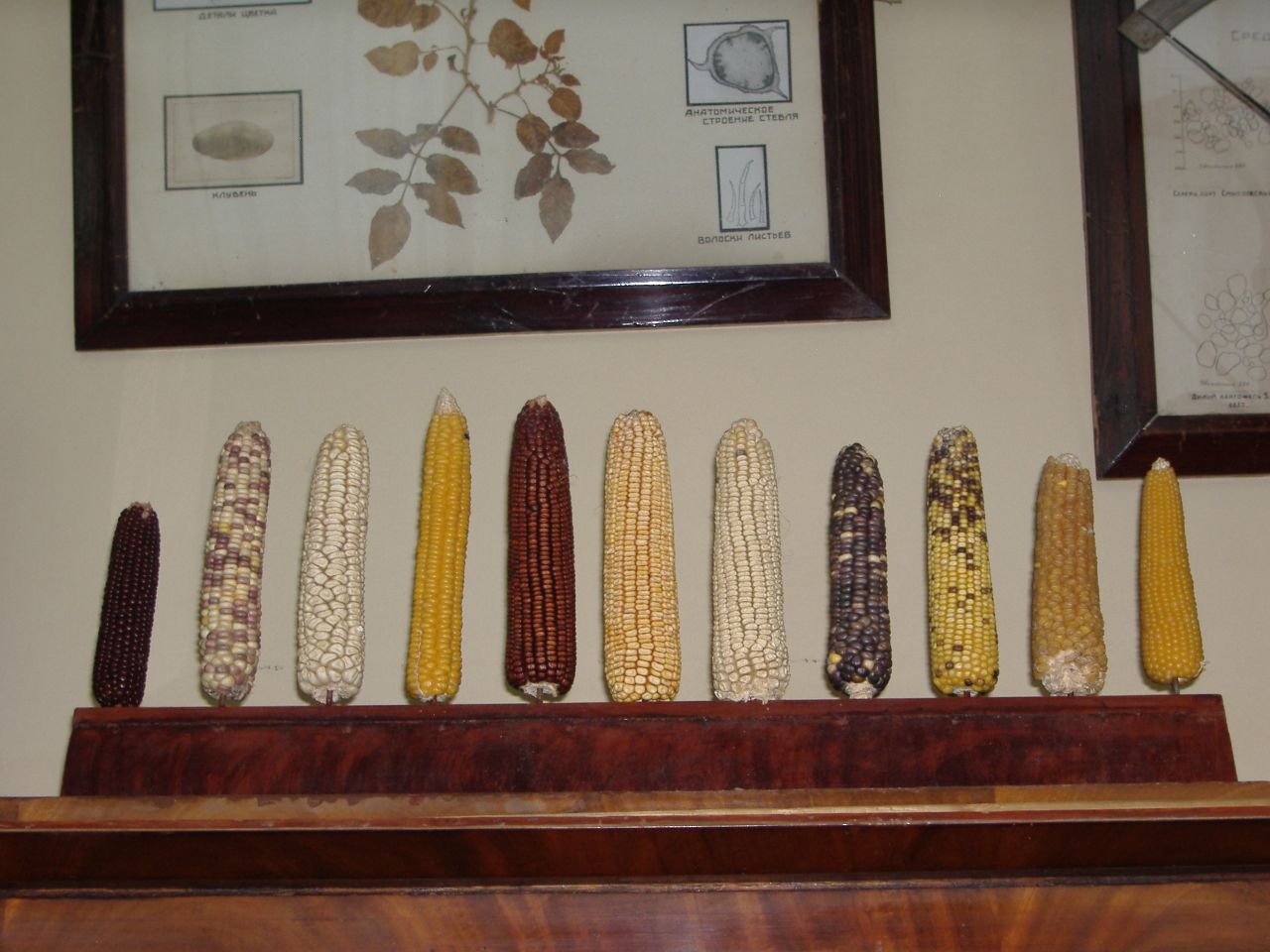
Photo: Luigi Guarino / Wikimedia Commons (CC BY 2.0)
Source: Global Agriculture

Comments
(0)