
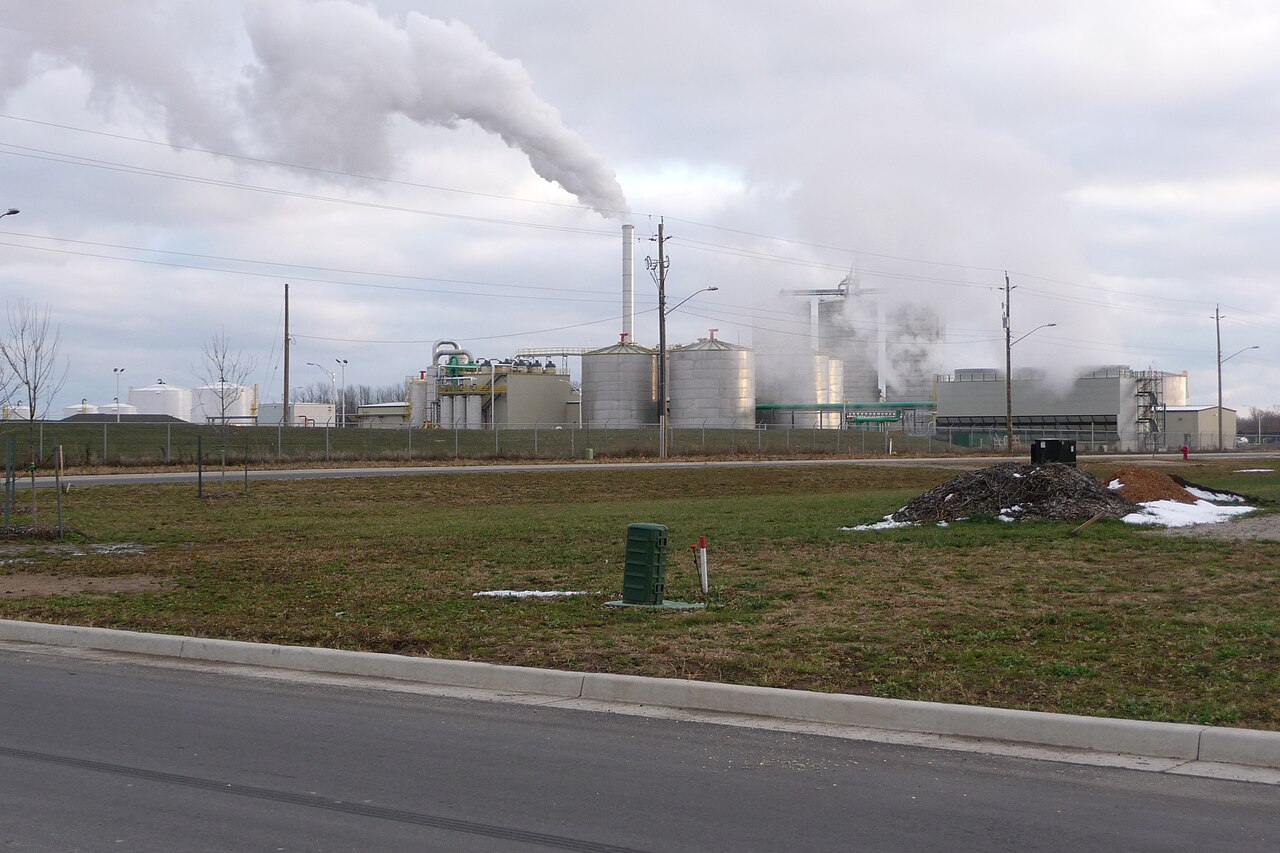
Cenovus Energy will stop production at its ethanol plant at Lloydminster on 15 December 2026, taking a major grain buyer out of northwestern Saskatchewan and eastern Alberta just as farmers finish the 2026 harvest. The company said in a written statement that the decision followed an economic review of the facility.
The plant has bought about 350,000 tonnes of grain a year from farmers in the two provinces. It was an important delivery point for wheat that did not meet milling specifications, and it also took rye, corn and triticale. Its annual capacity was about 130 million litres of ethanol and about 130,000 tonnes of dried distillers grain, a high-protein co-product sold as livestock feed.
Cenovus has not released the findings of its review or said how many employees are affected, though it says it is working to move plant staff into other roles. It has not announced a permanent closure or plans to dismantle the site, and says the facility will be maintained while it weighs future uses. The company has also said the decision is unrelated to US tariffs. Its other ethanol plant, near Minnedosa in Manitoba, will keep running.
For farmers around the plant, the first problem is finding a home for grain already harvested or in storage. Those without another nearby buyer may have to haul farther, which adds freight, fuel and handling costs to crops that already trade at a discount to milling wheat. Bids from other grain companies may also change with less competition in the area.
"To see it go is disheartening for folks, and it kind of throws a wrench in people's marketing plans and their logistics," said Devon Walker, a director of the Agricultural Producers Association of Saskatchewan who farms near Lashburn.
Planting choices for 2027 may turn on local bids, transport costs and whether another company shows interest in the site. Some growers may stay with ethanol wheat or feed grains if they can find another outlet, while others could move acres into hard red spring wheat or other crops with established delivery options.
The shutdown comes as Canada's biofuel makers face pressure from imports and competing policy support. The federal Biofuels Production Incentive covers eligible biodiesel and renewable diesel made in 2026 and 2027, but not conventional ethanol. Cenovus has not tied its decision to any federal policy, imported ethanol or other single market factor. The plant opened in 2006 under Husky Energy and passed to Cenovus when the companies combined in 2021. Producers with deliveries planned are advised to review their contracts directly with the company.
Photo: Peter Giesbrecht / Wikimedia Commons (CC BY-SA 3.0), an ethanol plant, not the Lloydminster facility
Source: Farms.com
Comments
(0)