
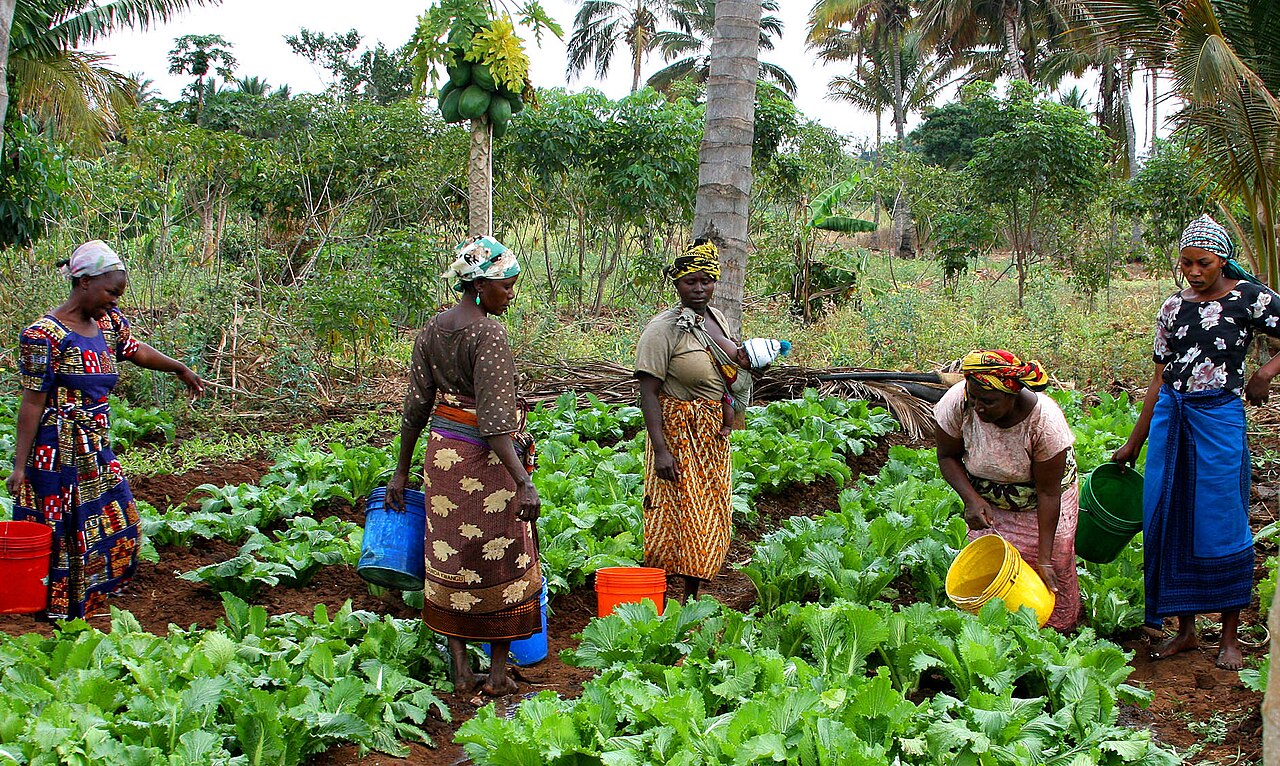
Women keep many farm businesses running yet are often seen as farmers' wives, daughters or helpers, and in South Africa land itself remains a significant barrier, speakers told the 31st Commonwealth Agriculture Conference, held in Cape Town from 1 to 5 November.
Shannon Robertson, assistant livestock manager at Boschendal and overall winner of the 2025 Western Cape Prestige Agri Awards, said land in rural smallholder and subsistence communities was often held by husbands or grandfathers while women were seen as caregivers. Women also need better access to finance, training, technology and markets, she said. She had herself assumed that her grandfather ran the family's strawberry and vegetable farm near Stellenbosch, until she learned that he worked in a factory while her grandmother organised planting, harvest and irrigation.
Lynda McDonald, deputy chairperson of the International Dairy Federation's Standing Committee on Farm Management, said priorities differ by country. In some emerging economies women still need a bank account, the right to own or lease land, and services they can reach without going through a man. "We simply can't talk about women in governance and leadership before those basic human rights are in place," she said.
Emily Norton, chairperson of the UK's Agriculture and Horticulture Development Board, described women at a farming meeting who said they "just" did the books, and challenged them to claim the title of farmer. She said poorly designed jobs are often read as proof that women lack strength: a hose could bring water to calf buckets instead of someone carrying them to a tap. Machinery, overalls and protective equipment should also fit women. Older men's injuries, she noted, show that such practices cost men too.
McDonald cited New Zealand research, about a decade old, showing that women's participation exceeded men's until around the age of 30, when childbirth and family duties began to affect it. Keeping women in the sector after a first child is therefore a real challenge, she said.
The panel also said the numbers are thin. Robertson cited research from 2012 in which more than 90 per cent of women studied were general workers and fewer than 7 per cent held supervisory, managerial or administrative posts. Norton questioned UK surveys that count only the principal farmer. McDonald urged organisations to track women's participation so that they can set targets, and said that in a five-year East African project, women's share of co-operative participation rose from 19 per cent to 39 per cent with efforts to involve them in household decisions.
Reported by Glenneis Kriel for Farmer's Weekly.
Photo: USAID Africa Bureau / Wikimedia Commons (public domain), a women's growers association in Morogoro, Tanzania, not the people in this report
Source: Farmers Weekly South Africa

Comments
(0)