
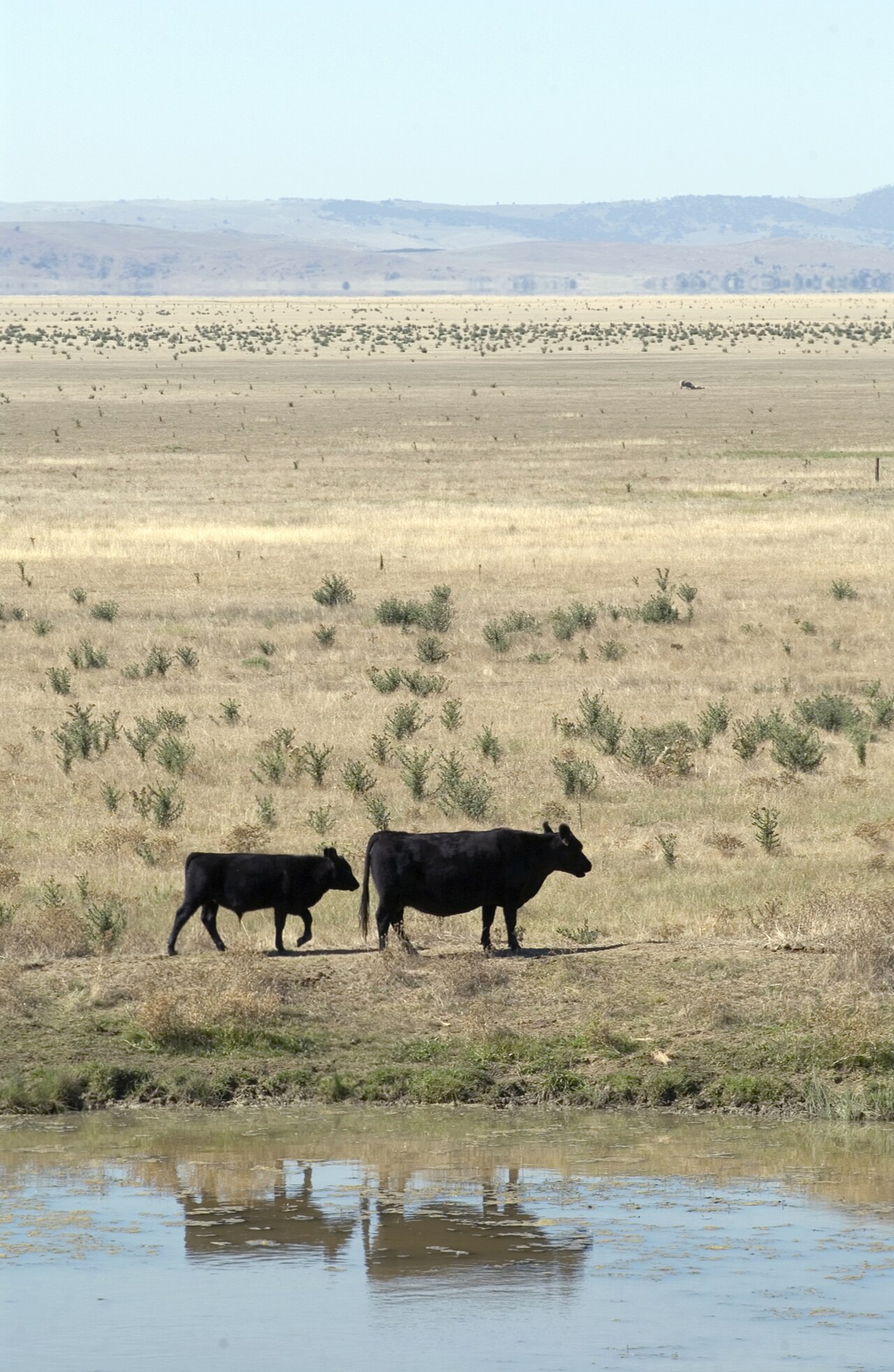
When a sick calf is on a distant pasture or an injured cow cannot be moved to a chute, Canadian cattle producers are increasingly reaching for a third option: medicating the animal by dart. Remote drug delivery appears to be spreading, driven by labour shortages, larger grazing areas and attention to handling stress, Glacier FarmMedia reports in AG Canada.
The technology has improved, said Kristen Bouchard-Teasdale, a livestock and forage extension specialist with Manitoba Agriculture. It is more common in western than eastern Canada, mostly on extensive operations with no handling facilities nearby, and feedlots rarely use it. It makes most sense when access to facilities is limited, the animal cannot safely be caught and quick treatment matters. It can let one animal with pinkeye be treated on pasture instead of running the whole group through, and spare a calf with pneumonia the stress of restraint. "A job that might have taken several people and a couple of hours can often be handled by one person in just a few minutes," she said.
It is not for calves under 200 lb., for cases that need a full clinical examination and restraint, for drugs with strict administration requirements, or where withdrawal times cannot be tracked. Dr Tanya Anderson of Gladstone Veterinary Clinic said few antibiotics are suitable, because a drug must be thin enough to pass through the dart and safe if a person is accidentally injected. Diagnosis still comes first: "Make sure that you're treating the disease you think you are, so you're using the right drug in a timely manner."
The Beef Cattle Research Council recommends working with a vet on diagnosis and drug choice, avoiding the rump and shoulder to protect carcass value and using approved neck sites, maintaining equipment and practising for accuracy, sizing darts correctly, never reusing them, and shooting from a suitable distance at an animal standing broadside. Producers in Verified Beef Production Plus may need to record the device, the dart, the needle size and the exact injection site.
Bouchard-Teasdale said darting must fit within responsible antimicrobial use, with a protocol agreed with the herd veterinarian, best-practice injection and good records. Jewel Kulbacki of Kulbacki Ag Supply, which sells the equipment, said it suits producers with bigger groups who cannot get close to their herds. Anderson framed the choice as one of welfare: whether bringing an injured or badly lame animal to a handling facility is really in its best interest.
The report is by Glacier FarmMedia for AG Canada.
Photo: Carl Davies, CSIRO / Wikimedia Commons (CC BY 3.0)
Source: AG Canada

Comments
(0)