
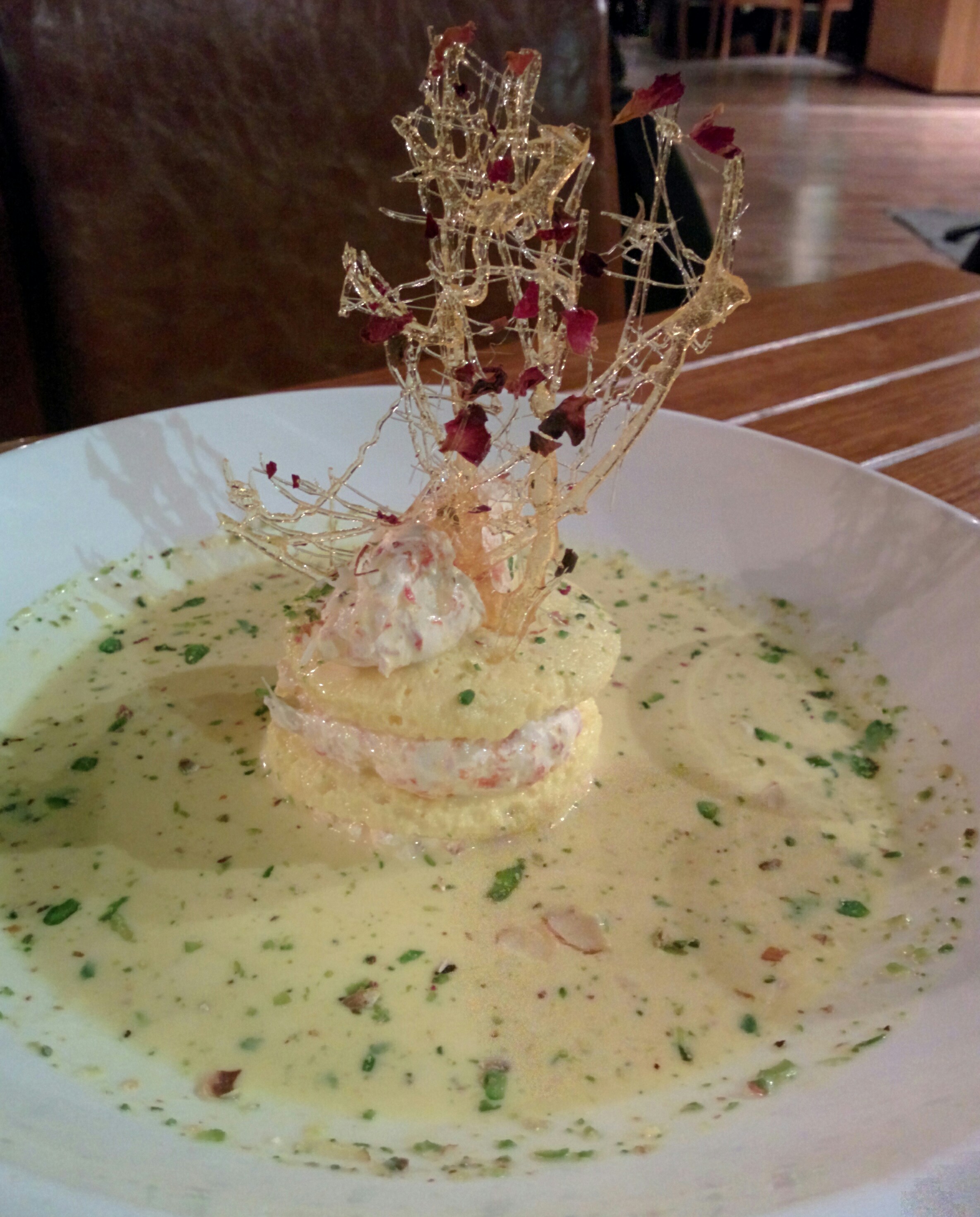
Jagonews24 published a recipe for carrot rasmalai on the afternoon of 3 February 2026, the day Muslims in Bangladesh were to observe Shab-e-Barat that night. The dish borrows the idea of rasmalai, soft balls soaked in sweetened milk, but makes the balls from boiled and blended carrot cooked with ghee, semolina and milk powder instead of the usual chhena, the fresh cheese of curdled milk. The carrot gives the dessert its natural orange colour and a light aroma, and everything it needs is ordinary household fare: carrots, semolina, liquid milk, milk powder, sugar, chopped nuts, a pinch of saffron and a spoonful of ghee. The paper offered it as a change from familiar rasmalai, for a festival table or for guests.
The ingredients
The recipe as Jagonews24 gave it uses the following quantities. It does not say how many servings they make.
- Carrots: 4
- Semolina (suji): half a cup
- Liquid milk: half a kilogram
- Milk powder: 1 cup
- Sugar: half a cup, or to taste
- Chopped nuts: 3 tablespoons
- Saffron: 1 pinch
- Ghee: 1 tablespoon
The list includes a pinch of saffron, but the method does not say at which stage it goes in. Of the cup of milk powder, the method puts half a cup into the carrot dough and also mixes milk powder into the liquid milk, without giving that second amount.
How it is made, step by step
The method has two parts that can run side by side: the carrot balls, and the milk in which they are finished.
- Wash the carrots, chop them and boil them.
- When they have cooled, blend them, and keep some of the blended carrot aside in a separate bowl.
- Heat the ghee in a pan, add the rest of the blended carrot and stir it for a while.
- Add the semolina and half a cup of milk powder and keep stirring without a break.
- When the mixture turns sticky, like halwa, take it off the heat.
- Shape it by hand into small round balls, like sweets, and steam them for a few minutes.
- Meanwhile, mix milk powder and sugar into the liquid milk and heat it.
- When the milk comes to the boil, add the carrot paste you kept aside and the chopped nuts.
- Put the carrot balls into the milk and simmer them for 10 minutes.
- Let it cool, scatter chopped nuts on top and serve in bowls.
In the classic dessert the balls are made of chhena and are first cooked in sugar syrup before they go into the milk. Here they come from a halwa-like dough of carrot and semolina and are steamed instead, while the carrot paste kept aside colours and flavours the milk itself.
A sweet for the night of Shab-e-Barat
The recipe appeared on the day of Shab-e-Barat. Bangla Tribune reported on 19 January 2026 that the National Moon Sighting Committee, meeting that evening at the Islamic Foundation in Baitul Mukarram, Dhaka, had found that the moon of Shaban was not sighted anywhere in Bangladesh. Rajab would therefore complete 30 days, Shaban would begin on Wednesday 21 January, and Shab-e-Barat would be observed across the country on the night of Tuesday 3 February.
Banglapedia, the national encyclopaedia of Bangladesh, describes Shab-e-Barat as the night of 15 Shaban in the Hijri calendar. Muslims believe that a person's fate for the coming year is decided on this night, and that whoever prays to Allah through the night and asks forgiveness may hope to be forgiven. Many go to mosques to pray and meditate, and some fast during the day, which Banglapedia notes is optional.
The night has its food customs too. Banglapedia records that families prepare breads and various kinds of sweetmeats and share them with neighbours and the poor, and that houses and streets are lit with candles or electric lights. Jagonews24's carrot rasmalai was one of several sweet recipes the paper ran around the occasion: its page linked to a ripe papaya halwa, a bottle gourd (lau) halwa and a semolina halwa, each offered for the Shab-e-Barat table, alongside recipes for beetroot halwa and date halwa.
What rasmalai is
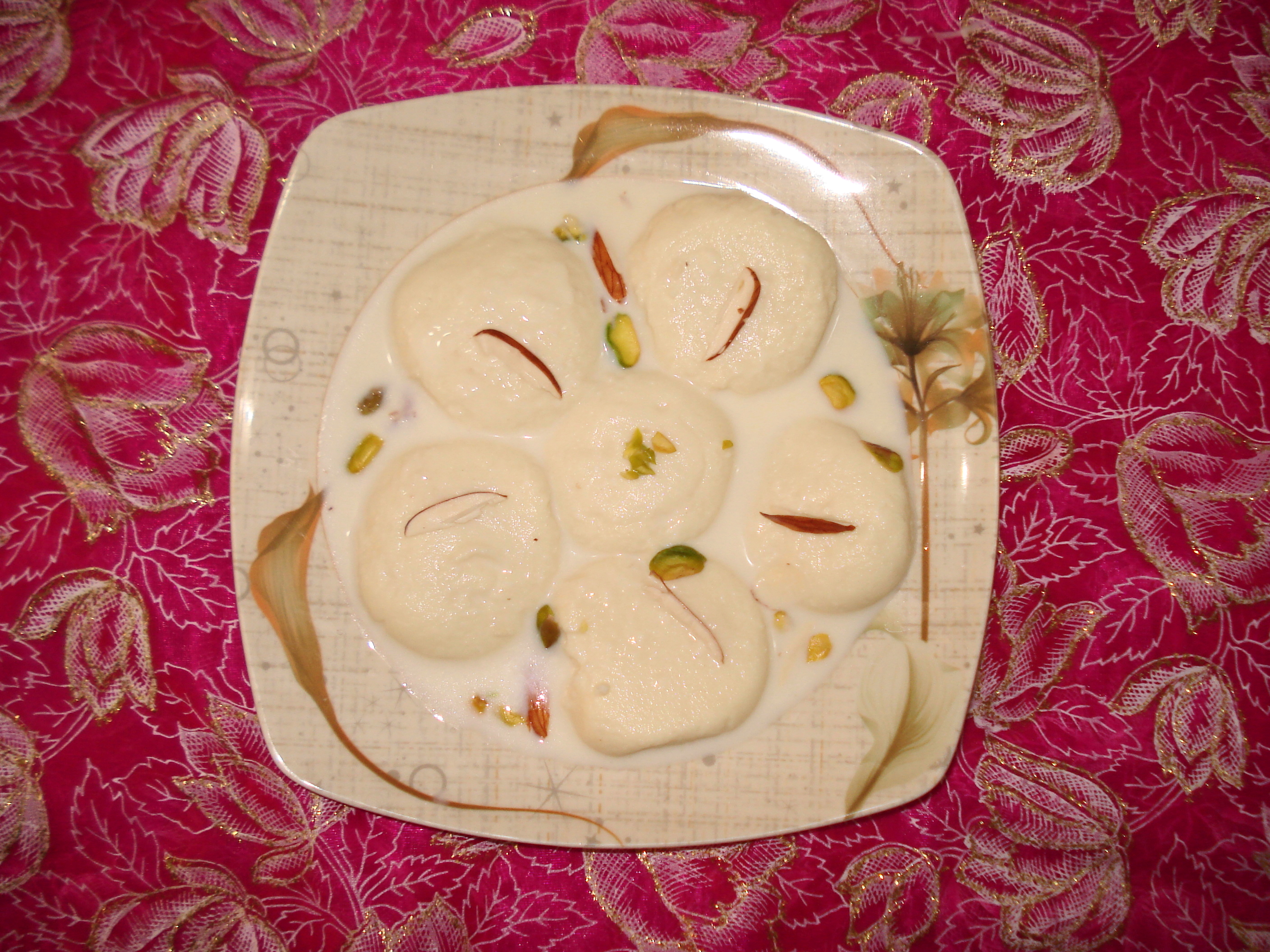
Rasmalai, roshmalai in Bengali, is a dessert that originated in the Bengal region of the subcontinent and is popular in Bangladesh, India and Pakistan. Its name joins rosh, juice or sap, and malai, cream. In the classic method, milk is boiled and curdled with a little lemon juice, the whey is strained off, and the drained chhena is kneaded into a dough, shaped into small balls, cooked in sugar syrup and then soaked in sweetened, flavoured milk. It is served cold, and its usual flavourings include saffron, cardamom, pistachios and rose water.
Banglapedia calls rasmalai a kind of rasagolla whose cottage cheese balls are smaller and cylindrical rather than round, and which float in thickened milk instead of syrup. It notes that rasmalai is also made in Dhaka and Rangpur, where the balls are round, and it names Cumilla for two sweets, pyada, made from thickened milk and sugar, and rasmalai. The encyclopaedia explains that Bengali sweetmeats are made largely from curdled milk, and that the discovery of how to curdle milk, which dates back to the Middle Ages, revolutionised the sweet culture of the Bengalis.
Where rasmalai was first made is disputed. By the account in the encyclopaedia Wikipedia, the sweet became popular after the Sen brothers opened the Matri Bhandar shop in Cumilla in 1930, and the Sen family claims to have made it first; the K.C. Das family of Kolkata disputes this and points to a Bengali advertisement of February 1932 that claimed the sweet as their invention.
Cumilla's rasmalai and its geographical indication
Cumilla's rasmalai holds a geographical indication (GI) in Bangladesh, a mark that ties a product's name to the place that gives it its character. The process began in 2017, when the Cumilla district administration chose its local products for registration. An official of the Department of Patents, Designs and Trademarks (DPDT) said at the time that registration would follow once the district sent the products for examination, as the intellectual property firm Khurana & Khurana reported in May 2017.
Prothom Alo reported on 1 January 2024 that the DPDT, which works under the Ministry of Industries, had confirmed GI recognition for four more products: Tangail's Porabari chamcham, Cumilla's rasmalai, Kushtia's tiler khaja and the Black Bengal goat. The application for the rasmalai came from the district administration. Before recognition, an application is published in a journal and a two-month window is open for objections; none was received for these four, and they brought the year's GI recognitions to ten.
The GI belongs to the Cumilla product. A home recipe such as this carrot version simply borrows the rasmalai style: balls finished in sweet milk and served cold.
Carrots in the sweets of the subcontinent
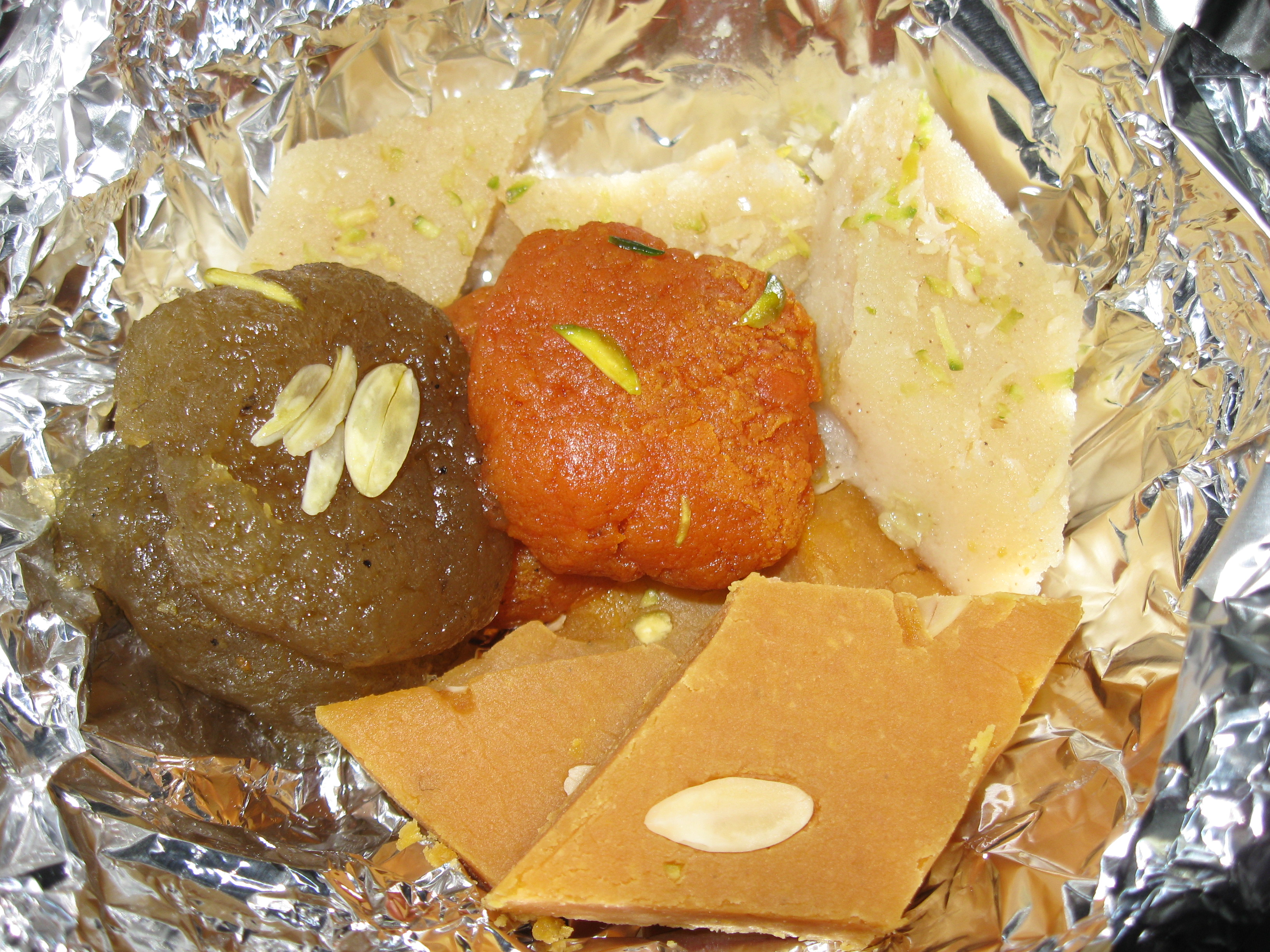
Carrot already had a place in the region's sweets before anyone thought of carrot rasmalai. The best known is gajar ka halwa, called gajorer halua in Bengali, a carrot pudding whose main ingredients are freshly grated carrots, milk, sugar, cardamom, khoya and ghee. It is cooked in ghee with regular stirring and is often garnished with almonds and pistachios. It is generally served hot in winter and is eaten at festivals across the subcontinent, Eid among them, and it belongs to the cuisines of India, Bangladesh and Pakistan. The halwa originally held only carrots, milk and ghee; ingredients such as mawa came later.
The carrot rasmalai joins the two traditions. Its balls begin much like a carrot halwa, stirred in ghee until the mixture turns sticky, and they end like rasmalai, simmered in sweetened milk and served cold with nuts.
The carrot: a root with a long history
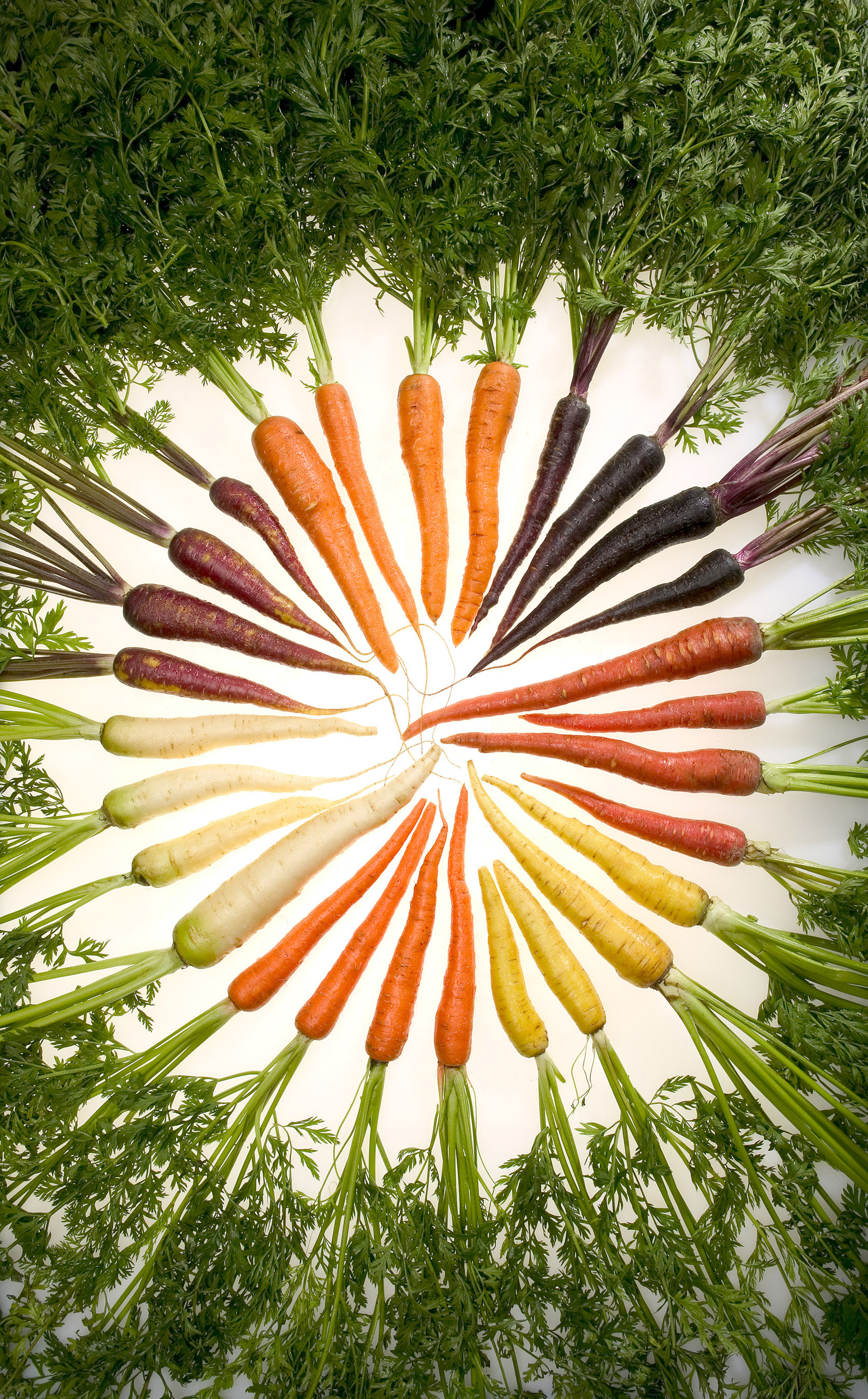
The carrot (Daucus carota subsp. sativus) is a root vegetable of the umbellifer family, Apiaceae. The species is biennial, meaning it takes two years to complete its life cycle, and the swollen root is what is harvested and eaten.
The domesticated plant probably originated in Iran, where it was first cultivated for its leaves and seeds, and the modern carrot came from Afghanistan around the 10th century. Those early Eastern carrots were mostly purple or yellow, and specimens of them that survive today are still commonly those colours. The orange carrot was created by Dutch growers: the orange Western carrot emerged in the Netherlands in the 16th or 17th century. Its orange colour comes from carotene. A raw carrot is about 88 percent water, 10 percent carbohydrate and 1 percent protein, with negligible fat.
What a carrot holds
The United States Department of Agriculture's FoodData Central database (SR Legacy, 2019) gives the following values for 100 grams of raw carrot:
- Water: 88.29 grams
- Energy: 41 kilocalories
- Carbohydrate: 9.58 grams, of which total sugars 4.74 grams
- Dietary fibre: 2.8 grams
- Protein: 0.93 grams; fat: 0.24 grams
- Vitamin A: 835 micrograms retinol activity equivalents
- Beta-carotene: 8,285 micrograms; alpha-carotene: 3,477 micrograms
- Potassium: 320 milligrams; calcium: 33 milligrams
- Vitamin C: 5.9 milligrams; vitamin K: 13.2 micrograms
These figures are for raw carrot. In this recipe the carrot is boiled, blended and cooked with ghee, milk, milk powder and sugar, so a bowl of the dessert is a different food from a raw carrot.
MedlinePlus, the health information service of the US National Library of Medicine, explains in its vitamin A page (reviewed January 2025) that beta-carotene is a plant compound which the body converts into vitamin A after it is eaten, and it lists carrots among the orange and yellow vegetables and fruits that supply it. Vitamin A, it says, helps form and maintain healthy teeth, skeletal and soft tissue, mucous membranes and skin, and supports good eyesight, especially in low light.
The dessert itself is a sweet. The World Health Organization's healthy diet fact sheet, in its version of 26 January 2026, advises limiting free sugars, the sugars added to foods and drinks, to less than 10 percent of total daily energy intake, about 50 grams or 12 level teaspoons a day for a person of healthy weight eating about 2,000 calories, and says that a further cut to 5 percent or less may bring additional health benefits. The same fact sheet advises everyone older than 10 years to eat at least 400 grams of fruit and vegetables a day. People with diabetes or on a special diet should ask a doctor before eating sweets such as this.
Carrot growing in Bangladesh
In Bangladesh the carrot is a winter (rabi) vegetable. The Bangladesh Bureau of Statistics (BBS) gives its sowing time as September to mid-December and its harvest as December to January, with about 1,050 grams of seed needed for an acre, in its Yearbook of Agricultural Statistics 2024, published in June 2025. The carrots in the markets in early February, when this recipe appeared, came from that winter's harvest.
The same yearbook puts carrot cultivation at 7 thousand acres in 2023-24, with an average yield of 6,327.90 kilograms per acre and production of 43 thousand tonnes. In 2022-23 the crop covered 6 thousand acres and produced 35 thousand tonnes, and in 2021-22 it covered 6 thousand acres and produced 31 thousand tonnes. It is a small crop beside the country's main winter vegetables: in the same table, winter vegetables as a whole produced 3,954 thousand tonnes from 770 thousand acres in 2023-24.
The yearbook's district table for 2022-23 shows how concentrated carrot growing is. Manikganj alone grew carrots on 1,729.98 acres and produced 14,057.50 tonnes, out of a national total of 6,488.56 acres and 35,270.61 tonnes. Pabna followed with 507 acres and 4,123.82 tonnes, then Dhaka district with 383.49 acres and 2,936.61 tonnes, Jamalpur with 287 acres and 1,217 tonnes and Bogura with 165.37 acres and 1,007.53 tonnes. Several districts, among them Barishal, Gopalganj, Munshiganj and Habiganj, recorded no carrot cultivation at all.
Singair in Manikganj
Within Manikganj, Singair upazila is known for the crop. The Dhaka Tribune reported on 9 February 2019 that about 1,200 hectares in 30 villages of Singair were under carrots, with an expected yield of 18 to 20 tonnes per hectare. Farmers then sold carrots at Tk 15 to 20 a kilogram and spent Tk 25,000 to 30,000 a bigha to grow them. Officials said no high-yielding carrot seed was available in Bangladesh, so farmers imported the Orange King variety from Japan, and some asked the government to lower seed prices. The deputy director of the Department of Agricultural Extension (DAE) in Manikganj told the paper that farmers received regular training on seeds, fertiliser and pesticides, and that carrots were ready for sale about three months after sowing. A local wholesaler said he sent Singair carrots to Dhaka, Sylhet, Chattogram, Cumilla, Noakhali and Barishal.
The Business Standard reported on 19 February 2021 that the Singair upazila agriculture office had set a target of 43,000 tonnes from 1,071 hectares for that season, after 42,725 tonnes from 1,117 hectares in FY2020; floods had cut the area by 46 hectares. Sowing began in the Bengali months of Ashwin and Kartik, carrots were ready for sale in about 90 days, and the soil there is mostly sandy loam. Growing a bigha cost Tk 19,000 to 20,000, a normal crop gave 150 to 160 maunds and a good one up to 220 to 230 maunds, and farm labourers earned Tk 450 to 500 a day. Farmers said wholesalers from Dhaka were the biggest buyers.
The DAE's local estimates and the BBS yearbook figures differ widely and are not directly comparable; each is given here as its source published it.
Milk and the other ingredients
Any rasmalai rests on milk. The Department of Livestock Services (DLS) publication Livestock Economy at a Glance 2024-25, prepared in July 2025 from BBS data and marked provisional, puts Bangladesh's milk production in 2024-25 at 155.38 lakh tonnes, up from 150.44 lakh tonnes in 2023-24. It sets the demand at 162.33 lakh tonnes, calculated at 250 millilitres per person per day, and the availability at 239.29 millilitres per person per day.
The same publication counts 251.71 lakh cattle in the country in 2024-25 and puts the livestock sector's share of gross domestic product at 1.81 percent at constant prices, and its share of agricultural GDP at 16.54 percent. The liquid milk and milk powder in a home kitchen are the end of that chain.
Semolina, ghee and saffron
Semolina is a coarse flour traditionally made from durum wheat. In the subcontinent common-wheat semolina is milled coarse or fine and is called sooji or suji, and it goes into sweets such as halwa. In this recipe it is cooked with the blended carrot and milk powder until the mixture is firm enough to shape into balls.
Ghee, clarified butter, is the fat in which the blended carrot is first stirred, as it is in carrot halwa.
Saffron is the dried crimson stigma of the saffron crocus, Crocus sativus, an autumn-flowering plant. It is costly because it is harvested by hand: some 440,000 hand-picked stigmas, from about 150,000 flowers, make a single kilogram. A carotenoid pigment, crocin, gives saffron its golden-yellow colour, picrocrocin gives its taste and safranal much of its aroma. Iran is its largest producer.
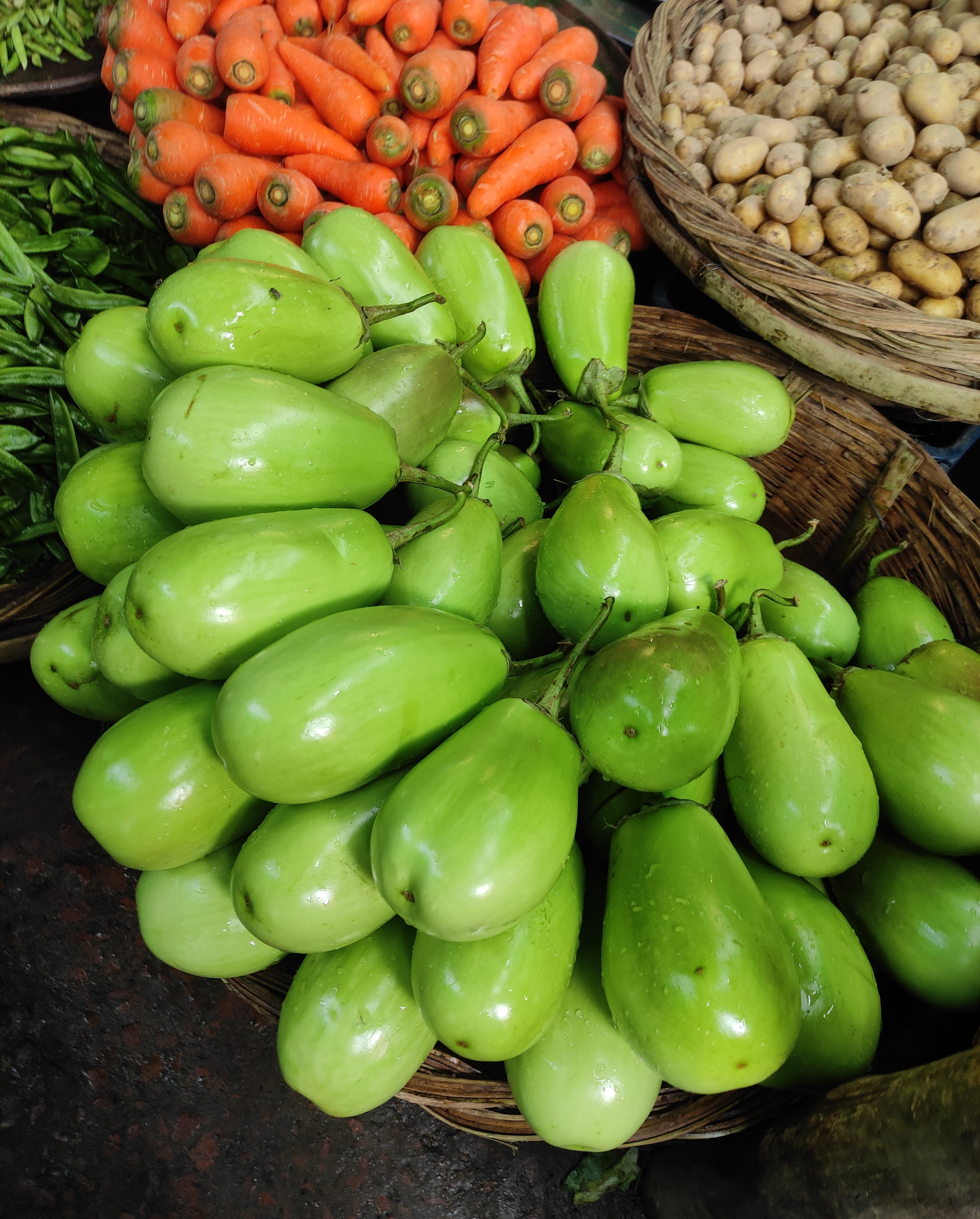
Photo: Shreya13jain / Wikimedia Commons (CC BY-SA 4.0)
Sources: Jagonews24, Bangla Tribune, Banglapedia, Prothom Alo, Khurana & Khurana, Bangladesh Bureau of Statistics (Yearbook of Agricultural Statistics 2024), Department of Livestock Services, USDA FoodData Central, MedlinePlus (US National Library of Medicine), World Health Organization, Dhaka Tribune, The Business Standard, Wikipedia

Comments
(0)