
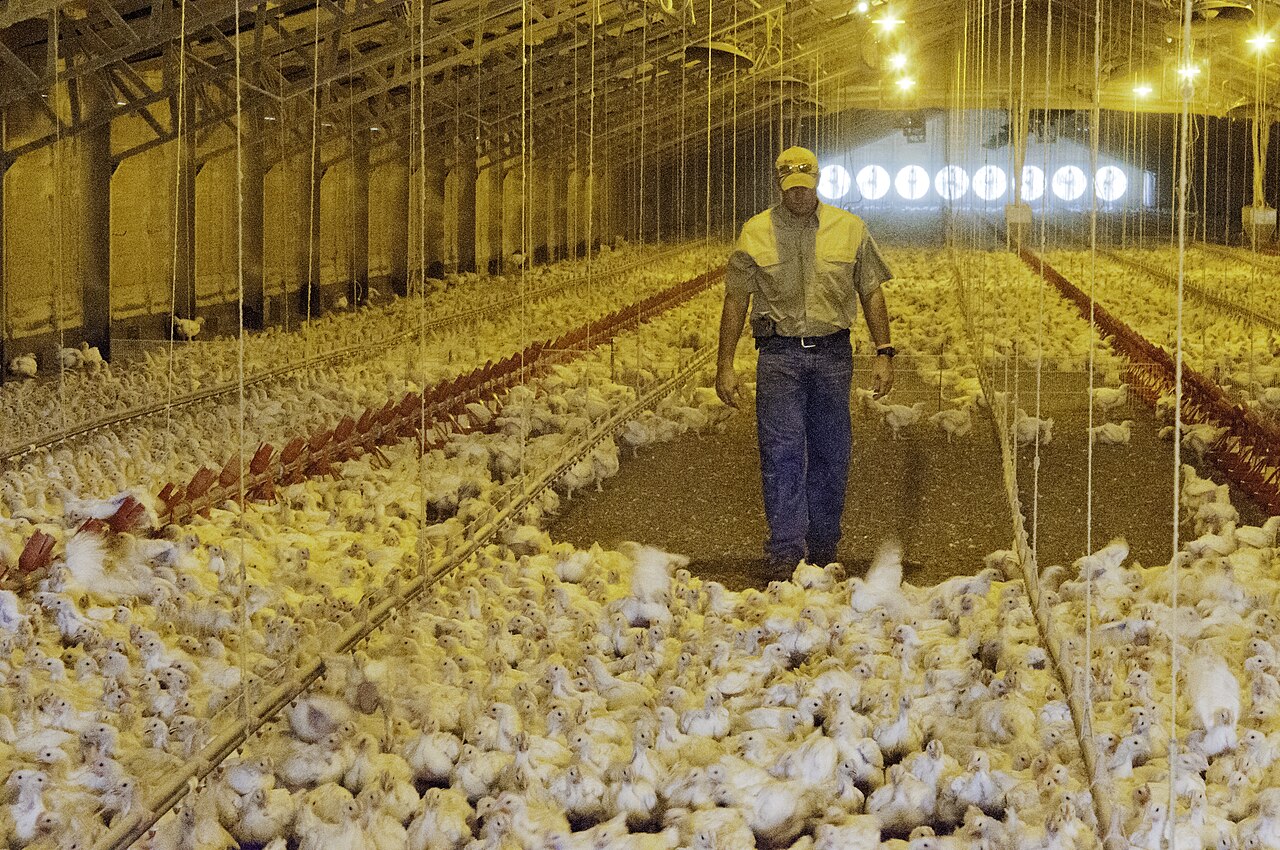
Canadians are expected to eat more chicken per person than ever before, according to the latest poultry report on Canada from the US Department of Agriculture's Foreign Agricultural Service (FAS). It projects per capita consumption at 39.5 kilograms in 2026 and 39.8 kilograms in 2027, both record levels.
The forecast comes despite a sharp slowdown in population growth. Canada's population, driven mainly by immigration, grew 3.0 percent in both 2023 and 2024, then returned to its long-run average of 1.0 percent in 2025 after tighter federal immigration targets cut the number of temporary residents such as international students and workers. With more temporary residents leaving, FAS expects the population to fall in 2026 compared with 2025, before modest growth in 2027.
Over the last 35 years total chicken consumption in Canada has nearly tripled, helped by steady population growth: the population peaked at 41.6 million in 2025, up from nearly 28 million in 1990. FAS notes that much of the immigration has come from groups that tend to prefer chicken.
The attaché report puts the trend down to chicken's position as a versatile and affordable protein. Competitively priced and consistently available, it is an attractive substitute for red meats, which usually cost more and are at times in short supply. Rising health awareness and the view that chicken is leaner than other meats have also helped, as has the spread of chicken-based quick-service restaurants.
Nearly one in four Canadians was born in another country, and the immigrant population increasingly comes from countries with stronger preferences for chicken over beef or pork, FAS says. Greater diversity has also widened the range of food outlets serving chicken dishes, and the report calls chicken's popularity in foodservice and retail, as in the United States, indisputable.
For poultry producers, the forecast points to demand that holds up even when the number of consumers stops growing, because each person is eating more.
The report was covered by Melanie Epp for The Poultry Site.
Photo: USDAgov / Wikimedia Commons (public domain)
Source: The Poultry Site

Comments
(0)