
"Proteinmaxxing", a social-media trend among Gen Z Americans of eating as much protein as possible, is the starting point of a column by state representative Randyn Gregg, vice chair of the House Education Committee for House District 78, published by Northern Ag Network. The views are the writer's own.
Gregg cites International Food Information Council surveys showing that the share of Americans trying to get a certain amount, or as much as possible, of protein rose from 54 percent in 2015 to 70 percent in 2025. He also cites USDA Economic Research Service figures: red meat and poultry available per person rose from about 211.2 pounds in 2015 to an estimated 228.8 pounds in 2026. He notes that USDA treats these as availability figures, a proxy for consumption rather than a measure of what each person eats.
Chicken gained most, from about 89.1 pounds a person to an estimated 105.6 pounds, followed by beef, from about 54.4 to 60 pounds; pork held at about 49 to 50 pounds and turkey fell from about 15.8 to 13.6 pounds. He points to whey, a once low-value by-product of cheesemaking, which is now filtered into concentrates and isolates of at least 90 percent protein on a dry-matter basis and added to bars, shakes, cereals and waffles, opening another market for the milk of dairy farmers.
The writer attributes the demand to several forces together: GLP-1 weight-loss drugs, with a 2025 clinical advisory stressing protein and strength training to preserve muscle during treatment; the 2025-2030 Dietary Guidelines released in January 2026, which tell Americans to prioritise protein at every meal and sharply cut highly processed foods, added sugars and refined carbohydrates; fitness culture; and a consumer turn towards minimally processed food.
His central argument is that rising demand does not automatically mean higher farm and ranch income. Beef, chicken and dairy producers benefit, as do growers of corn, soybeans, barley and other feed, and there is interest in pulses and other plant proteins too. But to keep more of the value, he argues, more processing should happen close to where food is produced: meat and dairy processing, whey and milk-protein production, soybean crushing and pulse fractionation.
"The more value we can add before our commodities leave rural America, the greater the opportunity for some of that growing consumer demand to make its way back to the farmers, ranchers and rural communities that produced it," Gregg writes.
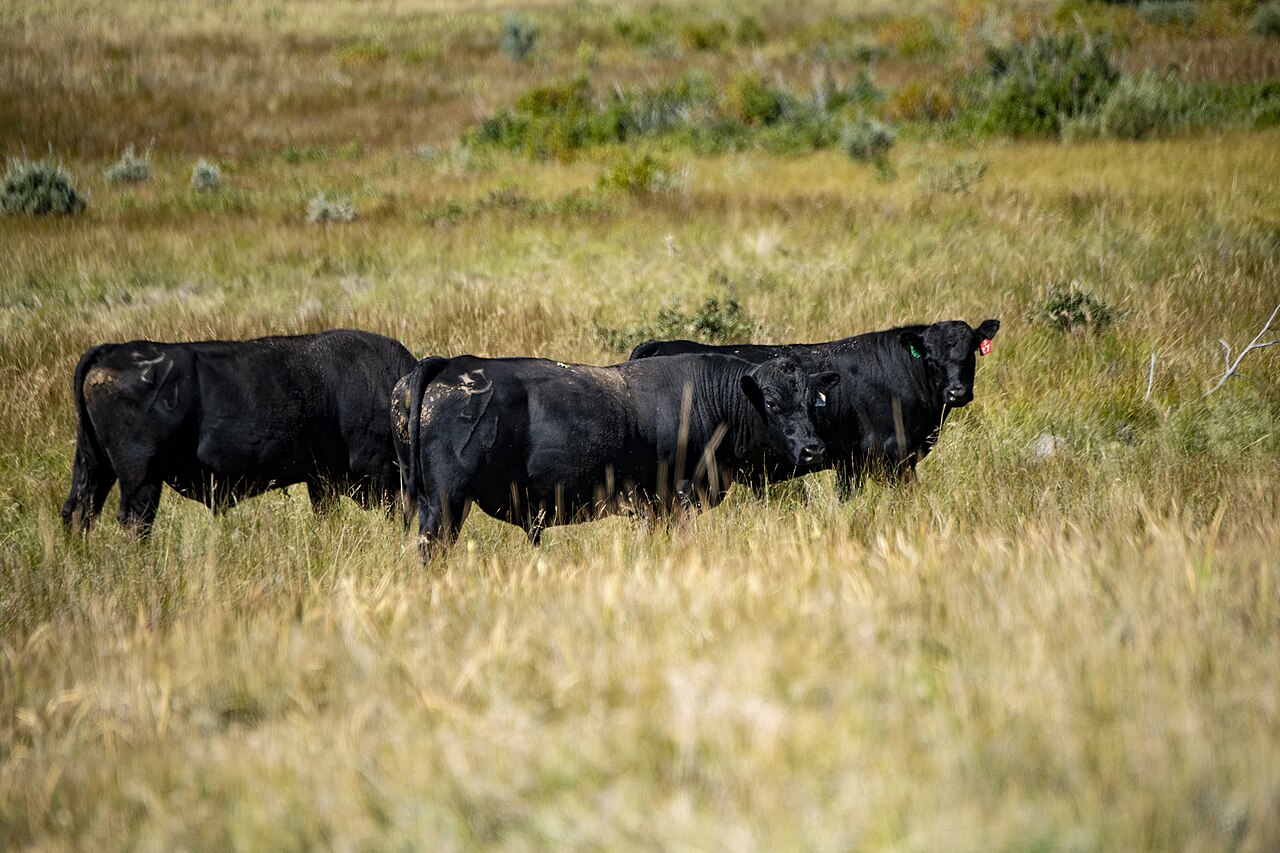
Photo: USDAgov / Wikimedia Commons (public domain)
Source: Northern Ag Network


Comments
(0)