
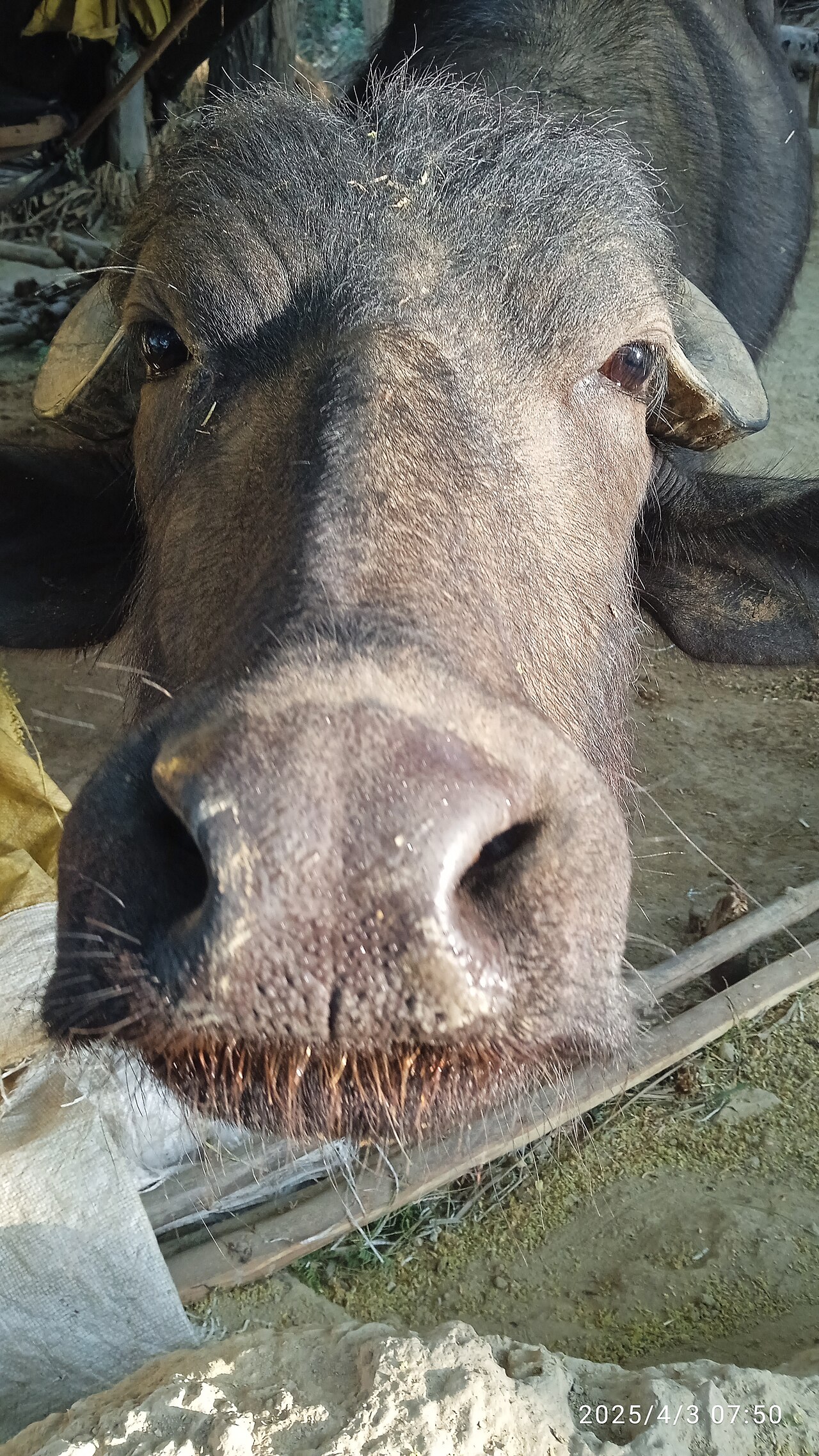
India's cattle inventory, which counts both bovine cattle and Asian domestic water buffalo, will begin 2027 at 307 million head, marginally lower than last year, according to a forecast from the US Department of Agriculture's Foreign Agricultural Service (FAS).
FAS said slaughter in 2026 was higher than it had estimated earlier, driven by strong domestic and export demand for bovine meat. It expects the herd to end 2027 lower still, at 306.5 million head, as slaughter rises again to meet demand. India has one of the largest cattle inventories in the world, kept mainly for dairy.
Industry sources quoted in the forecast expect slow growth in crossbred cattle and higher-yielding buffalo, but say this will be more than offset by falling numbers of low-productivity non-descript cattle and water buffalo, and of stray, unproductive animals such as old spent cows, buffalo, male calves and bulls.
The structure of dairying is changing too. Small and marginal farmers still dominate, with backyard dairies of two to five animals in most states. In the major dairy-producing states, however, there is a growing trend towards specialised operations of 20 to 50 animals, while backyard dairies keep milch animals only for home consumption. As holdings shrink and mechanisation spreads, farmers are replacing lower-yielding cows and buffalo with high-yielding animals.
Machines and better rural roads have also reduced the use of bullocks and buffalo bulls for draught work. A strong recovery in export demand for buffalo meat (carabeef), the expansion of modern abattoirs and meat-processing plants, and steady demand at home have raised prices for spent animals, FAS said. That is lifting farmer incomes and means fewer animals are abandoned as strays.
For South Asian livestock keepers the forecast describes a familiar shift: fewer animals on each farm, each producing more milk, with a working market for the animals that no longer pay their way.
The forecast was reported by Melanie Epp for The Cattle Site.
Photo: Shivam nova / Wikimedia Commons (CC BY-SA 4.0)
Source: The Cattle Site

Comments
(0)