
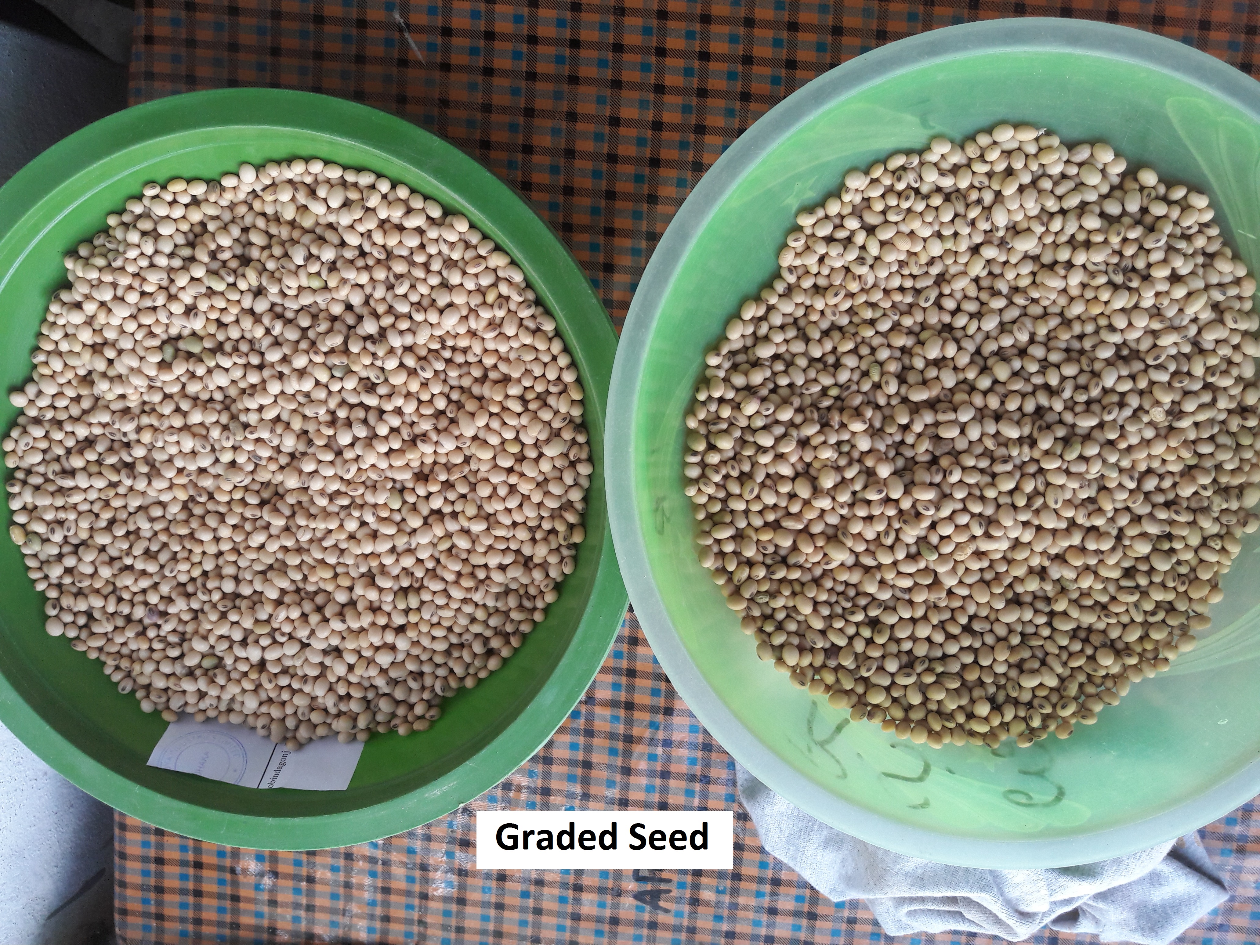
Bangabandhu Sheikh Mujibur Rahman Agricultural University (BSMRAU) in Gazipur had developed a high-yielding soybean variety named BU Soybean-5, Jagonews24 reported on 16 August 2024. The university described it as tolerant of waterlogging, short in duration and carrying the largest seeds of any soybean variety in the country. Researchers of its Department of Agronomy bred it from a germplasm line collected from the World Vegetable Center in Taiwan, tested it with farmers in Noakhali and Lakshmipur, and registered it with the Seed Wing of the Ministry of Agriculture.
Prothom Alo had reported the registration on 13 August 2024, writing that the university's vice-chancellor confirmed the approval to the paper, and The Business Standard carried the same figures on 14 August. The reports described a variety that ripens in 75 to 85 days, withstands seven days of standing water and is meant for the coastal belt, where cyclone rain often floods soybean fields just as the crop begins to mature.
A variety bred for the coastal belt
According to the university, soybean growers in the coastal districts had long wanted a variety that was both short in duration and tolerant of waterlogging. In those areas cyclones often bring sudden heavy rain at the very start of maturity. The water stands in the fields, and the crop suffers heavy losses. The university said it had carried out intensive research on the problem for that reason.
Professor Dr Abdul Karim, who led the team that developed the variety, said germplasm BD2334, collected from the Asian Vegetable Research and Development Center (AVRDC, now the World Vegetable Center), combined high yield with the ability to tolerate waterlogging for seven days. On the strength of the results on the university's own fields, the line was then grown with farmers in different upazilas of Noakhali and Lakshmipur districts, in both the Rabi (winter) and the Kharif seasons, to check whether it performed as well on farms. On the basis of the views of the farmers and researchers involved, BD2334 was registered with the Seed Wing of the Ministry of Agriculture under the name BU Soybean-5.
The long-term research was funded by the Ministry of Science and Technology and by the university's own research wing. In the farmers' fields the work was supported in several ways by Solidaridad Network Asia, an international development organisation, and by local officials of the Department of Agricultural Extension (DAE).
The new variety in figures
Professor Karim said the other varieties in the country take 100 to 110 days to mature, while BU Soybean-5 ripens in 75 to 85 days depending on the season. That, he said, would let the crop escape the sudden waterlogging that heavy rain causes just before the pods ripen. In different upazilas the variety gave a yield of 3.5 metric tonnes; none of the reports stated the area over which that yield was measured.
A thousand seeds of BU Soybean-5 weigh 285 grams, which the university said was more than any existing variety in Bangladesh. The seed contains 38 per cent protein and 20 per cent oil. The main points, as the university gave them, were these:
- Parent line: germplasm BD2334, collected from AVRDC (World Vegetable Center) in Taiwan.
- Duration: 75 to 85 days depending on the season, against 100 to 110 days for other varieties in the country.
- Waterlogging: the line tolerated seven days of standing water.
- Yield in farm trials: 3.5 metric tonnes in different upazilas.
- Seed size: 285 grams per 1,000 seeds, the largest in the country according to the university.
- Seed content: 38 per cent protein and 20 per cent oil.
- Testing: farmers' fields in Noakhali and Lakshmipur, in the Rabi and Kharif seasons.
- Registration: Seed Wing, Ministry of Agriculture, as BU Soybean-5.
The figures stand out against the national picture. In its Bangladesh oilseeds report of 19 March 2024, the U.S. Department of Agriculture's Foreign Agricultural Service (USDA FAS) put the typical yield of soybean varieties in Bangladesh at 1.7 tonnes per hectare, well below a global average of 2.8 tonnes. It wrote that the crop takes 110 to 115 days to harvest, and that about 70 per cent of soybean farmers still grew Shohag, a variety officially released in 1991 that yields 1.6 to 1.8 tonnes per hectare.
The same report said more than ten high-yielding soybean varieties had been released in Bangladesh since 1990, but that the unavailability of high-yielding varieties and the lack of quality seed continued to hamper the crop's expansion. BARI Soybean-5 and BARI Soybean-6, developed by the Bangladesh Agricultural Research Institute (BARI), were planted by about 30 per cent of soybean farmers, yet limited seed supply constrained them, and the varieties released by the Bangladesh Institute of Nuclear Agriculture (BINA) and Bangladesh Agricultural University were planted only on a limited scale. Farmers, USDA FAS noted, prefer to keep their own seed for the next season; around 3,000 tonnes of soybean seed is used in a planting season.
Why standing water ruins a soybean crop
A peer-reviewed study by BSMRAU agronomists, published in the journal Life in November 2022, set out the problem the new variety is meant to answer. In Bangladesh, the authors wrote, the optimum sowing time for soybean is mid-December to mid-January and the crop is harvested in April. Soybean sown in January suffers waterlogging at the pod-formation stage in March because of a change in the rainfall pattern. They gave examples: heavy torrential rain in April 2017 and super cyclone Amphan in 2020 damaged soybean crops at the late pod-development stage in greater Noakhali and Bhola, while Cyclone Nada in early November 2016 brought heavy rain that delayed sowing, which normally follows directly after the Aman rice harvest.
The study explains why the damage is so severe. Soybean needs adequate oxygen in the soil, and waterlogging cuts the oxygen available to the plant. Photosynthesis, the build-up of dry matter, plant growth and the formation of flowers and pods are all disturbed. Nitrogen fixation by the root nodules is badly affected, and waterlogged plants show yellowing of leaves, dead tissue and leaf drop. The authors cited earlier research putting the loss at 20 to 39 per cent of yield when soybean is flooded at the R5 reproductive stage, about 18 per cent worldwide when it is flooded late in the vegetative stage, and about 20 per cent when waterlogging strikes at the V2 and V3 growth stages.
In their own trial the researchers waterlogged BU Soybean-1 and BU Soybean-2 for four days at flowering. BU Soybean-2 produced taller plants and heavier grain, and a better grain and straw yield under waterlogging, when part of its potassium fertiliser was top-dressed after the flood. The authors suggested applying 50 per cent of the recommended potassium after the floodwater recedes in flood-affected soybean areas; the recommended amount itself depends on the soil, so farmers are best advised by their upazila agriculture officer.
The risk had already been seen in the fields of Lakshmipur. The Business Standard reported in February 2020 that unseasonal rain on 7 to 10 December, 3 to 5 January and 29 January had submerged the district's Rabi land. Soybean is normally sown by 15 January, the DAE's deadline, but by 11 February soybean covered less than 100 hectares against a target of 53,238 hectares. Farmers and traders told the paper that pre-harvest storms and rain in 2015, 2016, 2017 and 2018 had left thousands in losses and debt. A DAE plant-protection official in Ramgati upazila warned that a crop sown after January would be harvested in June, when the rainy season begins, and a principal scientific officer of BARI in Noakhali called for a new, quick-harvest variety.
Lakshmipur, the country's "Soya Land"
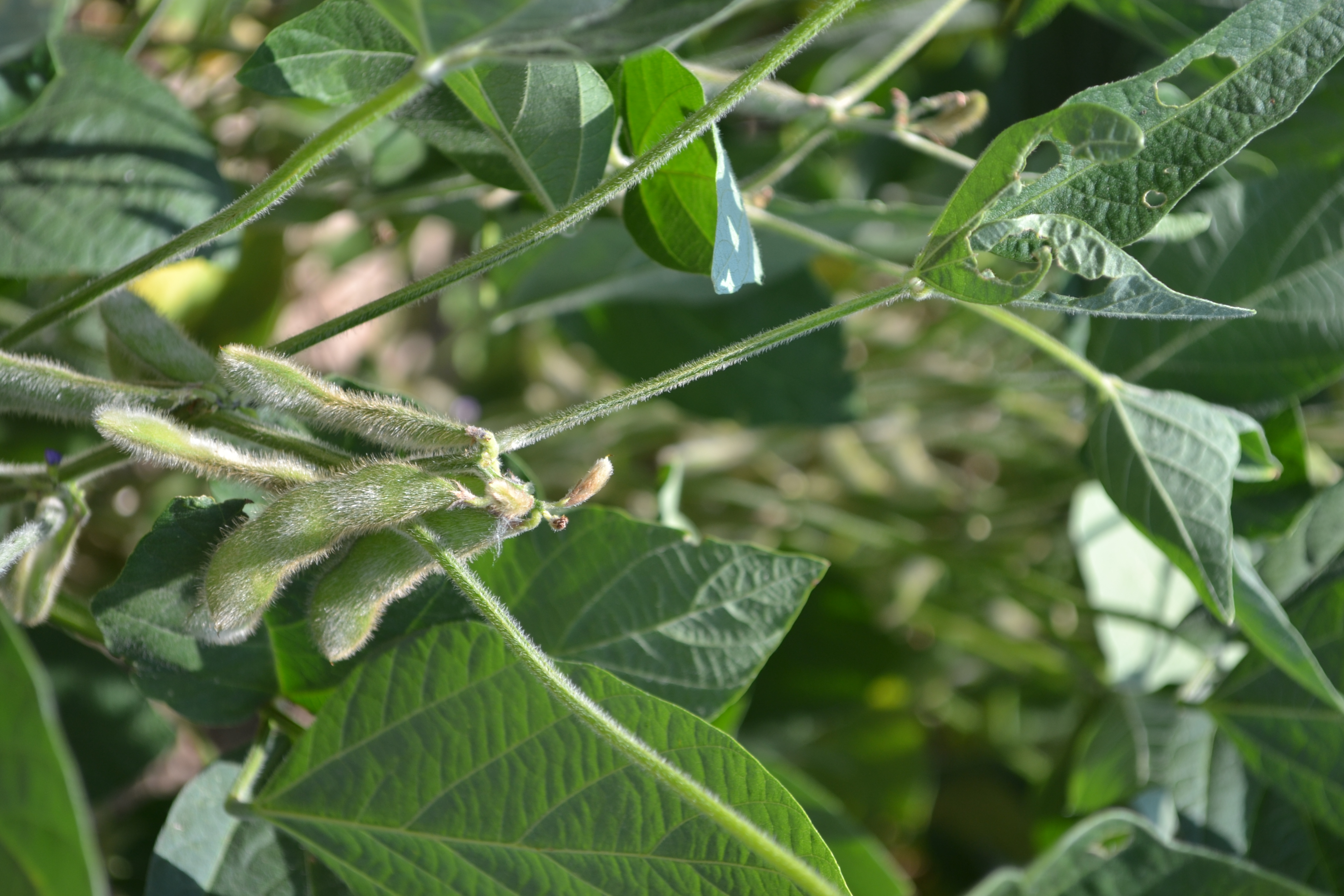
Lakshmipur, the main district of the field trials, is known as "Soya Land". According to the DAE figures The Business Standard reported in 2020, the district produced 86,410 tonnes of soybean from 48,545 hectares in 2019, or 59.80 per cent of national output. Its share had been 65 per cent in 2018 and 60 per cent in 2017, and until 2015 Lakshmipur produced 75 to 80 per cent of the national total. The DAE and the Department of Agricultural Marketing in Lakshmipur said the district had earned about Tk 300 crore a year from soybean in earlier years and Tk 324 crore in 2019.
The district covers 1,440 square kilometres in Chattogram division. It was part of Noakhali until 1984, when the old Lakshmipur subdivision became a district of its own. Chandpur lies to its north and Noakhali to its east, while Bhola and Barishal lie across the wide Meghna to the southwest. Much of the land was built up by the Meghna's silt: the chars in the river grow grass within months and become fit for farming, and most of present-day Lakshmipur was formed over the last century as chars merged with the mainland. The district has five upazilas, Lakshmipur Sadar, Ramganj, Raipur, Ramgati and Kamalnagar, and the 2022 census counted 1,937,948 people there. Besides soybean it is known for coconut, betel nut and hilsa.
Soybean in Bangladesh
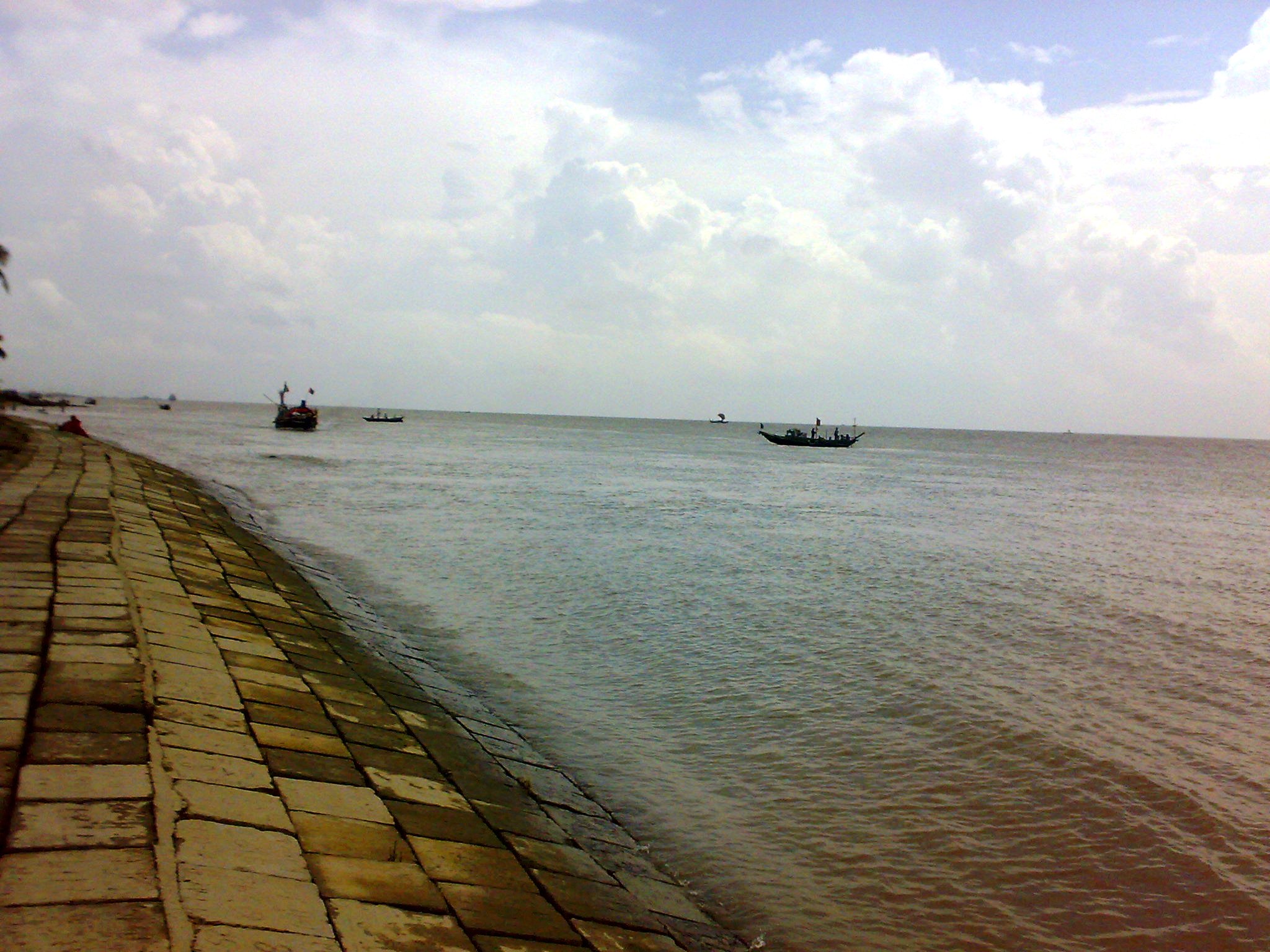
Soybean (Glycine max) is a bushy legume that probably originated in China. Banglapedia, the national encyclopedia, records that soybeans of American types were introduced to Bangladesh in the early 1970s, that wild indigenous soybean is found in the Chittagong Hill Tracts, and that cultivation began in 1978, mainly in Noakhali and Feni. The 2022 BSMRAU study traces the crop to the early 1970s, when the Mennonite Central Committee worked in greater Noakhali, and records its spread from only 5,000 hectares in 2005 to 57,670.85 hectares in 2020-21.
The DAE figures compiled by USDA FAS show the area still growing in the years just before the new variety. Soybean covered 79,000 hectares and produced 140,000 tonnes in fiscal 2021-22, 80,000 hectares and 145,000 tonnes in 2022-23, and 88,000 hectares and 150,000 tonnes in 2023-24. The crop is grown in a limited area, mostly in the southern belt: Noakhali and Lakshmipur in Chattogram division and Pirojpur, Patuakhali, Barguna and Bhola in Barishal division.
USDA FAS described soybean as gaining popularity as a cash crop among farming households in the south. Production costs are lower than for other crops because farmers do not irrigate soybean: they usually sow it after harvesting Aman rice, and the moisture left in the soil from the rice helps the seed germinate. Bangladesh has three cropping seasons, Rabi, Kharif-I and Kharif-II, and the Rabi soybean crop of 2023-24 was planted in January and February 2024, with harvesting from April and May. Even so, the country produces only about five to seven per cent of its annual soybean demand.
A crop that feeds poultry, fish and cattle
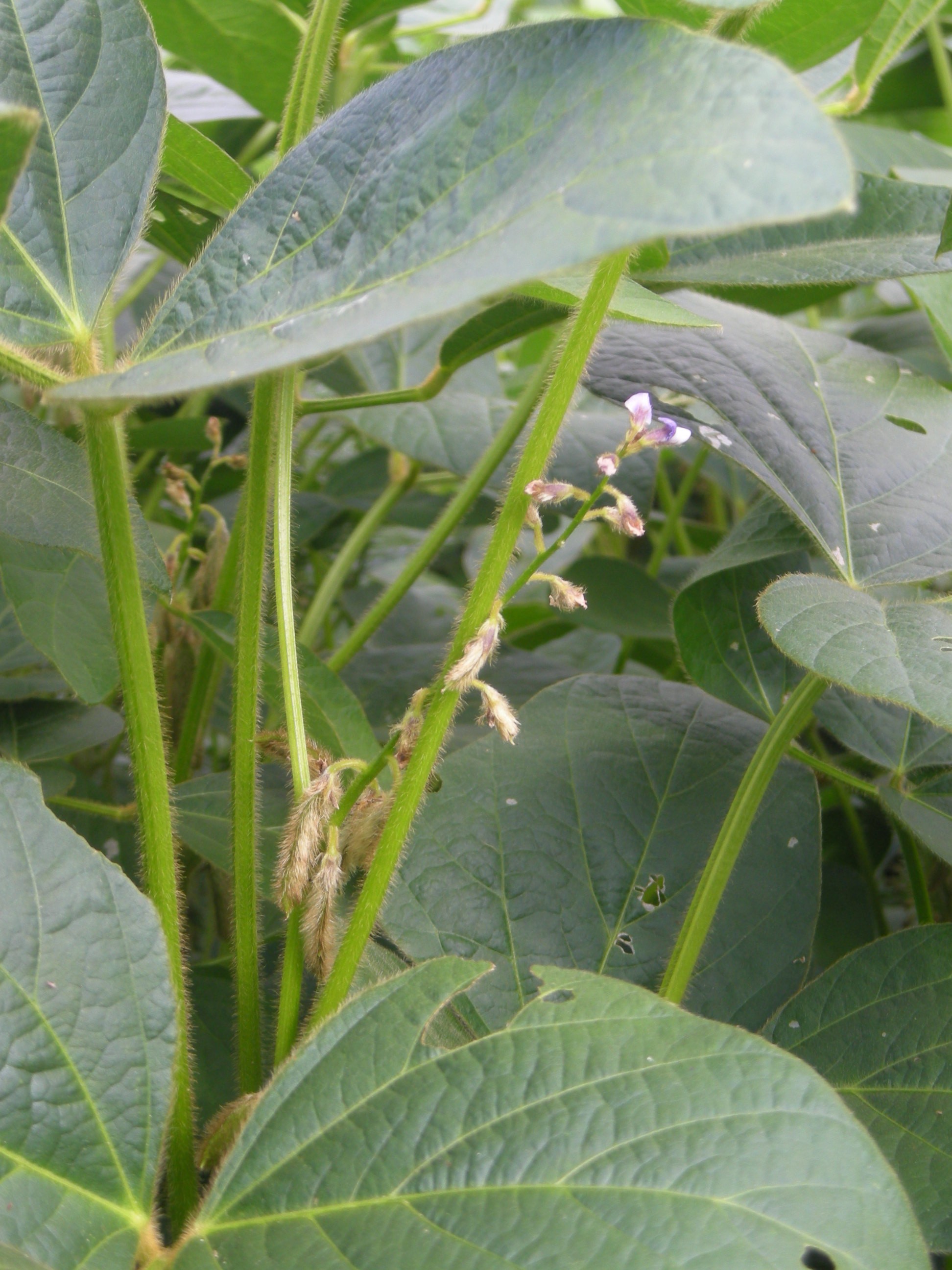
The university noted that in Bangladesh soybean is still used mainly as feed for animals and fish, and Prothom Alo added that its use in snacks, soya meat balls and soy milk had been growing. USDA FAS wrote that domestically produced soybeans go predominantly to the feed industry and, because of the poor quality of the beans and their lower oil content, are not used for oil. Human consumption of soybean products other than oil is small: farmers make soy milk, soya halua, soy curd, soya piazu and soy flour from part of the crop.
Most of the country's soybean comes from abroad. USDA FAS estimated soybean imports at 1.8 million tonnes for the 2023-24 marketing year and forecast 2 million tonnes for 2024-25, citing growing demand for poultry, fish and dairy feed. Imports had fallen to 1.19 million tonnes in 2022-23, when a severe dollar shortage disrupted imports. Soybean meal makes up around 30 per cent of feed ingredients in Bangladesh. City Group and Meghna Group dominate the crushing industry, the total daily crushing capacity is 18,000 tonnes, and domestically grown oilseeds meet only about 15 to 20 per cent of the country's edible oil requirement.
That is the market the university had in mind. At a meeting with Solidaridad Network Asia and the DAE, it was reported that BSMRAU's stress-tolerant soybean varieties were being grown on about 10,000 hectares, and that their larger seeds, shorter duration and notable protein content made them widely sought as an ingredient of animal and fish feed. The 2022 study notes that dry soybean seed contains 30 to 50 per cent protein.
The BU soybean family
BU Soybean-5 is the latest in a line of varieties from the same department. In 2014 it released BU Soybean-1, a short-statured, high-yielding variety that matures relatively early. BU Soybean-2 followed in 2020. A university release reported by the Daily Observer on 3 September 2020 said it came from AVRDC line AGS 383, which resisted drought, waterlogging and lodging; participatory trials in Kamalnagar, Subarnachar, Gobindaganj in Gaibandha and Bhuapur in Tangail, and on the university's fields, gave an average of 3.5 tonnes per hectare, with 4.7 and 4.4 tonnes in Gobindaganj and Kamalnagar. Its 1,000-grain weight of 220 grams was then the heaviest in the country, and it matured in about 100 days in winter and 90 days in the Kharif-II season.
In August 2023 the National Seed Board approved two salt-tolerant varieties, BU Soybean-3 and BU Soybean-4, Prothom Alo reported. They were grown with farmers on land of varying salinity in several upazilas of Noakhali, Lakshmipur and Bhola in both Rabi and Kharif, and gave an average of 3.2 tonnes. Professor Karim told the paper that under the same salinity other varieties had yielded 200 to 400 kilograms per hectare against 800 to 1,100 kilograms for the new pair. Their 1,000-seed weights were 220 and 225 grams, protein 42 and 39 per cent and oil 19 and 17 per cent. That research was funded by the Krishi Gobeshona Foundation and the university, again with field support from Solidaridad and the DAE, and the Seed Wing's director general, who is also secretary of the National Seed Board, said the varieties had been approved after field observation.
The institutions behind the variety
BSMRAU stands at Salna in Gazipur and was the country's second agricultural university. It grew out of the Bangladesh College of Agricultural Sciences, founded in 1980 with Japanese support, which became the Institute of Postgraduate Studies in Agriculture (IPSA) in 1983; the university was established in November 1998 by Presidential Order No. 16 of 1998. Its campus covers about 76 hectares, and agronomy is among its degree-awarding departments. The soybean work there began in 2006 with about 200 germplasm lines collected from AVRDC, BARI and the Noakhali-Lakshmipur area, and by August 2024 it had produced six PhD and 18 MS degrees on soybean production problems.
The World Vegetable Center, which supplied the parent line, was founded in 1971 in Shanhua in southern Taiwan as the Asian Vegetable Research and Development Center by the Asian Development Bank, Taiwan, South Korea, Japan, the Philippines, Thailand, the United States and South Vietnam. Its main campus opened in 1973 and it took its present name in 2008. It is a nonprofit institute for vegetable research and development and keeps one of the largest and most diverse collections of vegetable germplasm in the world.
Solidaridad, which supported the farm trials, is an international civil society organisation founded in 1969 that works to build socially responsible, ecologically sound and profitable supply chains; it was among the founders of the Round Table on Responsible Soy. The Seed Wing of the Ministry of Agriculture registers new varieties, and the DAE is the ministry's extension service, whose upazila officers worked with the farmers who grew the trial plots.
Photo: Nazmul.t2 / Wikimedia Commons (CC BY-SA 4.0)
Sources: Jagonews24, Prothom Alo, The Business Standard, Daily Observer, U.S. Department of Agriculture Foreign Agricultural Service, Life (MDPI), Banglapedia, Wikipedia
Comments
(0)