
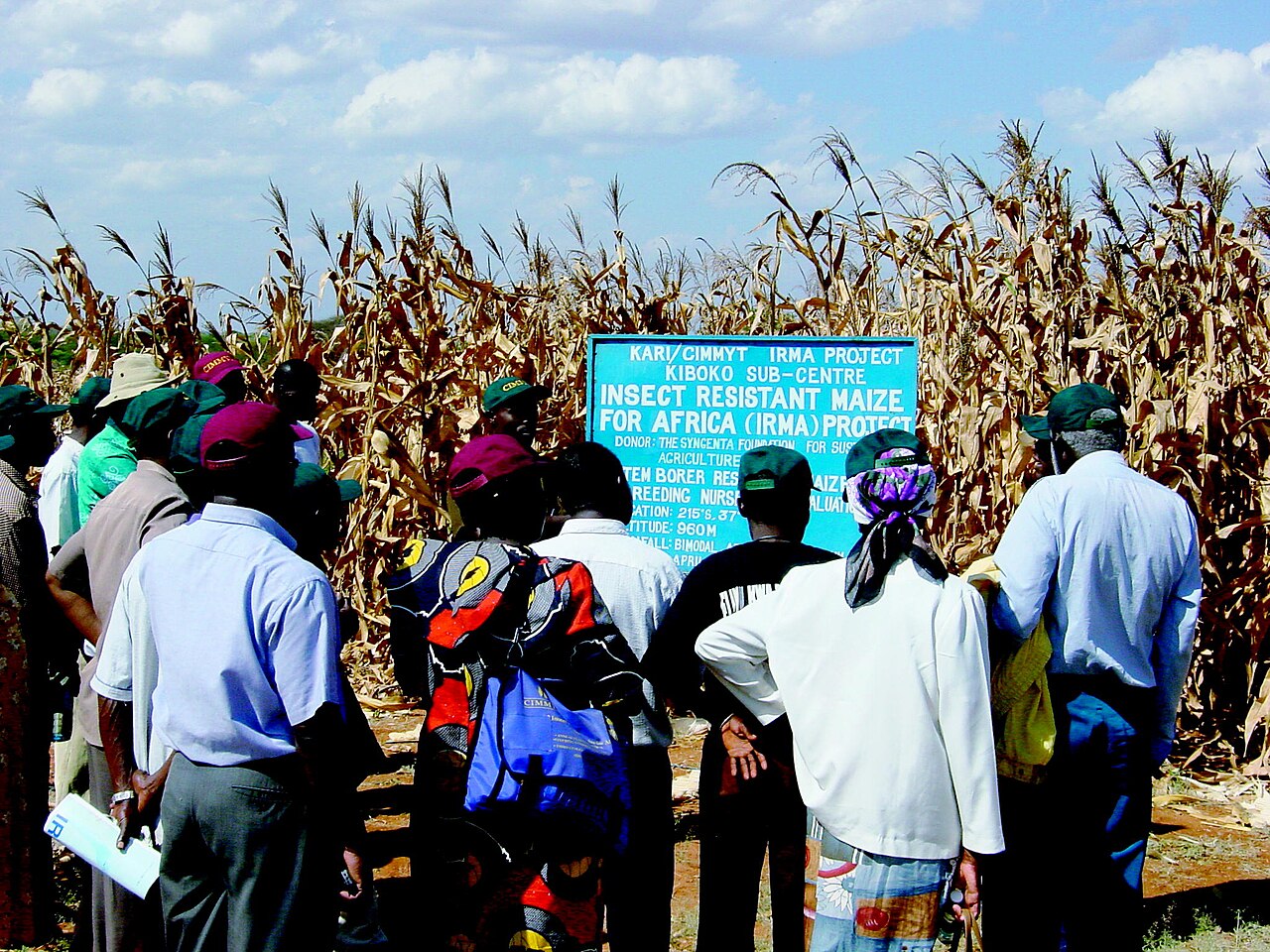
Bt maize remains an effective weapon against stem borers in South Africa, but growers who skip refuge planting are helping the pest catch up with it. That was the warning from agricultural entomologist Prof. Johnie van Rensburg at a Bayer discussion on insect resistance management.
He said populations of the maize stem borer Busseola fusca are showing emerging resistance to Bt maize, though the problem is still confined to limited areas, particularly in parts of the Eastern Cape. The crop itself has not changed. "It is the insect that is becoming stronger," he said.
The defence is simple on paper. A refuge is a block of non-Bt maize planted alongside the Bt crop. Susceptible insects survive there and mate with any resistant insects coming out of the Bt field, which keeps resistance from building up as quickly. The method only works if the Bt plants also produce enough toxin to kill susceptible borers. Van Rensburg named poor refuge compliance, and possibly too little toxin expression, as factors behind the resistance.
He urged farmers not to give up on refuges just because resistance has been found somewhere. Resistance in one area does not mean heavy losses in Bt fields, he said, and many production regions have recorded none. Bt maize also still controls other important stem borer species.
The gains at stake are large. Van Rensburg cited research showing an average yield gain of 11 percent a year over 20 years and R21 billion in combined income benefits for South African maize farmers. Over a 15-year period, about 20 million hectares went unsprayed, sparing beneficial organisms from broad-spectrum insecticides.
Francois Wolvaardt, DEKALB seed and trait business portfolio manager for Africa, said about 80 percent of South Africa's maize area is planted with biotechnology products for insect control or herbicide tolerance. The speakers came from an industry event hosted by Bayer, and the seed trade has its own stake in the trait lasting. Sufficient refuges, Wolvaardt said, are the most important thing the industry and farmers can do to protect it.
The report was written by Patricia Tembo for Food for Mzansi.
Photo: Dave Hoisington / CIMMYT / Wikimedia Commons (CC BY 2.5)
Source: Food for Mzansi

Comments
(0)