
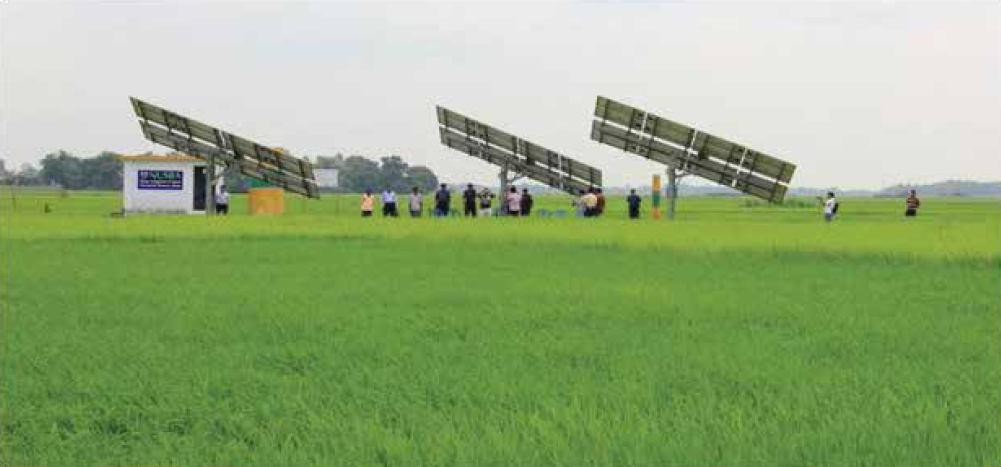
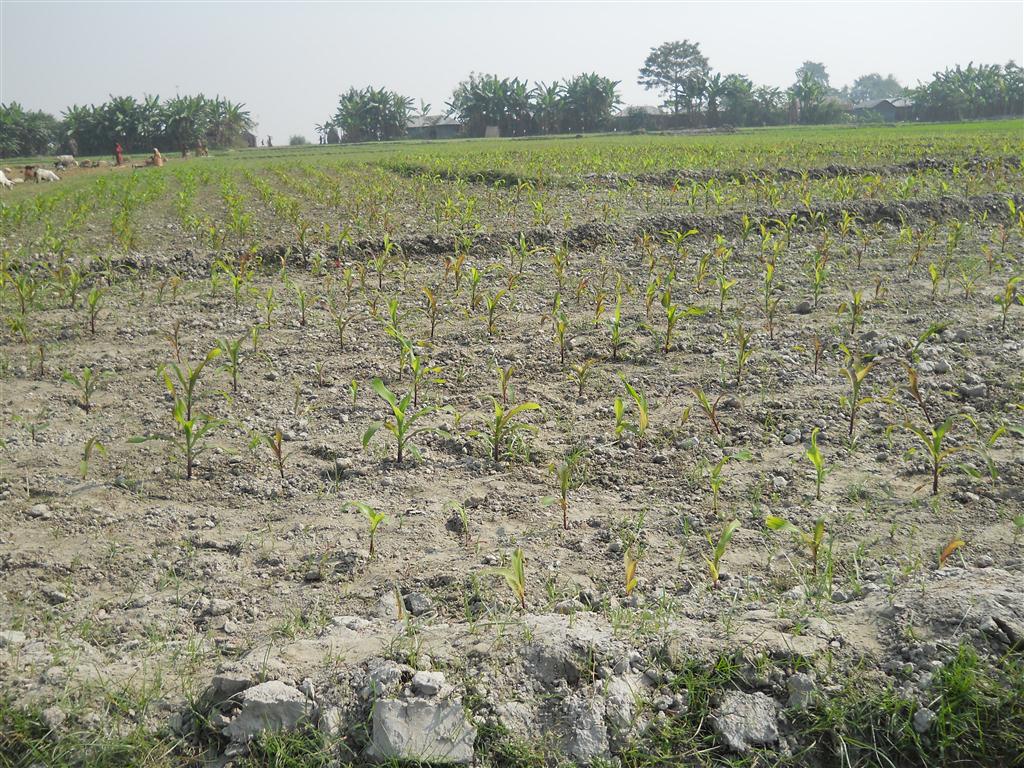
The development organisation BRAC built a solar-powered mobile irrigation pump for farmers in the Nilganj area of Kalapara upazila in Patuakhali, Jagonews24 reported on 4 May 2025. Made for watering fields in the dry season, the pump can be set up easily almost anywhere to lift water from a pond, canal or reservoir using solar power. It had already become popular with local farmers. According to those involved, building one costs Tk 7 lakh to Tk 9 lakh depending on its size.
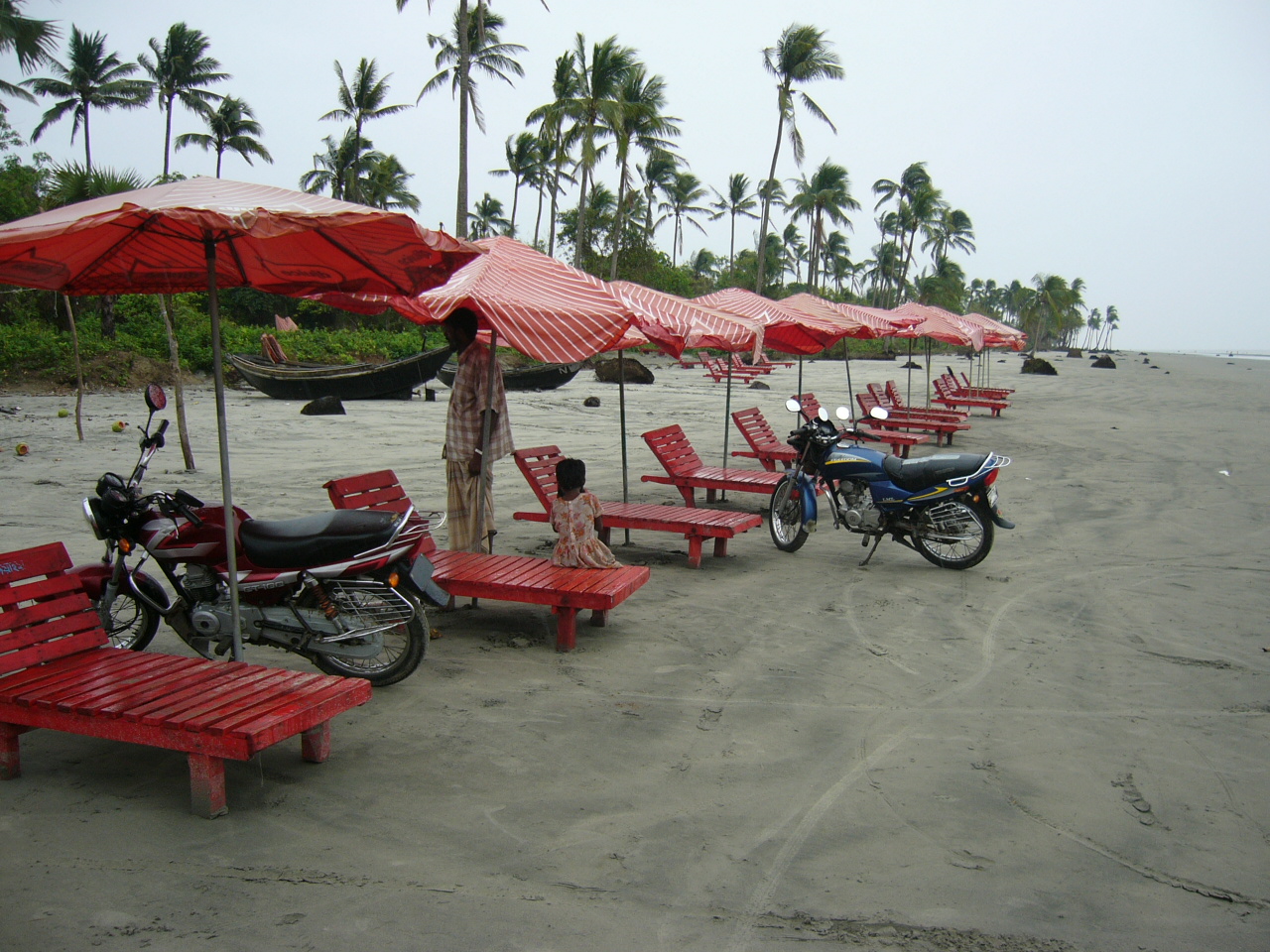
Kalapara is a coastal upazila of Patuakhali district covering 491.89 square kilometres, with a population of 286,993 in the 2022 census. Nilganj is one of its 12 unions, and its main rivers are the Andharmanik, the Nilganj and the Dhankhali. The beach resort of Kuakata is also in Kalapara.
What the operator and farmers say
The pump's operator, Md. Sajib, told Jagonews24: "I now run the pump every day from morning to afternoon. Those who take water are happy. Their costs have fallen, and I earn some income too." The pump is mounted on an auto-rickshaw. When there is no irrigation work, Sajib said, he uses the same vehicle to carry passengers and farm produce, and farmers call him at the start of the season to transport fertiliser and seed.
Local farmer Nitai Chandra said that when his field needs water he phones Sajib, who arrives with the pump. Once the machine is set up on the bank of a canal or pond, solar power starts lifting the water. Costs are low and there is no trouble over transport, he said, calling it a very useful technology for farmers.
How BRAC's mobile solar system works
Tousif Ahmed Qureshi, senior programme manager of BRAC's Climate Change Programme, said farmers were facing new challenges because of climate change, and that the solar irrigation technology was not only making farming easier but also cutting costs and opening new ways to earn. BRAC planned to expand it step by step to other parts of the country, he said.
A year earlier, in May 2024, staff of BRAC's Climate Change Programme described the system in an article in The Business Standard. BRAC's Adaptation Clinic Project had irrigated farmers' fields in Patuakhali, Jamalpur and Satkhira with four mobile solar irrigation systems. Each has a 3.3 kW solar panel array, a 3 kW hybrid MPPT controller and a 3 HP centrifugal pump with 3-inch pipes. Because it is portable, one pump can serve five or six locations in a single season, with at least 18 to 20 farmers at each site. BRAC selects one farmer to operate the pump, who provides irrigation at a rent of around 30 percent of the cost of traditional irrigation.
Diesel irrigation and the push for solar pumps
Much of Bangladesh's irrigation still ran on diesel pumps at the time. Mongabay reported in May 2024 that diesel pumps account for 1.6 percent of the country's greenhouse gas emissions and that irrigation makes up 43 percent of total farming costs. IDCOL had by then installed 2,226 solar irrigation pumps, and the government planned 45,000 solar pump systems to replace 200,000 diesel pumps. Farmers quoted in the same report complained that solar pumps could not run at night or on hazy days, so water did not always arrive on time. Because it can be moved from one canal or pond bank to another, a mobile pump can serve farmers in several places in one season.
Photo: Power Division, Government of Bangladesh / Wikimedia Commons (CC BY-SA 4.0)
Sources: Jagonews24, The Business Standard, Mongabay, Wikipedia

Comments
(0)