
Three animals in three separate herds in counties Wexford, Wicklow and Kildare have tested positive for bluetongue virus serotype 3 (BTV-3), Ireland's Department of Agriculture, Food and the Marine (DAFM) has confirmed. The animals showed clinical signs and were tested for that reason.
The confirmed cases this season now total five. The first, in early September, was an unvaccinated heifer in Co. Wexford; the second an unvaccinated cow in a Kildare herd that developed clinical signs including abortion.
"If you have any concern that one of your animals has bluetongue, do not delay in taking action," the department said. "Isolate the suspect animal(s) indoors immediately and report the case to the Department of Agriculture Food and the Marine." Farmers, vets and other stakeholders were told to remain vigilant for transmission.
The pressure is coming from across the Irish Sea. Since the start of July there has been an increase in confirmed BTV-3 cases in cattle and sheep in England, some with significant clinical signs. Livestock owners are advised to talk to their vet about vaccination, bearing in mind that full immunity takes about six weeks in cattle and three weeks in sheep.
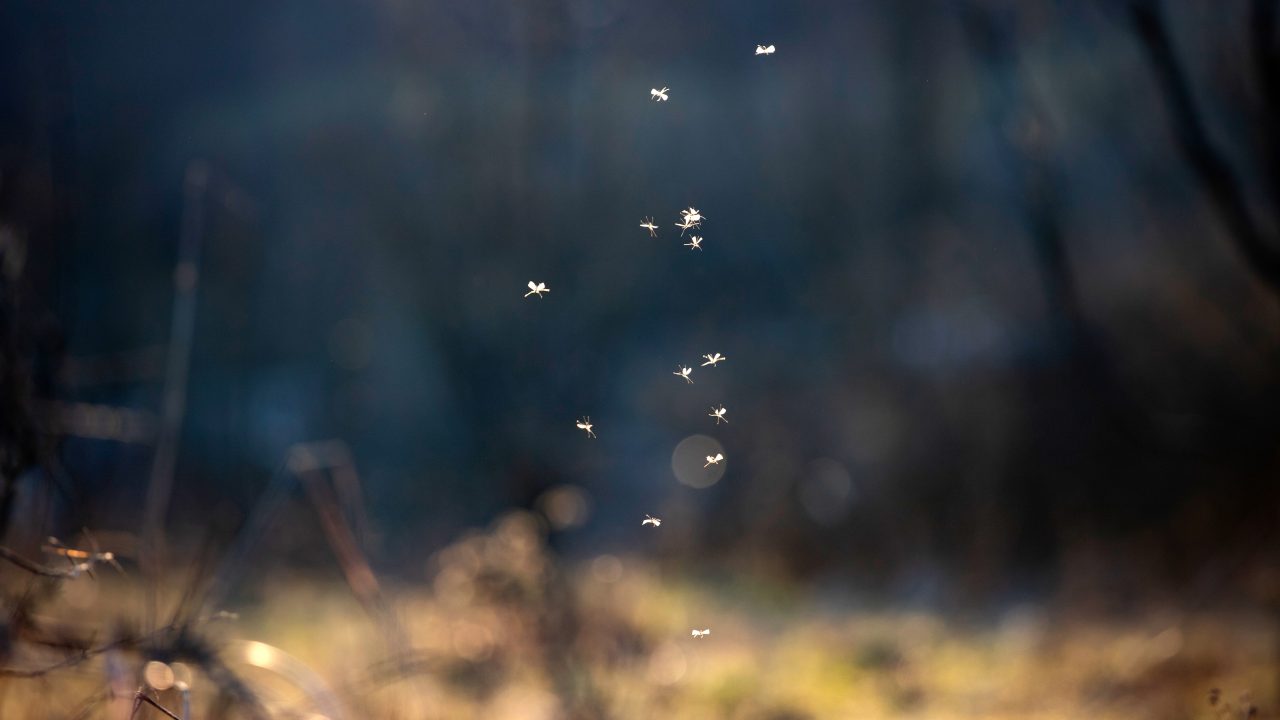
Dr Avril Hobson, senior superintending veterinary inspector at the National Disease Control Centre, told Agriland that Wales and south-west England are seeing "a significant number of cases". "The infection pressure over in England and Wales is much higher than it was this time last year. There's a much higher population of infected midges, so if the wind conditions are correct and blowing in that north-west direction, then there's more infection pressure being blown across to infect animals," she said, adding that the number of cases found is really a function of how many are notified. Joe Griffin reported for Agriland.
Source: Agriland
Comments
(0)