
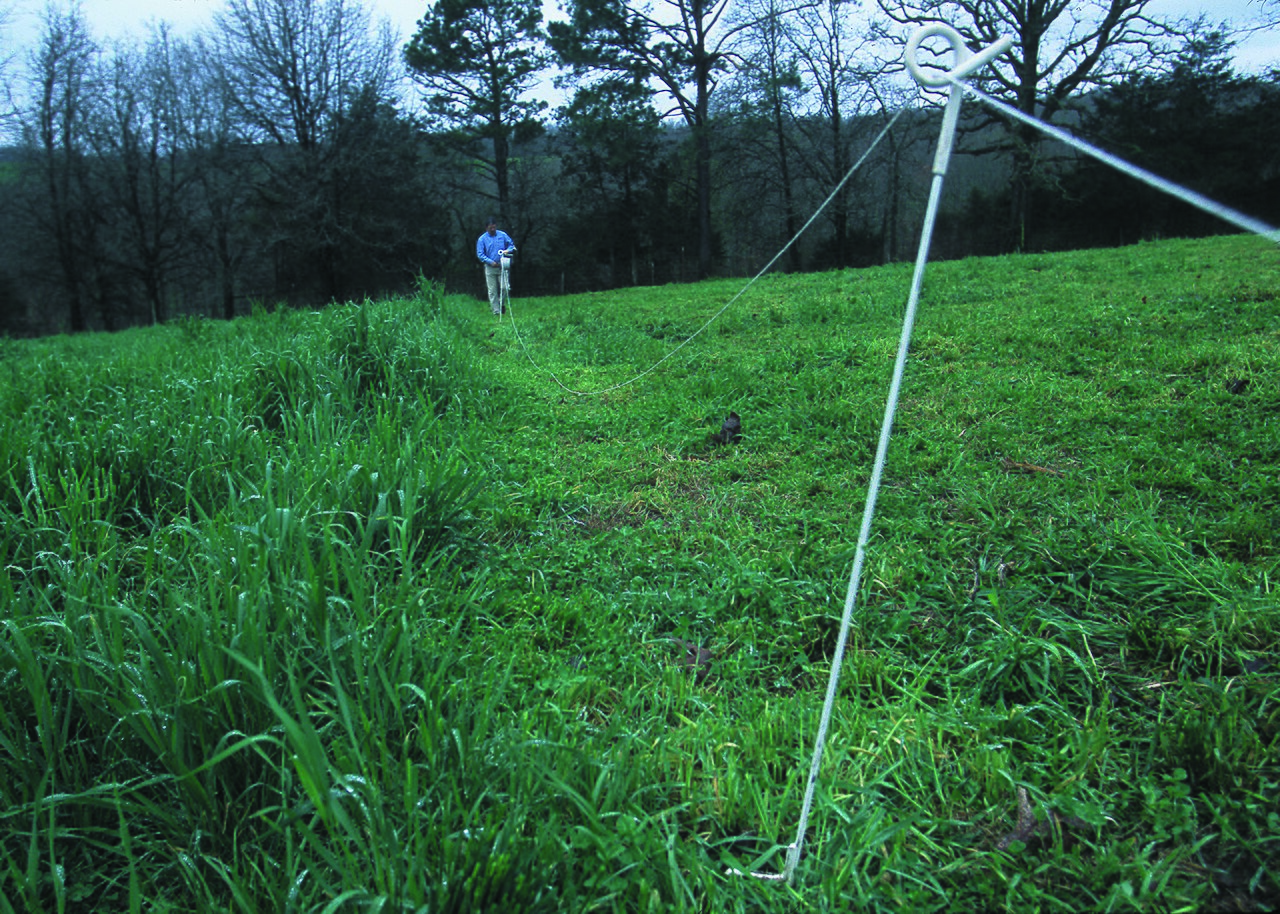
Dry weather leaves little room for error on grazing land, says the University of Arkansas Division of Agriculture, which has set out practices to help livestock operations withstand drought and recover faster, Farms.com reports.
The first step is to let forage plants rest. Continuous grazing stresses weakened plants and slows regrowth, while rotational grazing limits livestock to one area at a time. When forage runs short, producers may need to move animals into a designated field or sacrifice area and feed hay.
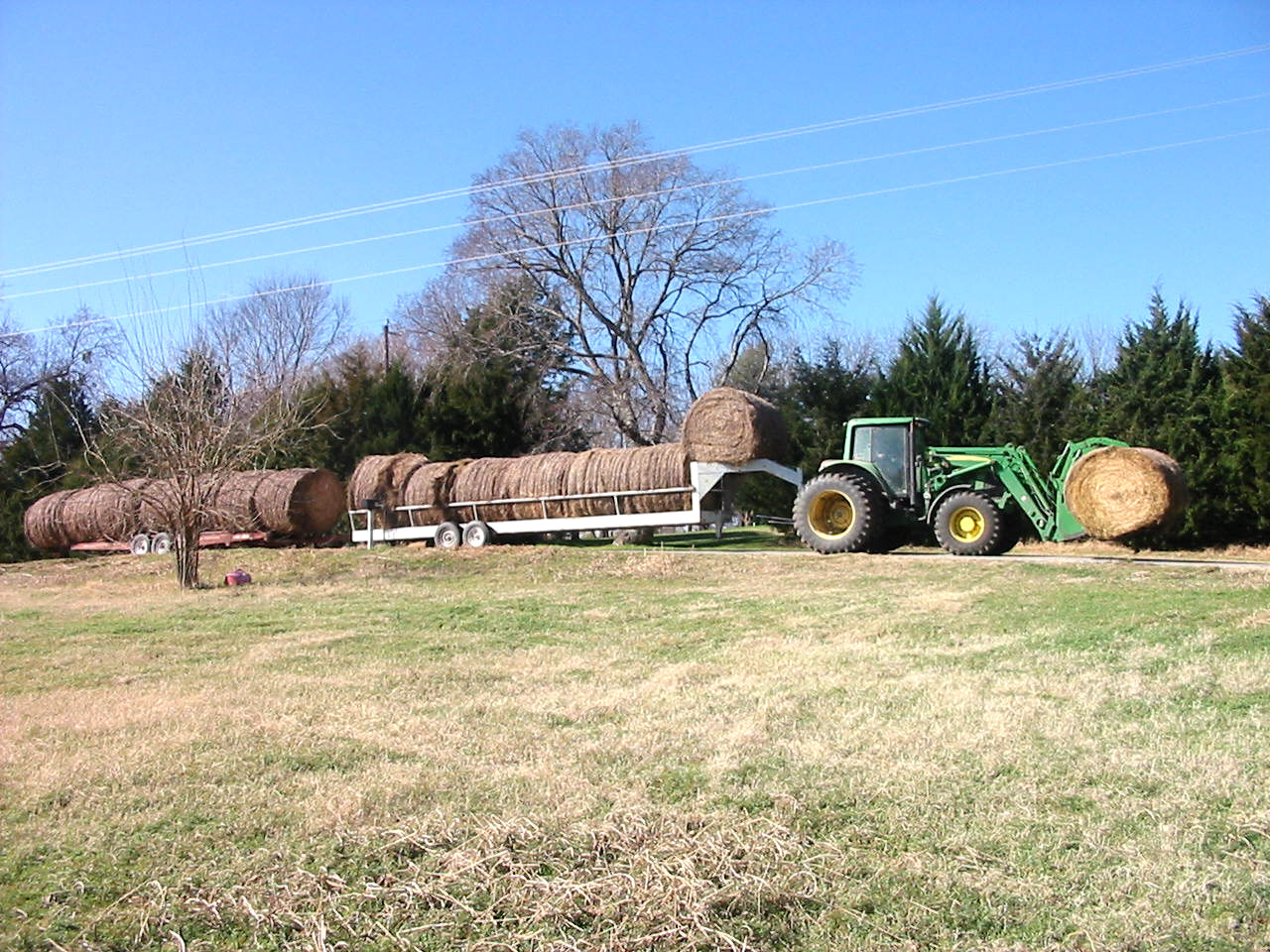
Hay feeding can also help the land, because nutrients return to the soil through manure and leftover plant material. "Move the hay feeding spot each time you put out a new bale," said Kenny Simon, the university's extension forages instructor. He advises starting in the lower parts of the farm while it is dry and working toward higher ground.
Planning ahead matters too. Winter annual forages such as ryegrass, wheat, cereal rye, oats and triticale can provide grazing in late winter and early spring and fill the gap that often follows drought. Earlier planting generally gives better winter growth and spring grazing, though later plantings can still help when conditions allow. Ryegrass and oats can also give an extra hay harvest.
Specialists encourage producers to check pastures regularly, adjust grazing plans and consider extra forage before shortages become severe.
Photo: Jeff Vanuga, USDA NRCS / Wikimedia Commons (Public domain)
Source: Farms.com
Comments
(0)