
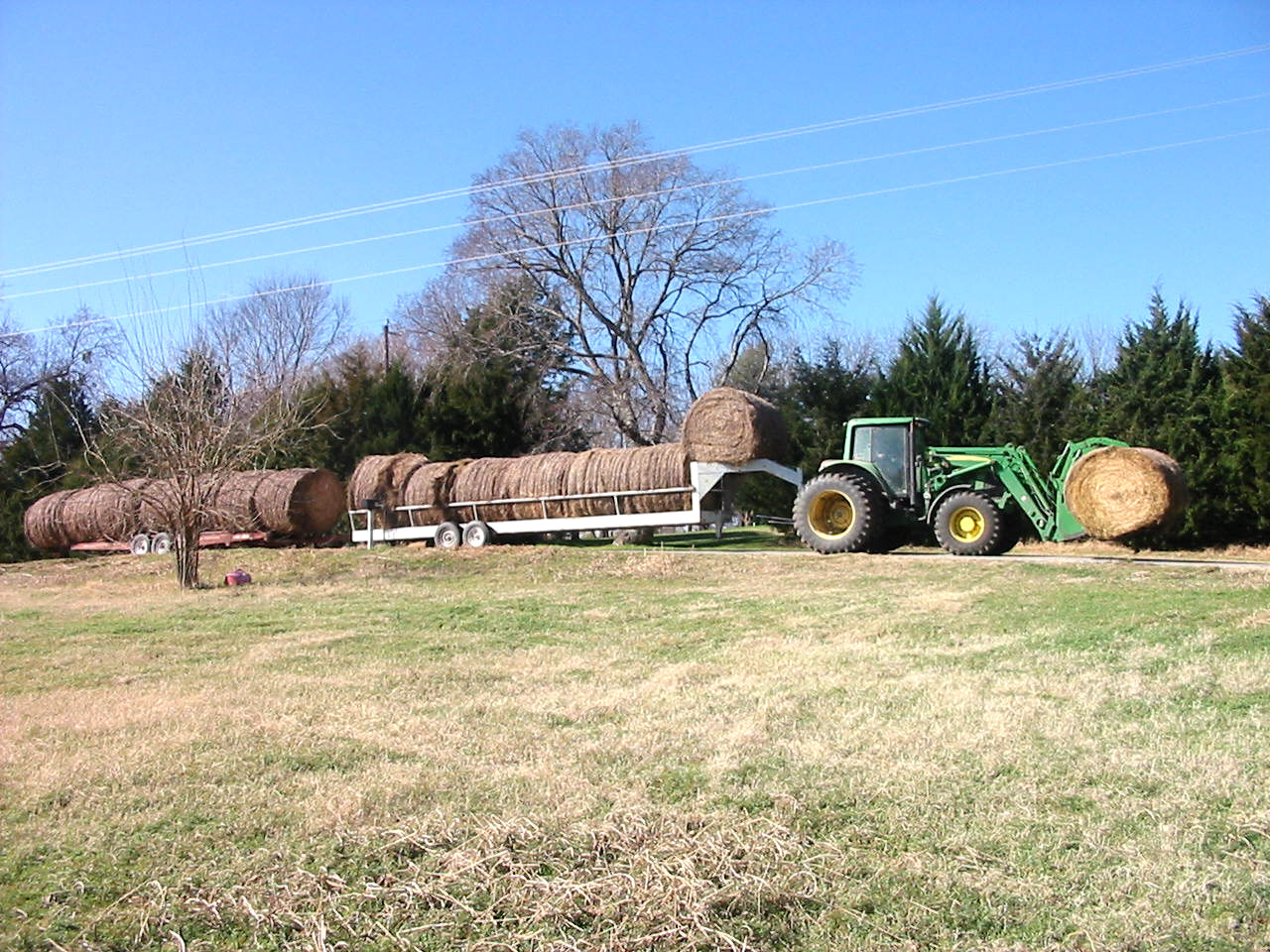
Texas hay production has been highly uneven this season, with rain and pests leaving livestock producers in very different positions heading into winter, Farms.com reports.
Where rain came on time, yields were generally good and stocks were built early. Many farms then faced dry weather later in the year. "Depending on location, for those who have had rainfall, we've seen some good hay produced," said Vanessa Corriher, AgriLife Extension forage specialist at Overton. "However, those with pasture mealybug will be relying on last year's hay."
Pasture mealybug, which damages forage grasses, was one of the biggest concerns. Fall armyworms also appeared in several areas and needed active control.
Chadd Caperton, AgriLife agent for Brazos County, said producers there still had a pretty decent season, with some feeding hay in the dry period and using syrup tubs and tanks to cut the amount needed. Elsewhere, long dry spells limited cuttings and forced operators to start feeding hay earlier than usual.
Pasture conditions ranged from very poor to excellent. Winter wheat planting went ahead across much of the state, though dry soil delayed it in places. Cattle generally held good body condition.
Specialists say winter feeding plans should follow local conditions. Producers who rely on stockpiled pasture, rather than mostly on hay, should check supplies carefully where drought or mealybug has cut growth.
Photo: Herbert Smith / Wikimedia Commons (Public domain)
Source: Farms.com
Comments
(0)