
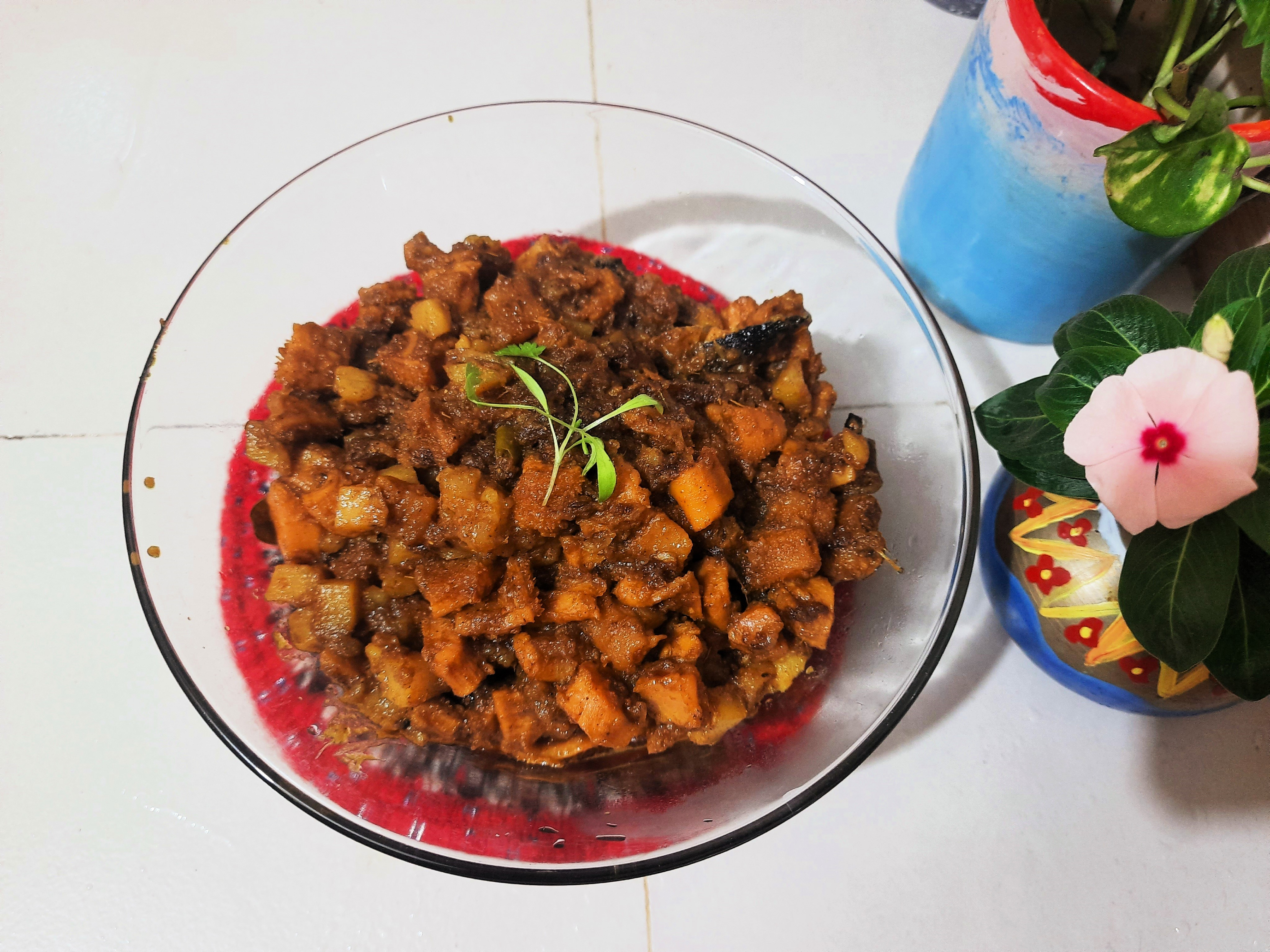
On 29 May 2026 the lifestyle desk of Jagonews24 published a simple recipe for beef tripe bhuna (bhuri bhuna) cooked at home. Tripe is a popular and tasty dish for people who like hot, spicy home-style cooking. Many think it is hard or slow to cook, the recipe said, but with a few simple steps and the right spices it turns soft, flavourful and fragrant, much like a restaurant dish.
What tripe is
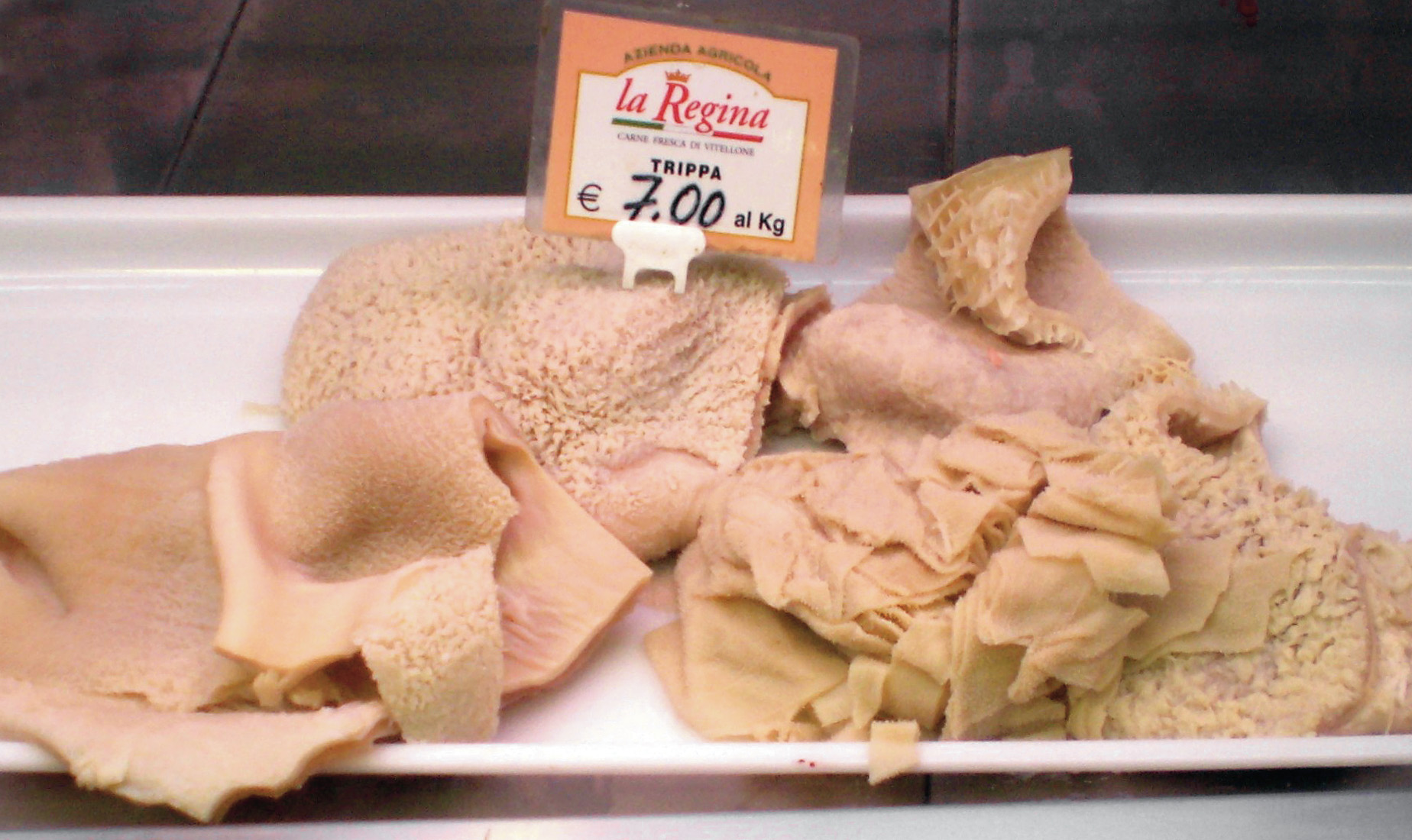
Tripe is the stomach of ruminants, the cud-chewing animals, prepared as food. Most tripe comes from cattle and sheep, though the stomachs of goats and other ruminants are eaten too. Beef tripe comes mainly from the first three of the cow's four stomach chambers: the rumen, the reticulum and the omasum. Tripe from the reticulum has a pattern of small cells, which is why it is called honeycomb tripe.
Cleaning is the most important step before cooking. To prepare tripe commercially, the stomachs are cleaned and the fat is trimmed off; the tripe is then boiled and bleached, which gives it the white colour seen on market stalls.
Ingredients
- 1.5 kg tripe
- Half a cup of oil
- 2 cups onion
- 2 tablespoons ginger-garlic paste
- 1 teaspoon garam masala powder
- 1 tablespoon turmeric powder
- 1 tablespoon chilli powder
- 1 tablespoon coriander powder
- 1 tablespoon cumin powder
- 4 to 5 dried or green chillies
- 2 cups water
- Salt to taste
Method
- Clean the beef tripe thoroughly and wash it.
- Heat the oil in a pan and lightly fry the onion and ginger-garlic paste over medium heat.
- Add a little water and stir, then add the ground spices and salt one by one. Stir well, cover and let the spices cook on low heat for a while.
- When the spices are well cooked, add the cleaned tripe and stir-fry it for 5 to 6 minutes, stirring often.
- Add about 2 cups of water, cover and cook on low heat. Lift the lid now and then and stir so that it does not stick to the bottom.
- When the water has reduced, sprinkle in roasted cumin powder and a little garam masala and mix well.
With gravy or dry
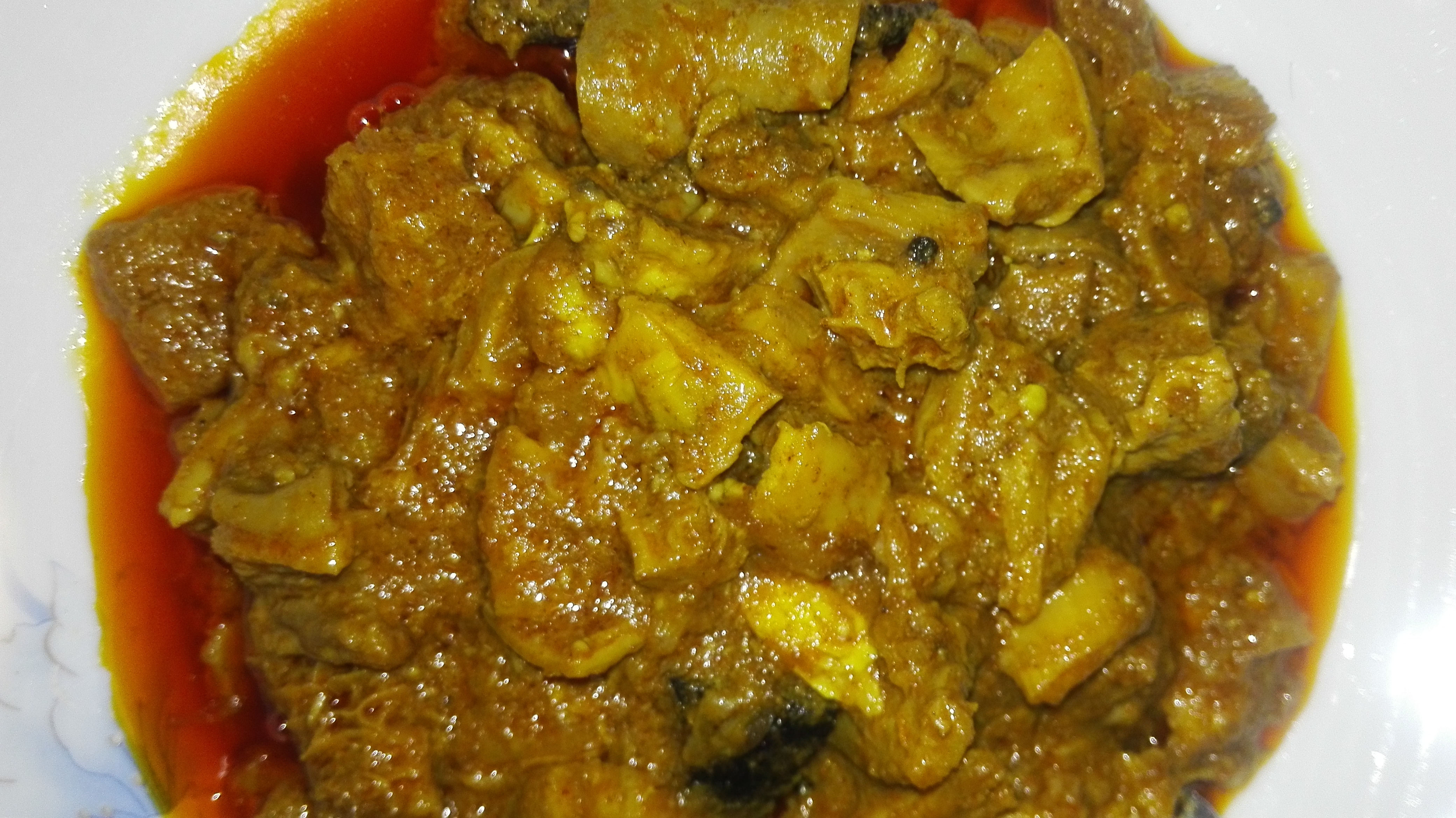
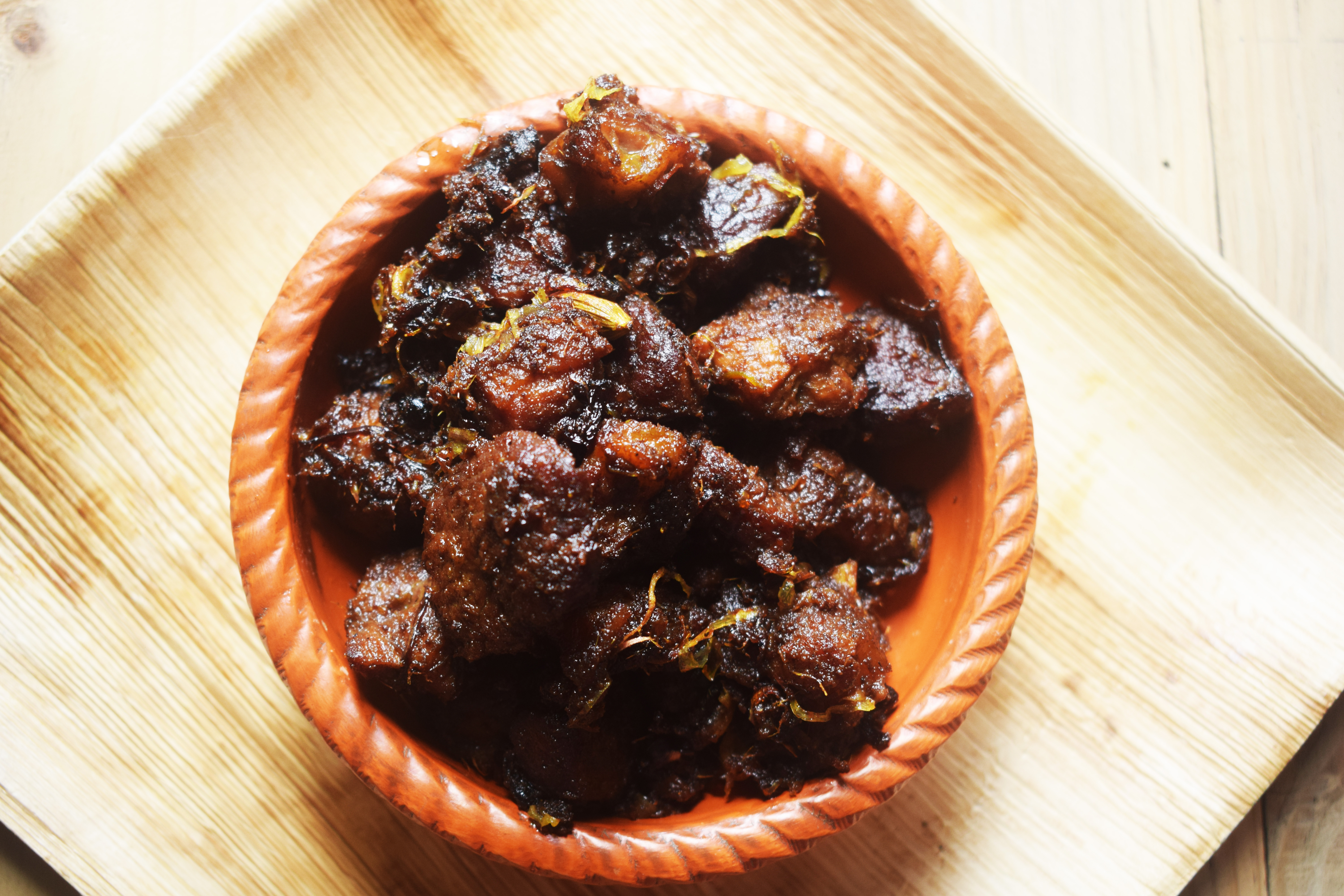
For a little gravy, add some hot water at this stage, raise the heat slightly and stir constantly for 5 minutes. For a completely dry bhuna, lower the heat and fry for another 7 to 8 minutes, until the tripe starts to darken. Take it off the heat and serve hot. Tripe bhuna goes well with rice, roti or paratha.
Bhuna is a familiar cooking technique from Bengal. An onion, garlic and ginger paste is first fried in oil to make a thick base, then the meat is braised in it for a long time while the sauce reduces. That is why a bhuna is a fairly dry curry with a dark colour and rich flavour. Bangladesh has several kinds; beef kala bhuna is often eaten at mezban feasts, Muslim weddings and on holidays.
Cooking and storing it safely
Tripe is an animal's stomach, so it must be cooked thoroughly. The UK Food Standards Agency, in its cooking guidance published in 2017, says kidney, liver and other types of offal should be cooked until they are steaming hot all the way through. Its other advice includes:
- Food is fully cooked when the middle reaches 70°C for 2 minutes; without a thermometer, cut into it and check that steam rises from the middle.
- Cool cooked food and put it in the fridge within two hours, and eat leftovers within 48 hours or freeze them.
- Reheat leftovers only once, and heat them until steaming hot throughout.
The World Health Organization's Five Keys to Safer Food (2006) sum up the same habits: keep clean, separate raw and cooked food, cook thoroughly, keep food at safe temperatures, and use safe water and raw materials.
Photo: Sadiikul / Wikimedia Commons (CC BY-SA 4.0)
Sources: Jagonews24, UK Food Standards Agency, World Health Organization (WHO), Wikipedia

Comments
(0)