
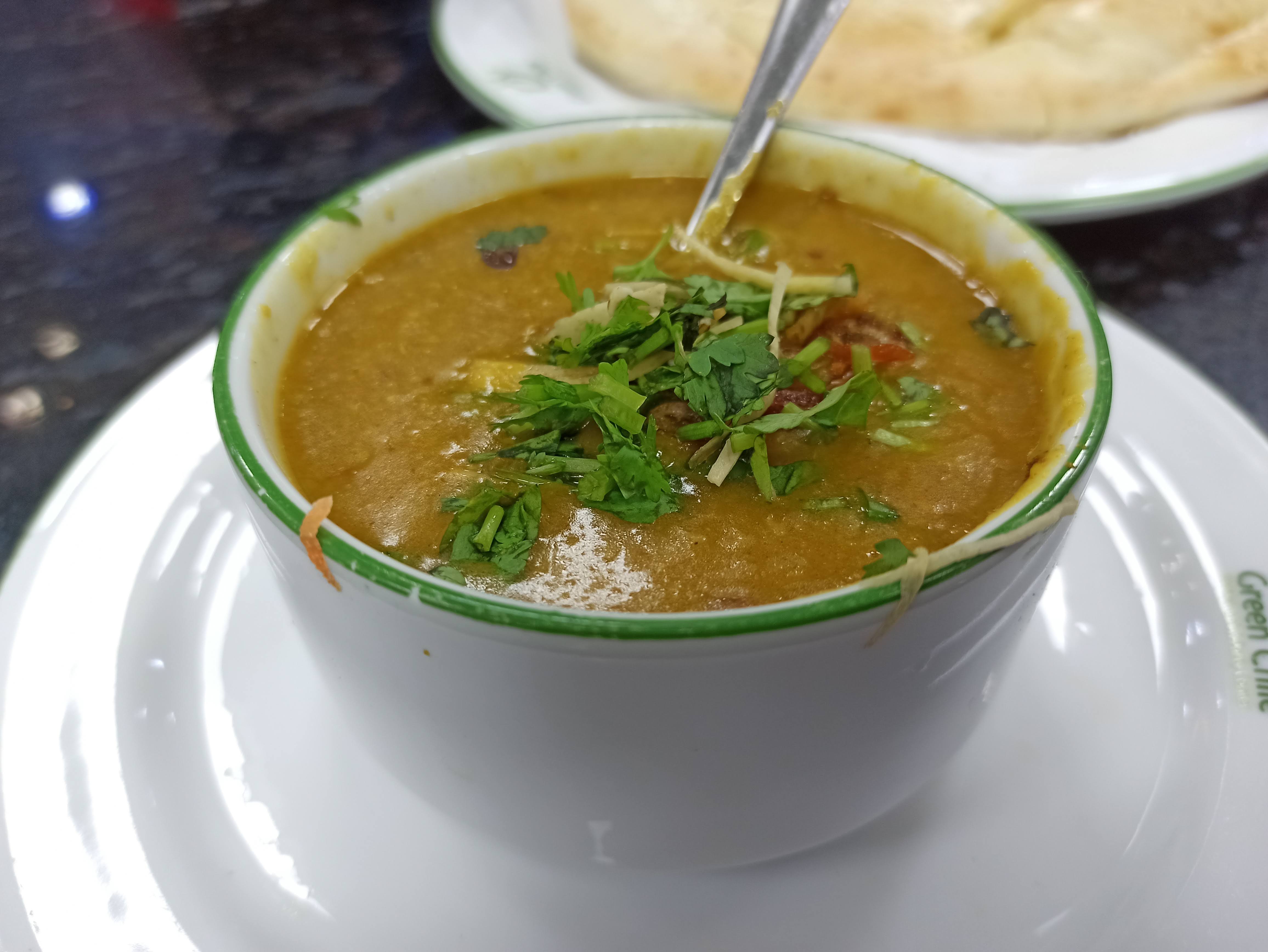
On 31 May 2026, during Eid ul-Adha, the lifestyle desk of Jagonews24 published a recipe for haleem made with beef skin. The paper wrote that alongside the many dishes cooked from sacrificial beef, the thick parts attached to the hide, or certain parts of the skin, are often cooked separately, and that beef skin haleem is a popular traditional dish in various regions of Bangladesh. The dish combines long-boiled skin, lentils and spices. Below are the recipe's ingredients and steps, with food safety advice from the World Health Organization (WHO).
What haleem is
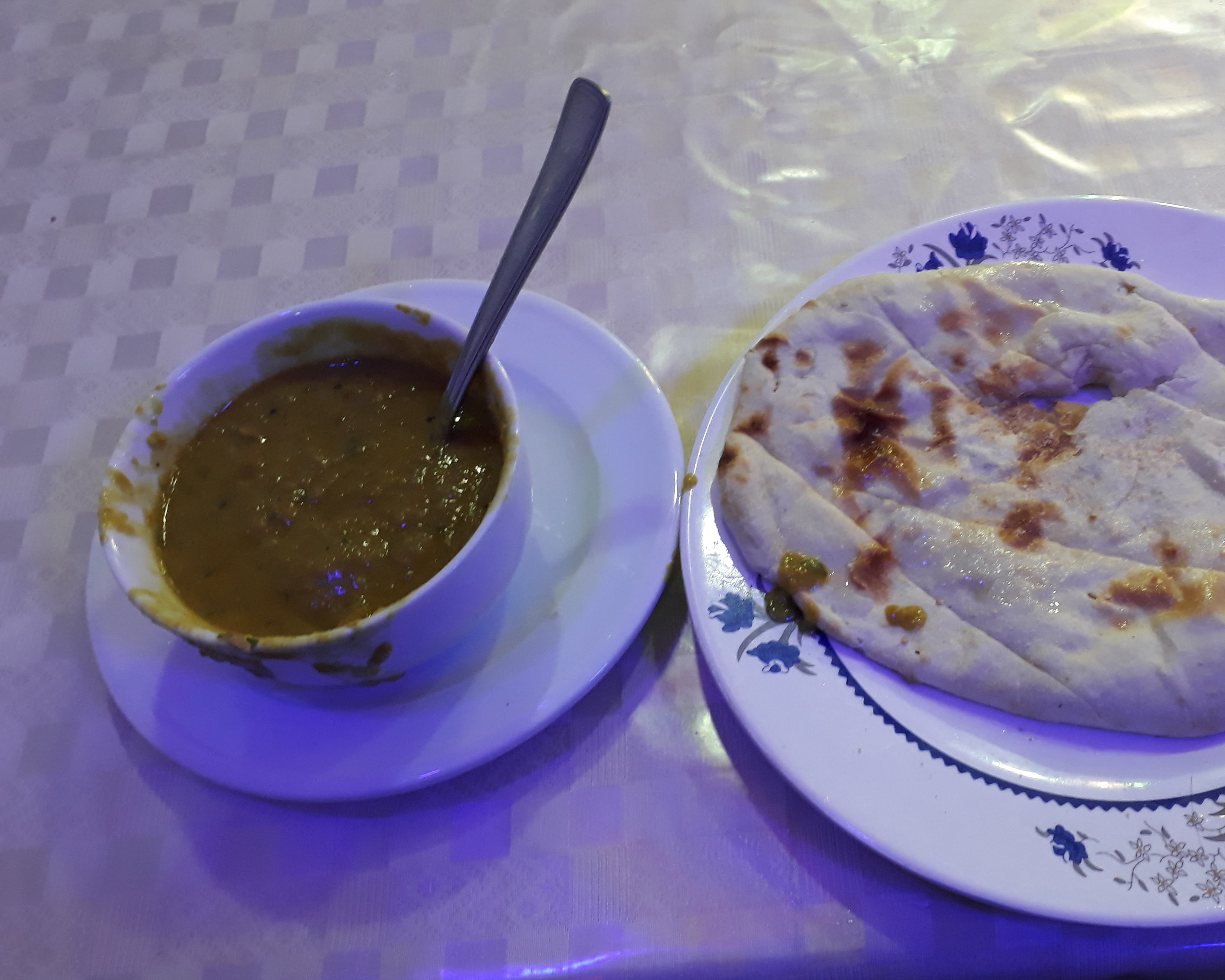
Wikipedia describes haleem as a stew widely eaten in West, Central and South Asia. It is usually made with wheat or barley, lentils and meat, slow-cooked for seven to eight hours and then beaten vigorously into a paste-like consistency. It is generally thought to have evolved from the Arab dish harees. In Bangladesh, haleem is a staple especially during Ramadan, and the Bangladeshi version keeps the meat and bones as small pieces instead of mashing them into the lentils. The Jagonews24 recipe uses pieces of boiled beef skin in place of meat, and polao rice in place of wheat or barley.
Ingredients
- Beef skin: 1 kg (cut into small pieces)
- Haleem spice mix: 1 packet
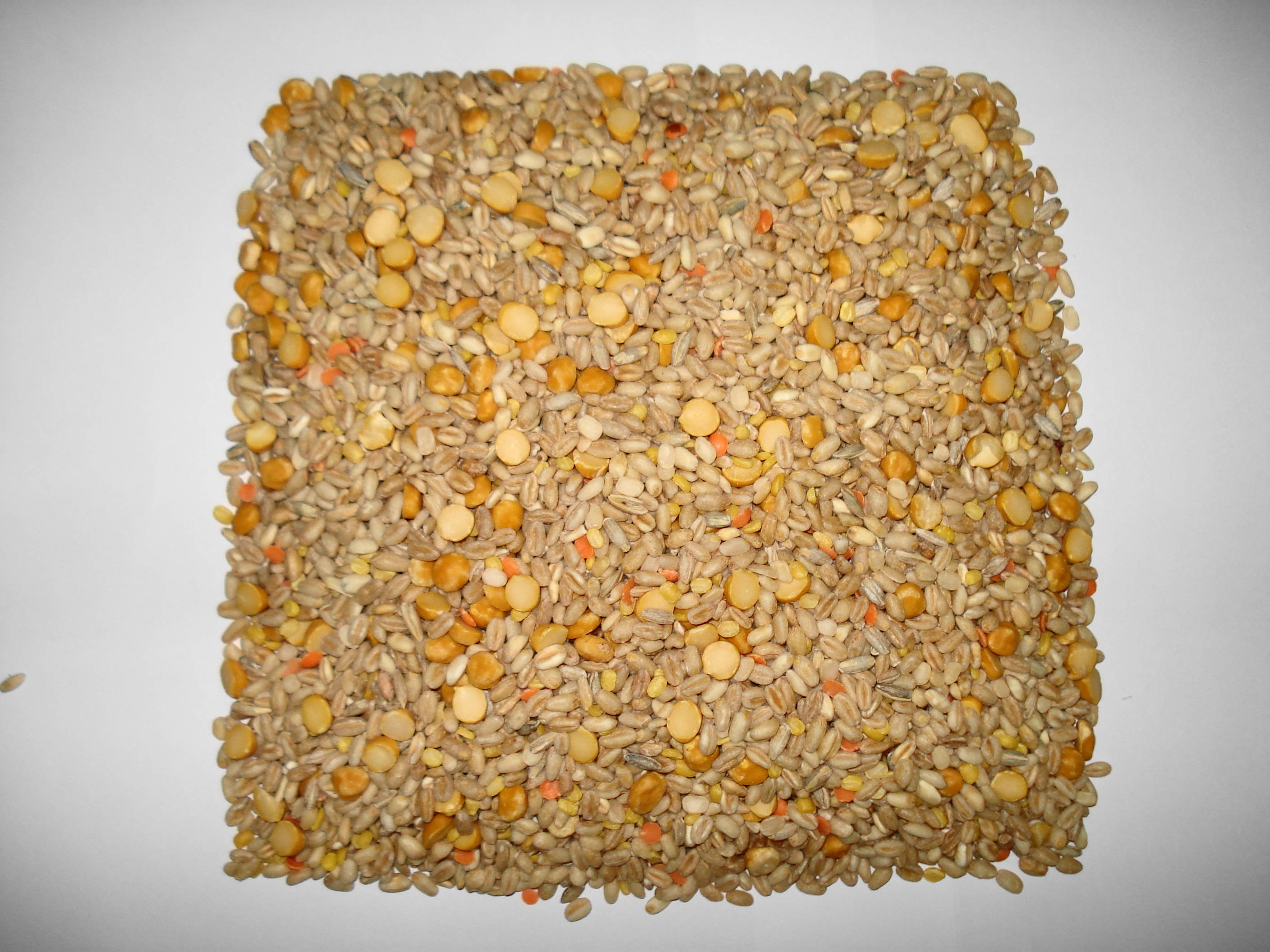
- Lentil and rice mix: 1 cup (mung, masoor, mashkalai and chickpea lentils with polao rice)
- Chopped onion: 2 cups (1 cup for frying crisp, 1 cup for cooking)
- Ginger paste: 2 tablespoons
- Garlic paste: 1.5 tablespoons
- Turmeric powder: 1 teaspoon
- Chilli powder: 1.5 teaspoons
- Cumin powder: 1 teaspoon
- Coriander powder: 1 teaspoon
- Garam masala powder: 1 teaspoon
- Oil: 1 cup
- Ghee: 2 tablespoons
- Salt: to taste
Method
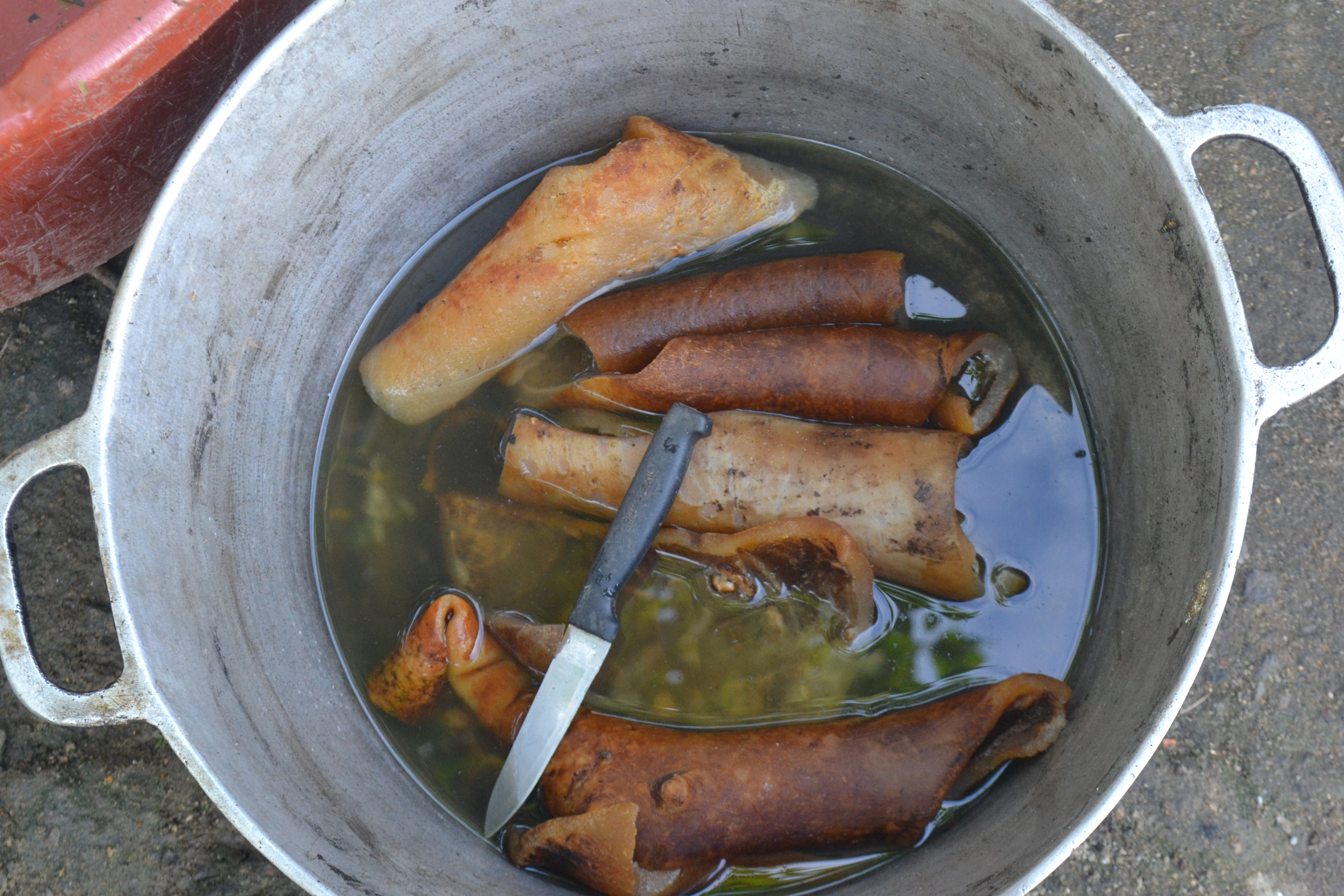
- Clean the skin: boil the beef skin in hot water for a while, then scrape the hair and dirt off the surface thoroughly with a spoon or knife. Cut the cleaned skin into small pieces and boil it in a pressure cooker for 4-5 whistles.
- Boil the lentils and rice: wash all the lentils and the rice together well and soak them for 30 minutes. Boil them thoroughly with enough water and a little salt and turmeric, then mash them partly with a lentil masher.
- Fry the skin: heat oil in a pot, fry the sliced onion until brown and lift it out as beresta (crisp fried onion). In the same oil, fry the ginger and garlic pastes, the turmeric, chilli, coriander and cumin powders and the packet haleem spice with a little water. Add the boiled skin and fry over medium heat for 10-15 minutes.
- Make the haleem: pour the boiled lentil mixture over the spiced skin and add 2-3 more cups of lukewarm water. Stir often so it does not stick to the bottom. Cook over low heat for half an hour, until the haleem turns sticky and thick. Sprinkle garam masala powder, roasted cumin powder and ghee on top and take it off the heat.
- Serve: top with fried onion, chopped coriander leaves, chopped ginger, green chillies and lemon juice, and serve hot.
Food safety in the kitchen
The WHO's "Five keys to safer food" say meat in particular should be cooked thoroughly, and foods like soups and stews should be brought to the boil to make sure they have reached 70°C. The organisation says proper cooking kills almost all dangerous microorganisms, and that raw meat and its juices can carry microorganisms that may pass to other foods during preparation and storage. These rules help when cooking haleem at home and keeping it for later:
- Wash your hands before handling food and often while cooking; wash and sanitise all surfaces and equipment used.
- Keep raw meat separate from other foods, and use separate knives and cutting boards for raw foods.
- Use safe water and choose fresh, wholesome raw materials.
- Do not leave cooked food at room temperature for more than 2 hours; refrigerate it promptly, preferably below 5°C.
- Keep cooked food piping hot (above 60°C) until it is served, and reheat leftovers thoroughly.
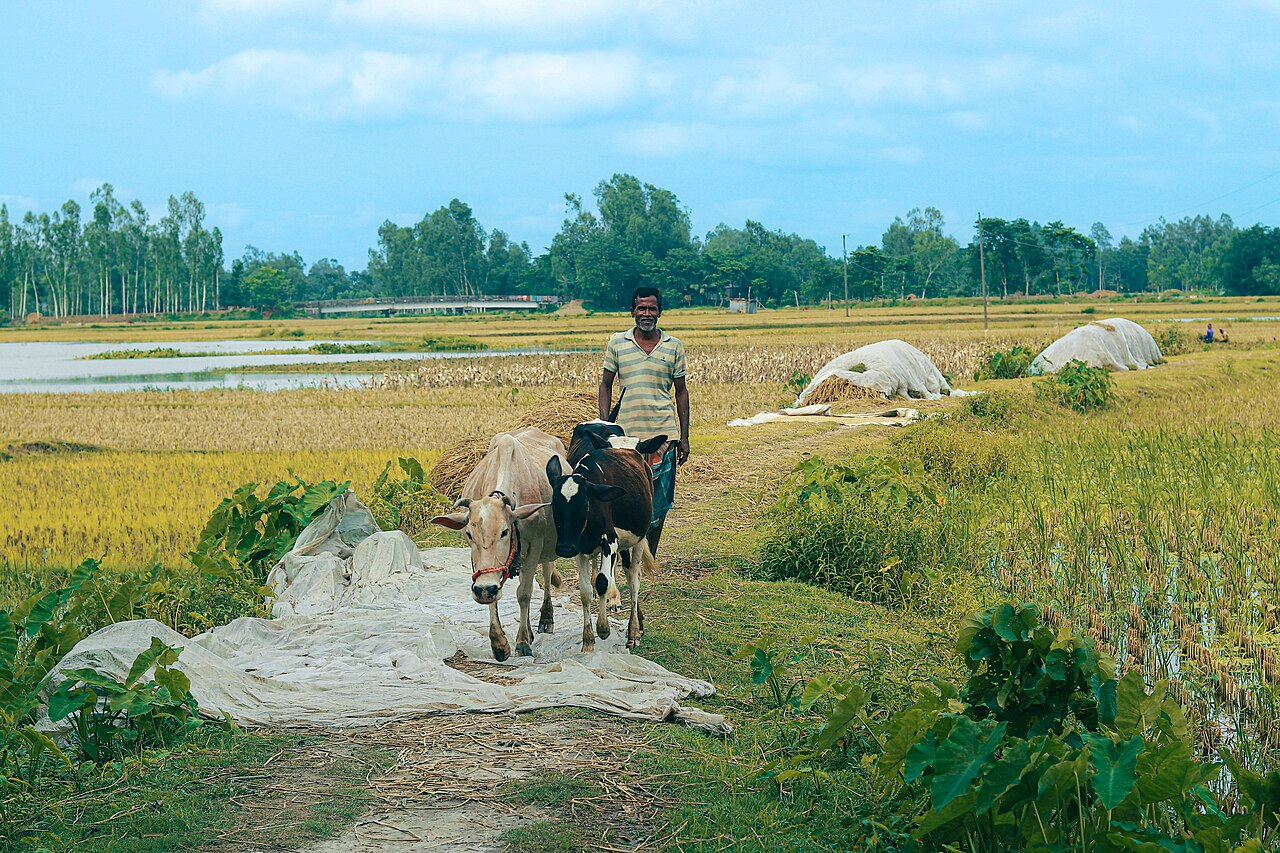
Photo: Shrabanmonir / Wikimedia Commons (CC BY-SA 4.0)
Sources: Jagonews24, World Health Organization (WHO), Wikipedia
Comments
(0)