
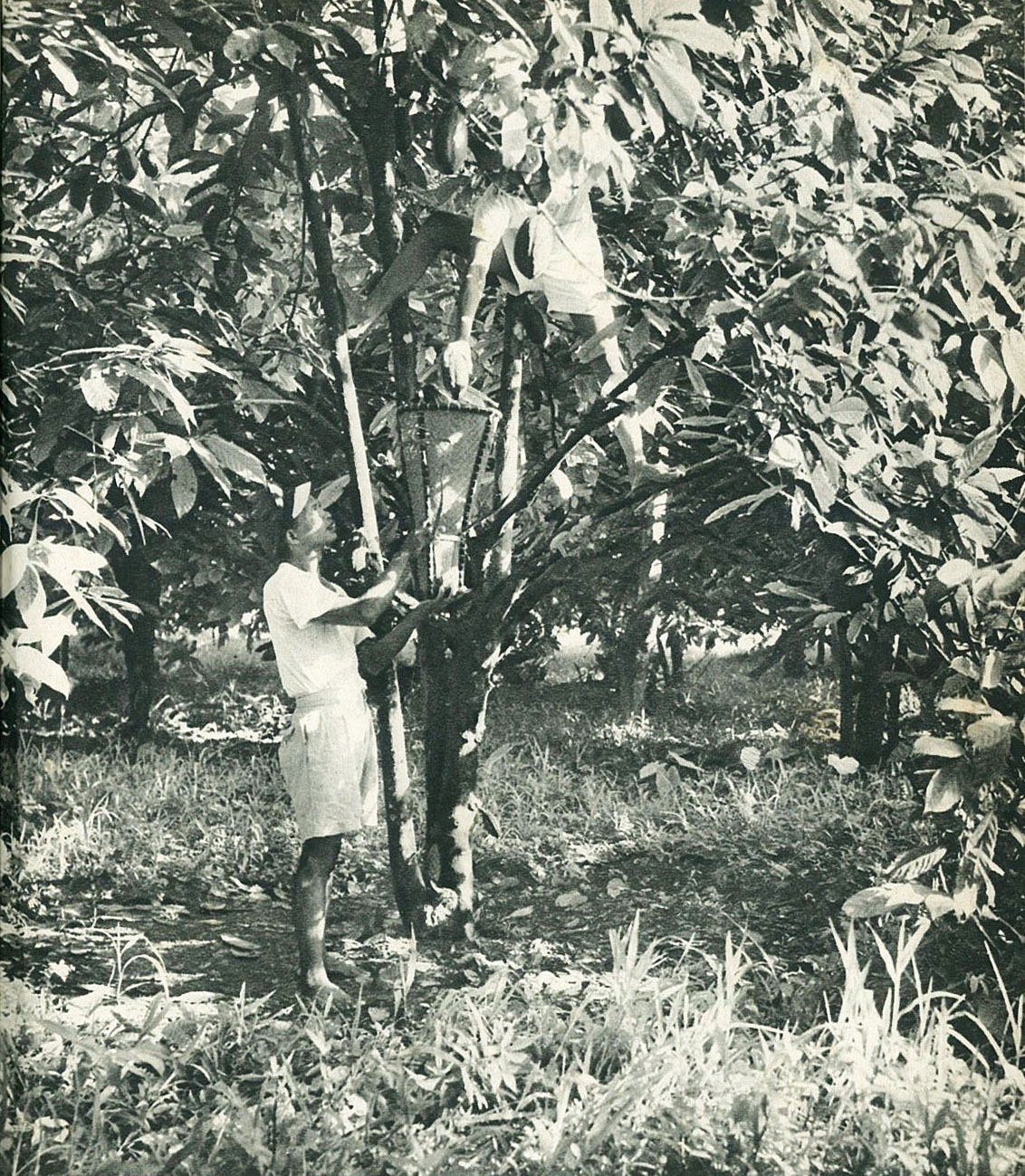
Volatility will remain the defining feature of the cocoa industry for some time, but the worst of the crisis is probably over, according to Angela Gubser, vice president for cocoa in Asia Pacific at Barry Callebaut, speaking after the Cocoa Association of Asia's International Cocoa Conference 2026 in Singapore. The big challenges usually arrive one at a time, she said, but in the past two years the industry was hit by everything at once.
Things are not back to normal, Gubser said, with El Nino still under way and the long-term effects of recent years yet to show. She stressed that the effects of volatility differ greatly between producing and consuming countries, and that in Asia Pacific the biggest impacts fall on producers. Soaring prices have spurred work on productivity, but higher market prices do not always mean higher incomes for farmers.
Indonesia, the region's biggest producer, shows the problem. It was once the world's third-largest cocoa producer, but output fell after disease hit the trees and farmers were offered more profitable crops such as oil palm. Unlike in West Africa, cocoa in Indonesia competes with durian, rice and oil palm, and Gubser said Asian farmers calculate carefully and switch when cocoa no longer pays for the effort.
There is hope of a revival. New varieties lower disease risk and promise higher yields, which make cocoa more profitable, and Gubser said the industry should back programmes on better agricultural practice that raise yields and returns. Only higher supply security can calm prices, she said, which is why the most important task now is investment in productivity, with the industry cooperating rather than competing.
She also pointed to the shortage of young farmers, a problem cocoa shares with many crops: unless farming cocoa becomes something people want to do, there will be no new generation to take it on. The report is by Pearly Neo for FoodNavigator.
Photo: Cocoa farmer in Indonesia (Indonesia Tanah Airku) / Wikimedia Commons (Public domain)
Source: FoodNavigator

Comments
(0)