
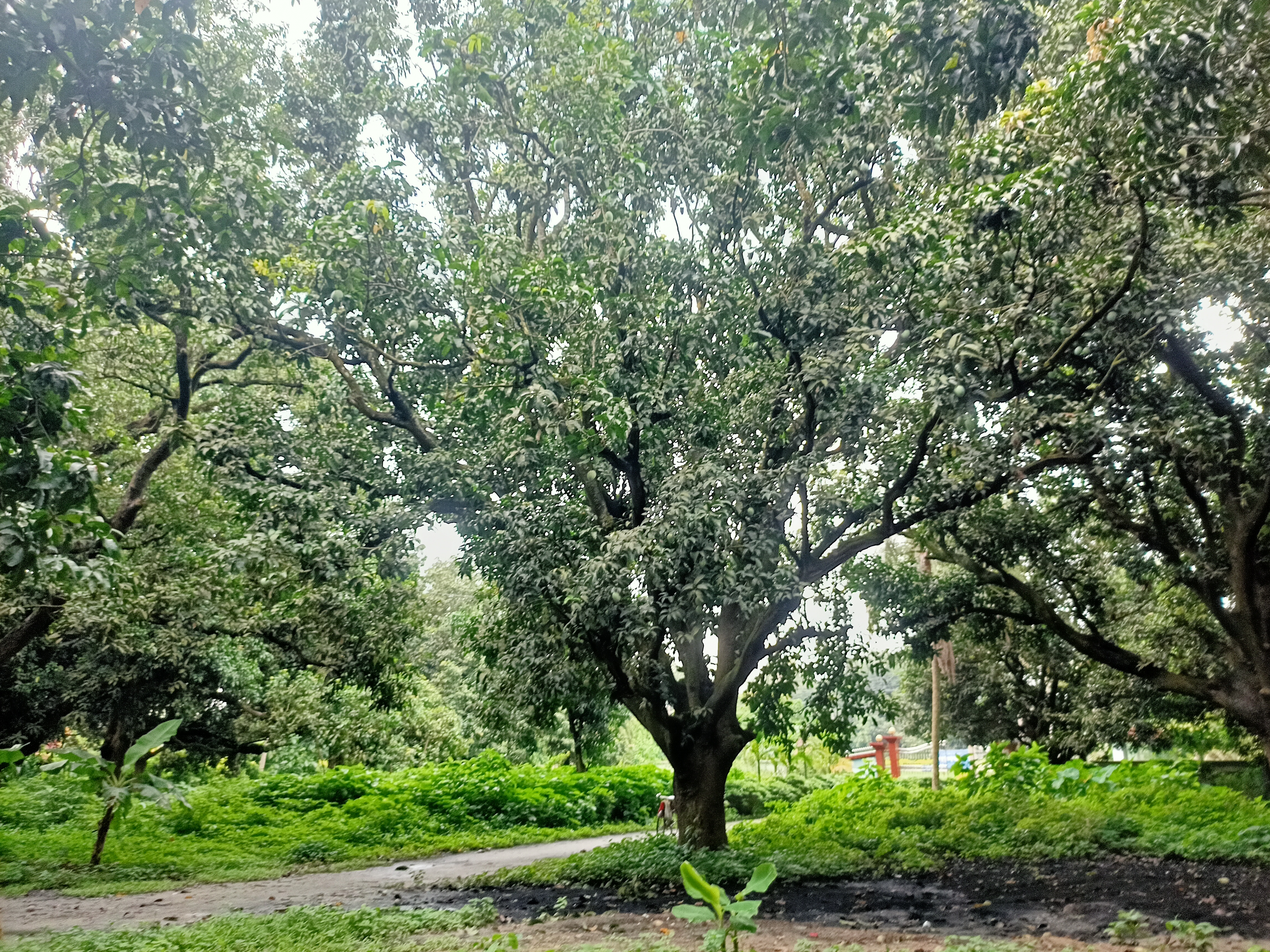
On 8 July 2026, Dr Md Sharaf Uddin, acting chief scientific officer of the Regional Horticulture Research Station in Chapainawabganj, told Jagonews24 that the Bangladesh Agricultural Research Institute (BARI) had developed a new late mango variety, BARI Mango-19. It fruits at the end of the season, in August, and had been proposed to the relevant authority for approval. If it was approved, he said, seedlings could be supplied to growers the following season.
Why an August mango
The researchers said growers were losing money because costs had risen while prices had not, as many varieties reach the market at the same time and supply swells. "Mango is the main cash crop of Chapainawabganj. The district's farm economy revolves around mango," Dr Sharaf Uddin said. He said the variety's yield, taste, storage life, disease resistance and adaptation to the country's weather had been tested over a long period. According to Jagonews24, the station's researchers had by then developed 16 mango varieties, and two more had come from other research stations.
Md Abdul Halim, additional deputy director (crops) of the Department of Agricultural Extension (DAE) in Chapainawabganj, said BARI-4 was then the most popular BARI mango, while demand for the institute's other varieties was comparatively low. BARI-19 would arrive around August, when supply usually falls, so growers could get better prices. The Daily Star reported in 2021 that BARI Aam-4, released in 2003 as a cross between the Florida mango M3896 and the local Ashwina, is on the market from late July through August, and was then grown on 4,000 to 5,000 hectares in the country.
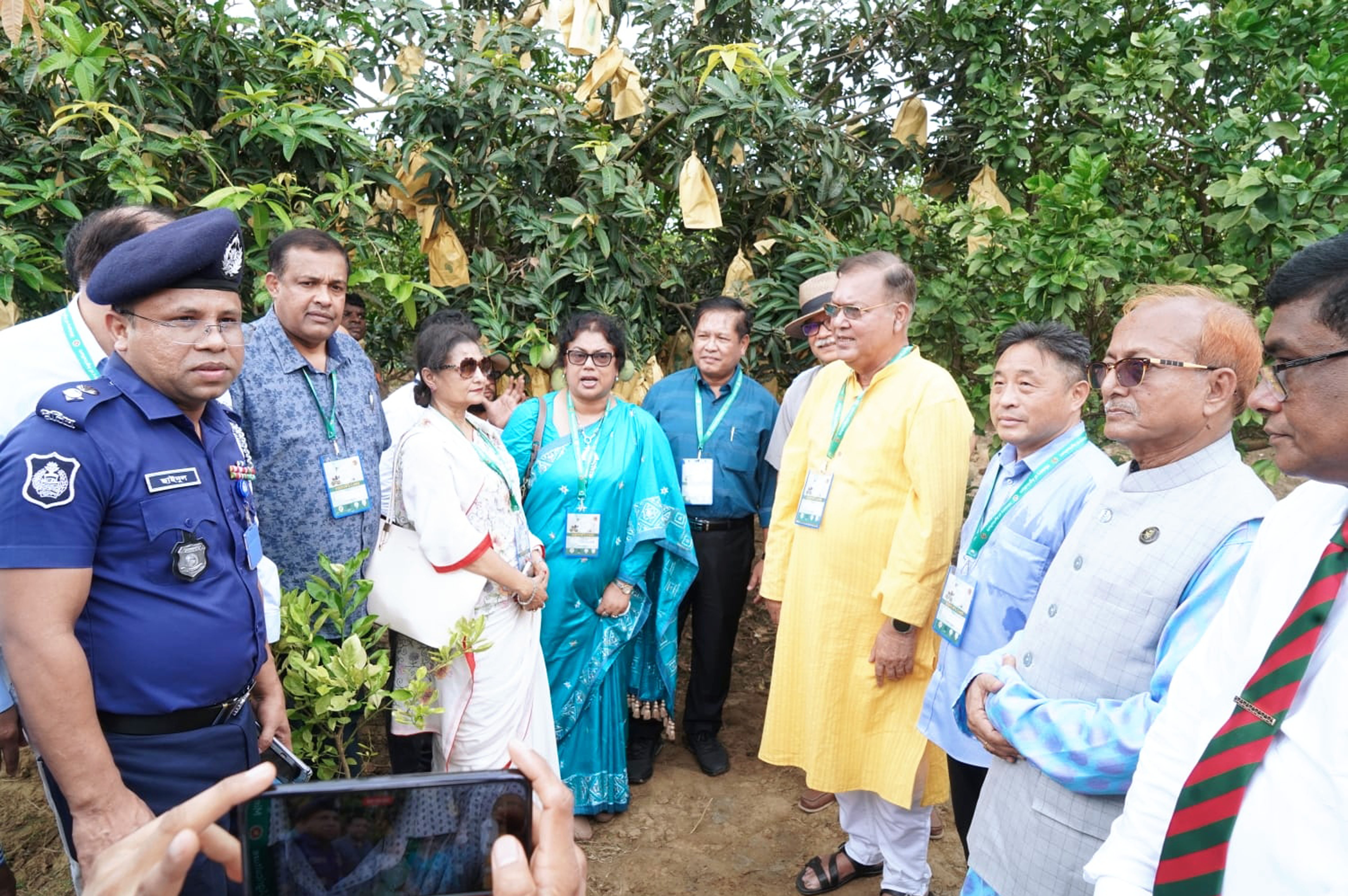
Growers want long field trials
Ismail Khan Shamim, general secretary of the Shibganj Producers' Co-operative Society, told Jagonews24 that "a variety cannot be called successful just because it looks good or yields more". Taste, aroma, colour, storage and transport qualities, disease resistance and market demand all matter, he said, and a new variety should be checked for at least two years in the soils, weather and conditions of different areas before it is expanded commercially.
Umor Ali, a grower in Kansat union, said new late varieties had cost him money for years and that Fazli had been squeezed by Amrapali. Mojibur Rahman, a grower in Shyampur union of Shibganj, complained that new varieties arrive every year, though he accepted that BARI-19 could be profitable because it comes at the end of the season. Sharjana Akter Saba, a researcher in the rural development department of Chapainawabganj EXIM Bank Agricultural University, warned that the district's old and traditional varieties must not be lost to new ones.
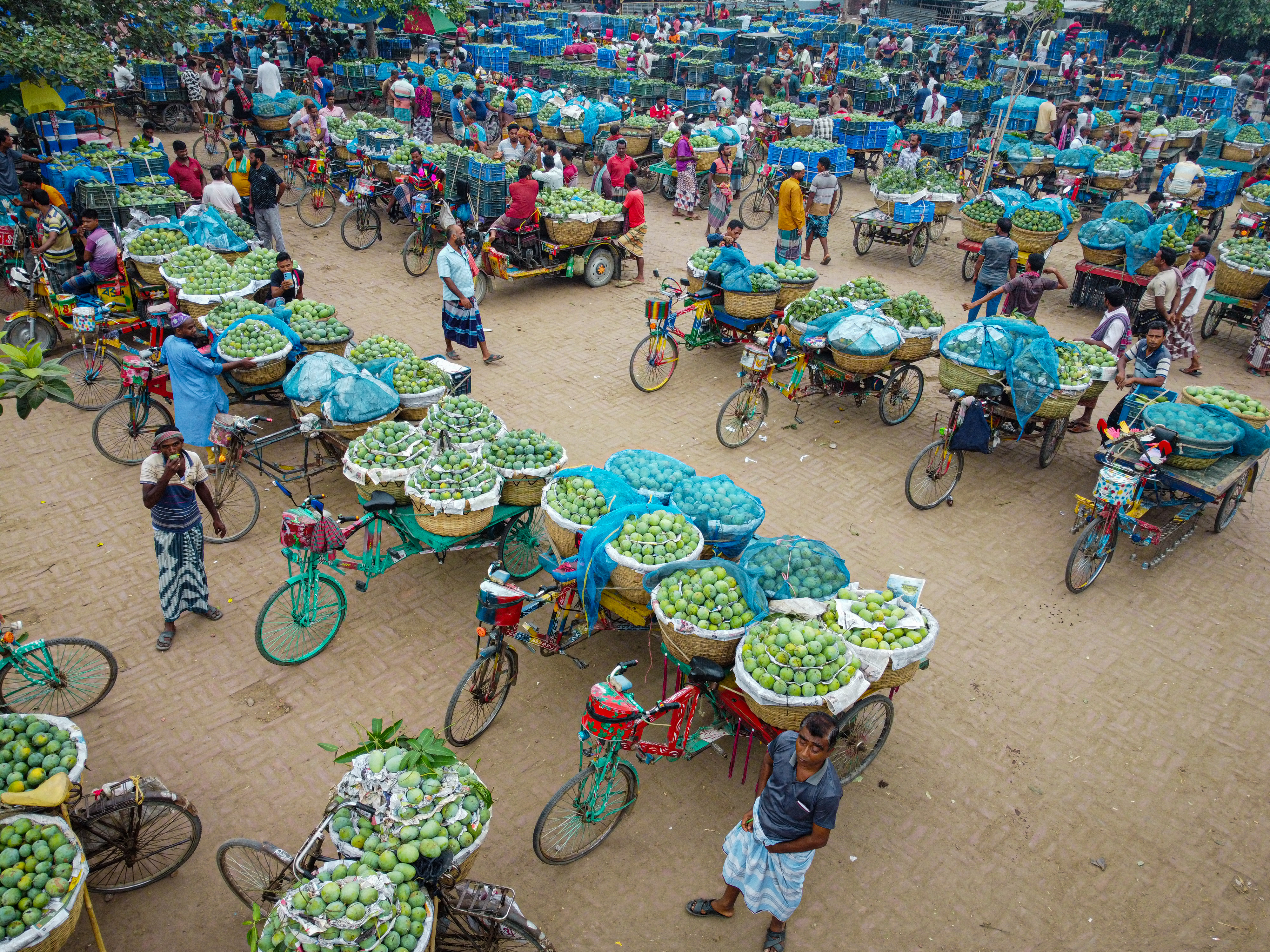
Fazli's decline had been noted before. In 2021 Md Sorof Uddin, then a senior scientific officer at BARI, told The Daily Star that Fazli had the best reputation until 2010, but demand shifted after varieties such as BARI Aam-3 (Amrapali) arrived. By the paper's figures, Amrapali made up 28 percent of the country's mango output that year and Fazli 10 percent.
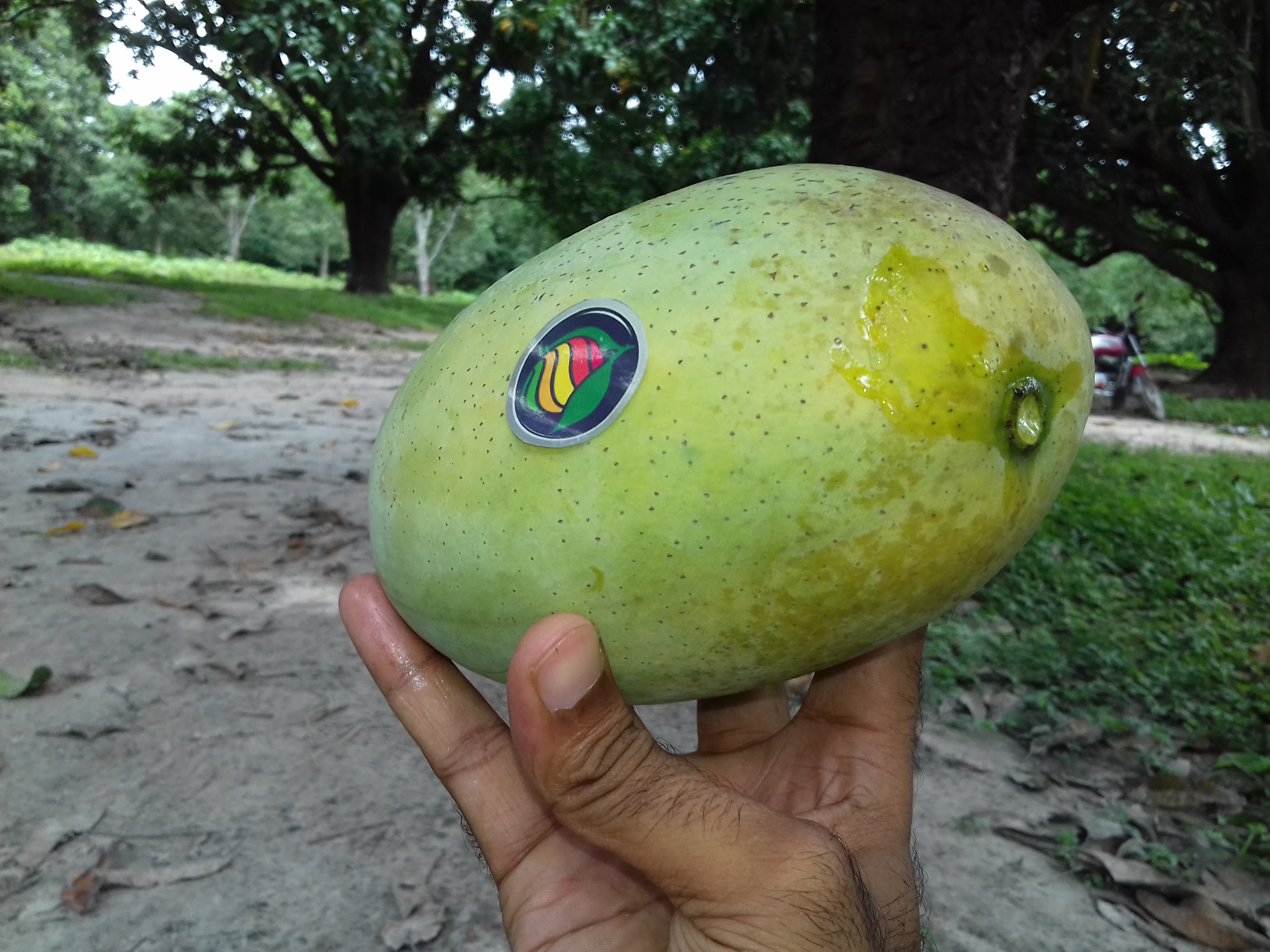
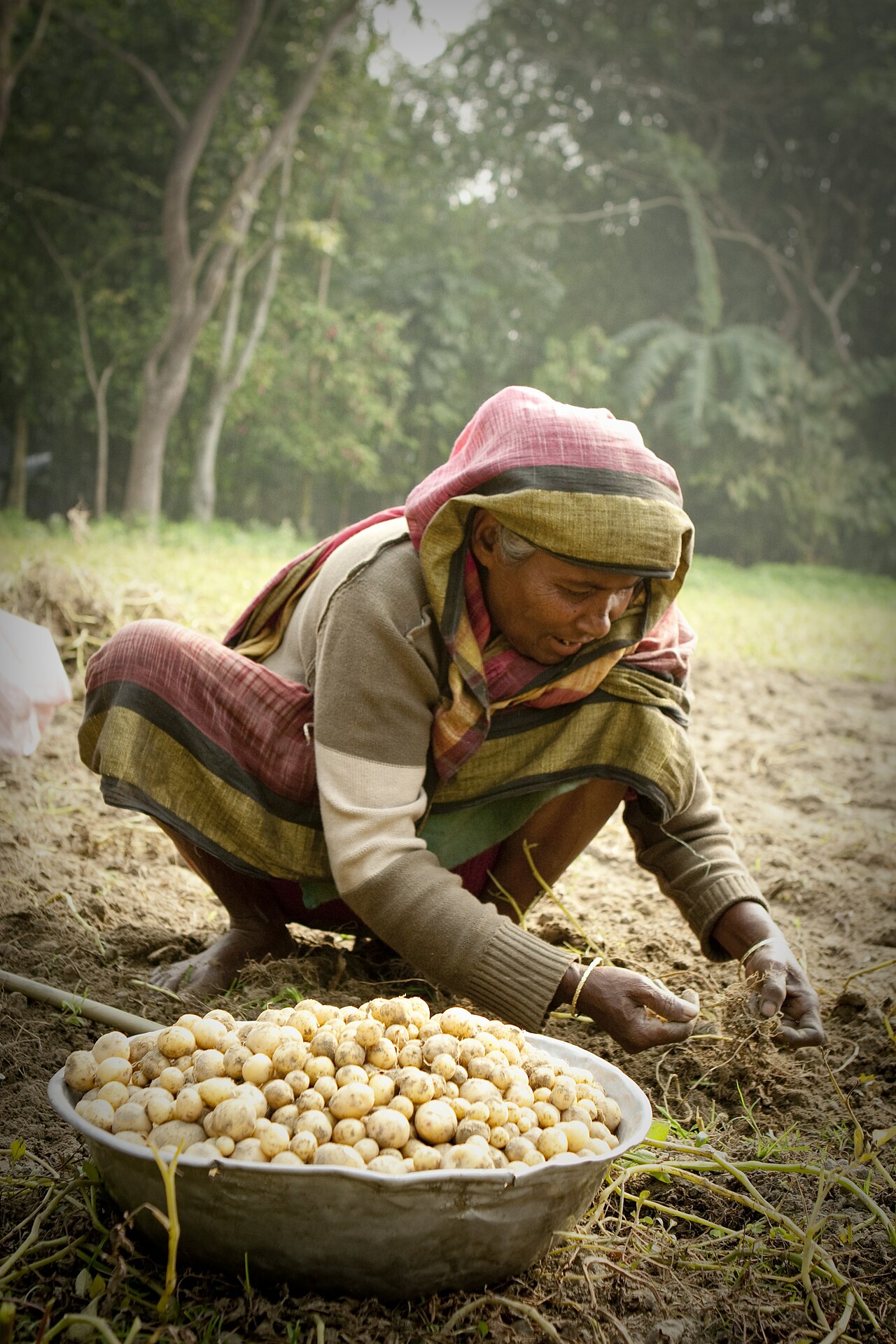
Photo: Shamim Ahammed sumon / Wikimedia Commons (CC BY-SA 4.0)
Sources: Jagonews24, The Daily Star
Comments
(0)