
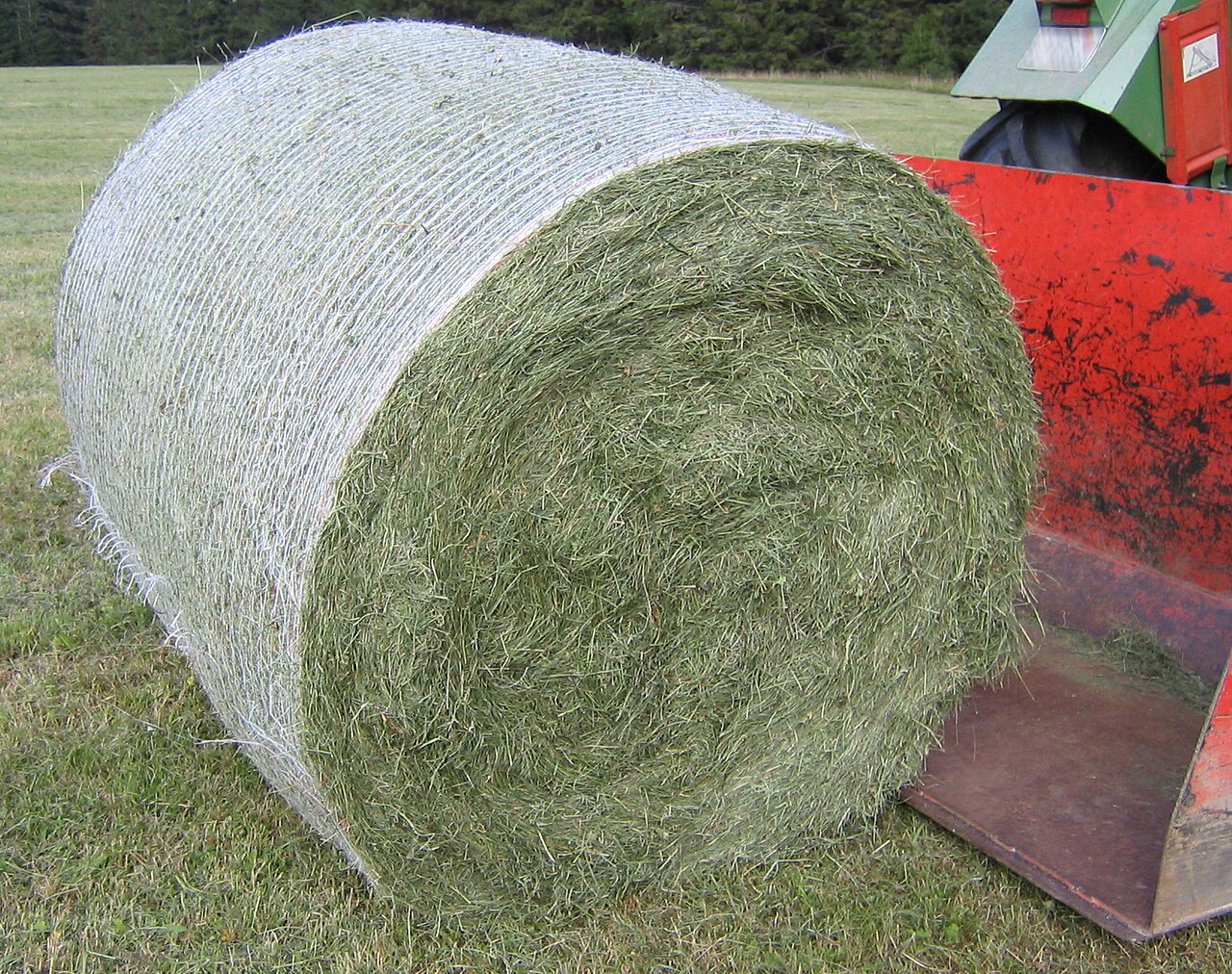
Australian feedlots are heading into what forecasts suggest will be a dry summer with roughage supplies split between two seasons: steady rain in the big southern hay and grain areas, and persistent dryness in northern New South Wales and southern Queensland, where many crops still need rain to finish. Most lotfeeders are covered to the end of the year and are still about a month away from buying for the year ahead, Beef Central heard at this year's BeefEx conference.
Tim Ford, managing director of Toowoomba-based Feed Central, expects a large supply of new-season hay from south of Dubbo, but said the freight bill is growing with the price of diesel. "There is no doubt Southern Queensland and Northern New South Wales have had a bad winter and roughage is a bit tight. It will be an issue right through summer until it rains," he said. He recalled that Victoria ran out of hay in winter last year and warned that three to six dry months there could make stocks disappear fast.
Ford urged buyers to shop around. Some growers want A$500 a tonne off the paddock for failed wheat or barley crops, he said, while hay can probably be delivered from northern Victoria for significantly less, even at current diesel prices.
Cottonseed is the tightest item. After a dry season in northern NSW and southern Queensland it has become expensive and scarce: the recent feedlot trading budget put it at A$600 a tonne, and it has been around A$540 in recent weeks. Most feedlots say they are covered until year's end, but one nutritionist said shortages are widely expected to continue, with many storages in southern and central Queensland still low.
That is pushing some grain growers on the Darling Downs to consider cutting their crops for silage or hay instead of taking them to grain. "At the moment there is not enough moisture to finish the crop and there is definitely an appetite to make it a fibre source," said Jordan Minniecon of silage inoculant supplier Lallemand, warning that the decision has to be made now. His colleague Nathan Lister said nutritionists increasingly support hygienic silage in feedlot and backgrounding rations, and that more growers are contracting with feedlots to grow it, which helps their cash flow.
Photo: Flominator / Wikimedia Commons (CC BY-SA 3.0)
Source: Beef Central
Comments
(0)