
The Fair Dealing Obligations (Pigs) regulations, known as FDOP, were meant to bring fairness and balance to the British pig supply chain. But their full introduction in mid-August, with written contracts having to be renegotiated to comply, came as EU and UK prices were low and the big processors were trimming their supply bases, Pig World's Alistair Driver reports.
In the months before the deadline many producers had contracts terminated, although processors deny any link to the regulations. Industry analyst Mick Sloyan wrote that many were then offered contracts for fewer pigs or lower prices, or both, and some were offered none and forced onto the spot market. A National Pig Association (NPA) survey before the deadline found only 6% of members had an FDOP-compliant contract; 22% said they were not very aware of the rules.
The gap in prices is wide. The Standard Pig Price (SPP), the average weekly abattoir price for standard pigs, has sat at about 178-180p/kg since spring, yet some producers report 130-150p/kg when forced to sell "distress pigs" on the spot market, while others on long-term cost-of-production contracts get around £2/kg. Many blame processors' "shout prices", which Sloyan says lack transparency. Under FDOP, the factors behind a variable price must be set out in the contract, a seller can demand a written explanation, which the buyer must give within seven days, and contracts using variable prices need a third-party verification route, unless at least 97.5% of the price comes from public or shared data.
The Agricultural Supply Chain Adjudicator, Richard Thompson, oversees the rules, and his office is urging producers to get in touch early and free of charge. AHDB pork sector director Mark Haighton said the levy body recognises that a single published average "does not provide visibility on the full distribution of prices" and is investigating publishing the spread of prices within the SPP. The NPA also wants mandatory data to improve forecasts of the breeding herd, as the poultry sector does with chick placements.
The outlook is grim. About 12,000 uncontracted pigs a week could come onto the market from October as contracts expire. "The outlook heading into the autumn is extremely challenging," said Joe Dewhirst, chair of the NPA's Pig Industry Group, warning that if independent producers cut numbers or quit, the balance could shift further towards large integrated businesses. In Northern Ireland an estimated 35-40 suppliers to Sofina Foods were given notice on some or all of their pigs; Ulster Farmers' Union deputy president Clement Lynch said members want a clear commitment from the supply chain to UK-produced, Red Tractor-assured pigs.
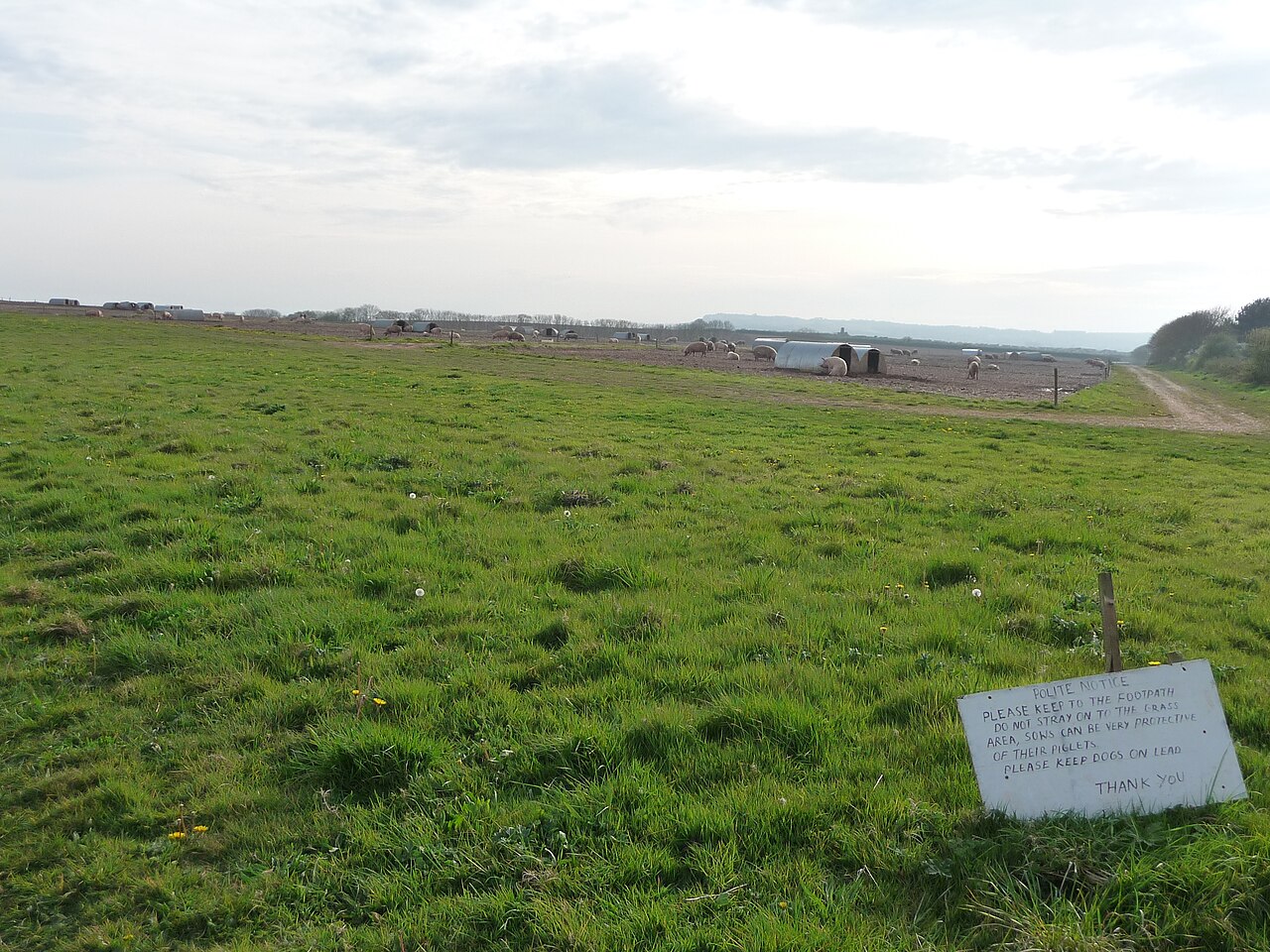
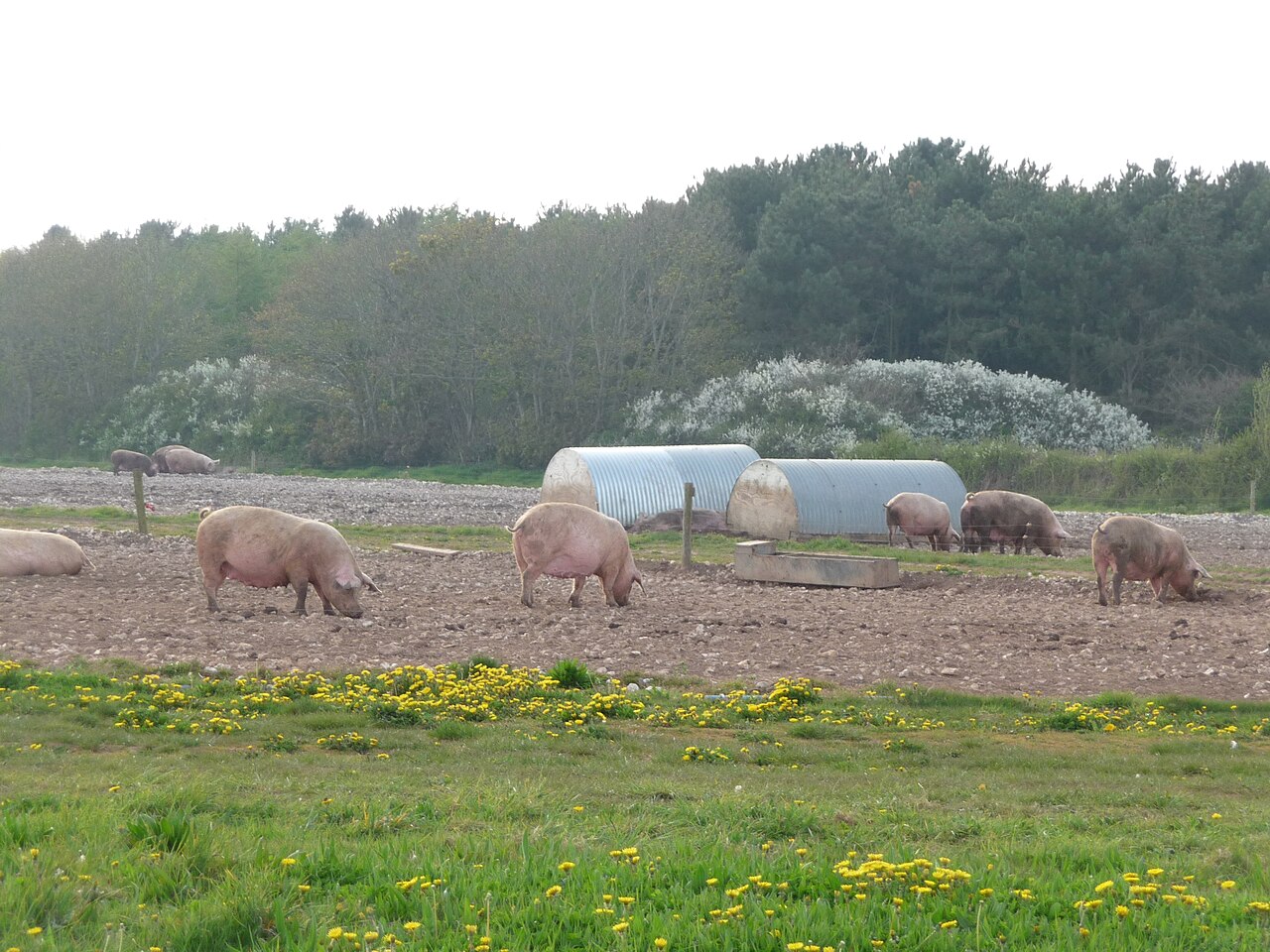
Photo: Lewis Clarke / Wikimedia Commons (CC BY-SA 2.0)
Source: Pig World
Comments
(0)