
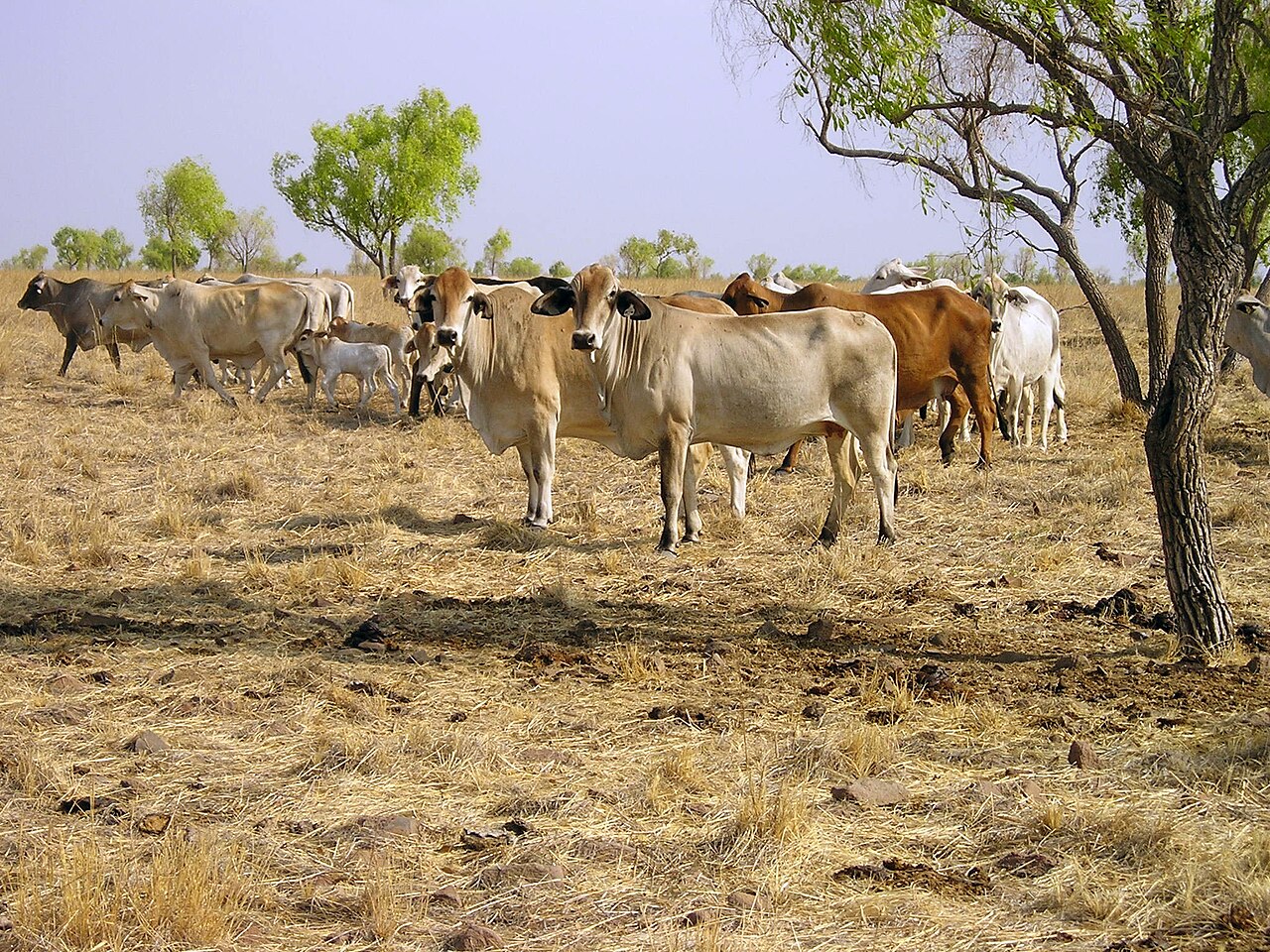
Most of the wealth Australian cattle producers have built over the past 12 years has come from the rising value of their land rather than from producing beef, according to the 2026 Australian Beef Report, the fourth three-yearly edition prepared by Bush Agribusiness. The 156-page report draws on ABARES farm surveys of specialist beef producers with more than 200 head and on Bush Agribusiness's own clients, some with 15 years of financial data, Beef Central's James Nason reports.
In southern Australia the average operating return over 12 years was effectively breakeven, yet the average total business return was 5.8%, all of it from land appreciation. In the north the average return was 5.9%, of which 1% came from operations and 4.9% from land. "On average, all or close to all, of long-term industry returns are from land value increases," the report says. Profits in the latest three years were higher than over the 12-year period, but profitability was lower because land values rose.
That leaves little cash for debt reduction, investment, succession or expansion. Northern beef businesses, with average assets of A$18 million, made an average profit after interest of A$73,000 over the three years to 2025; southern businesses, with A$11 million in assets, lost A$40,000 on average. The report warns that around half the industry has minimal working capital after running costs and interest, and that a stall or fall in land values would put their financial capital at risk too.
The gap between the average and the top 25% has held steady through record prices and greater volatility. The report's central message is that income explains more of the difference in profit than costs do. "Costs are not unimportant, but income is more important," it says, adding that the higher-income businesses get there through more productive herds and more beef to sell per animal unit, not higher prices.
That changes how cost of production should be read. The top 25% in northern Australia produce at A$1.79 per kilogram liveweight against a northern average of A$2.49; in the south the figures are A$2.35 and A$3.40. "Increasing production so that there are more kilograms to spread the costs of the business over is usually the best way to reduce the cost of production," the report says.
It suggests beef businesses aim for a cost of production under A$2.00/kg liveweight, and A$1.50 for high-performing breeders, a target it calls achievable with scale, discipline and a steady focus on herd productivity, targeted herd spending and labour efficiency. Herd profit generally rises with scale as overheads per animal fall.
Photo: CSIRO / Wikimedia Commons (CC BY 3.0)
Source: Beef Central

Comments
(0)