
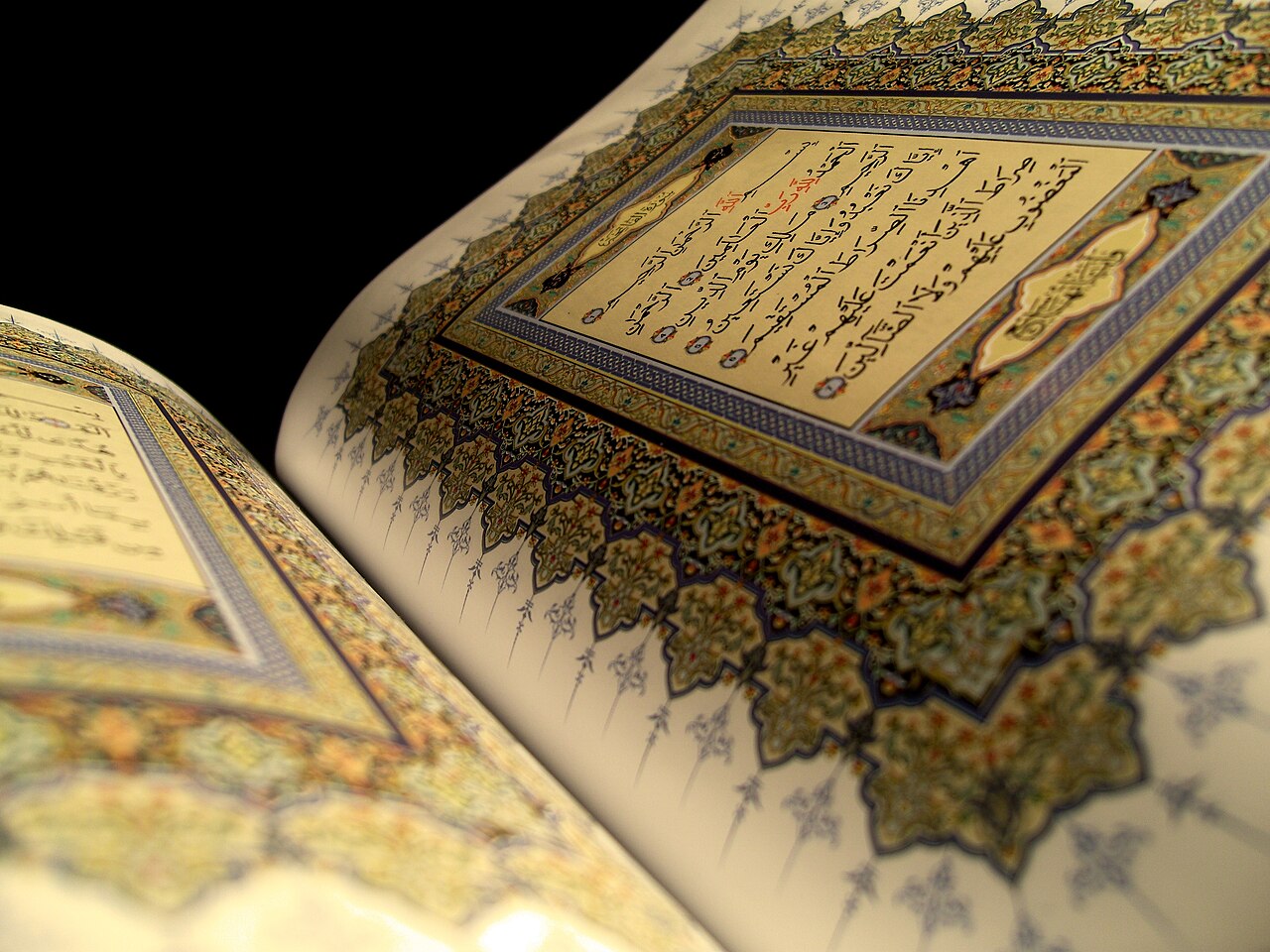
A parent's sins or mistakes do not pass to their children. The Quran says plainly that no bearer of burdens will bear the burden of another (Al-An'am 164; Fatir 18). Because parents are not beyond error, however, Islam asks children not to stay silent but to correct them with wisdom and humility while keeping the highest respect, an article in Ittefaq's religion section explains.
Manners come first. Even when a parent is wrong, there is to be no taunting, anger or humiliation, and the voice stays low and courteous. Surah Al-Isra, verse 23, tells believers not even to say 'uff' to parents in old age, not to scold them and to speak to them with honour.
The article points to the Prophet Ibrahim (peace be upon him). His father Azar worshipped idols, yet Ibrahim addressed him as 'my dear father' and called him to the truth in gentle words (Maryam 42), and when threatened he answered with words of peace and prayer.
It sets out a method. Disliking something does not make it wrong, so a child must first confirm from the Quran and Sunnah that it really is a mistake, and must not impose a personal view on matters where scholars legitimately differ. Advice is given in private, not in front of others, as a humble suggestion rather than an attack, and a child whose own conduct is poor will not be heeded.
If parents order a sin, such as false testimony, oppression or taking others' rights, they are not obeyed: there is no obedience to a creature in disobedience to the Creator. Even then, Surah Luqman, verse 15, tells the child to keep company with them kindly in this world, and harshness or disrespect remains forbidden.
Force is ruled out too, since guidance belongs to God; the child's duty is to explain gently and pray. If repeated advice fails, wait for a better moment or ask a respected elder relative or a learned scholar to help. In disputes between a wife and parents a son should be fair rather than blindly take one side, and where there is serious abuse or harm to others, responsible guardians or the law should be sought.
The article is by Ittefaq's digital desk.
Photo: Habib M'henni / Wikimedia Commons (Public domain)
Source: Ittefaq
Comments
(0)