
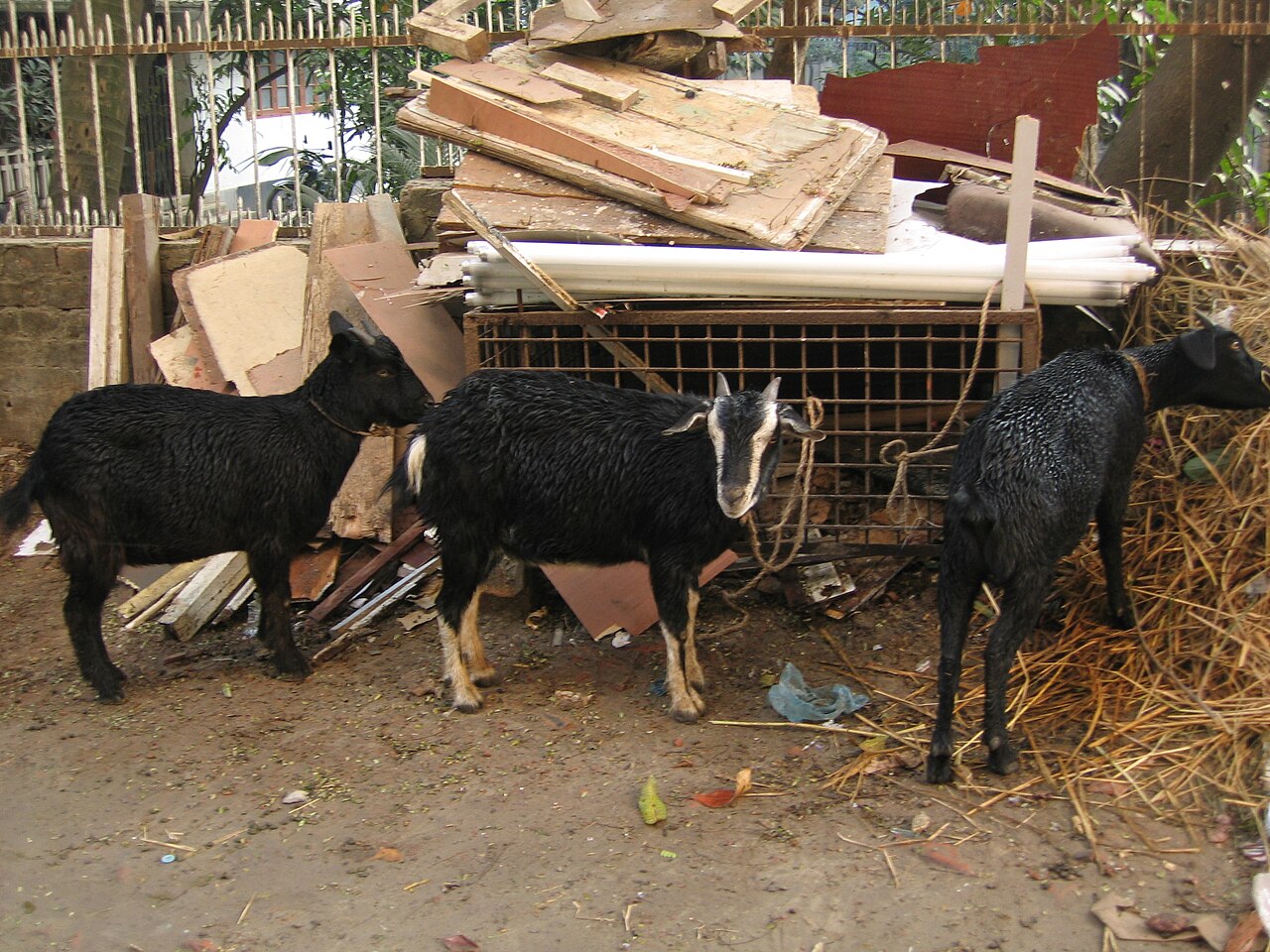
After a child's birth, the meat of the aqiqah sacrifice may be distributed raw or cooked and served to relatives; both are permissible. But according to the hadith and the jurists, cooking it and feeding people is better, says a religion report in Ittefaq.
Aqiqah on the seventh day after birth is mustahab (recommended). If that is not possible it can be done later, preferably keeping the seven-day count, so a child born on a Wednesday would have the aqiqah on the following Tuesday. Aisha, Mother of the Believers, said the aqiqah should be on the seventh day, otherwise on the fourteenth, otherwise on the twenty-first (Mustadrak al-Hakim, hadith 7669).
Sahih al-Bukhari (hadith 5472) narrates the Prophet (peace be upon him) saying that aqiqah is due for a child: shed blood on its behalf and remove the hair from its head. In Sunan Abu Dawud (hadith 2838), the sacrifice, shaving the head and naming the child on the seventh day are mentioned together.
It is recommended to sacrifice two goats for a boy and one for a girl. The aqiqah is fulfilled by slaughtering the animal with that intention.
On sharing the meat, Aisha said it should be cut into pieces and cooked, eaten by the family and fed to others (Musannaf Ibn Abi Shaybah, hadith 24744). Imam al-Nawawi said it is better to give it cooked than raw, and Ibn Qudamah held that cooking it and inviting relatives to eat is best.
So families may share the meat raw if they wish, but the jurists considered a cooked meal with relatives and neighbours the more preferable way.
Photo: Ragib Hasan / Wikimedia Commons (CC BY-SA 4.0)
Source: Ittefaq



Comments
(0)