
In Islamic law marriage is an act of worship and the foundation of family and social order. To protect lineage, however, the Quran and hadith forbid marriage with certain women permanently or for a time. A religion report in Ittefaq sets out the rules.
Verses 22 and 23 of Surah An-Nisa list 14 categories of women, related by blood, by marriage or by nursing, with whom marriage is permanently forbidden.
By blood: the mother, grandmothers and all women above them; daughters, granddaughters and all below them; full sisters and half-sisters on either side; the paternal aunts of the father and grandfather; the maternal aunts of the mother and grandmother; and the daughters of one's brother and sister. By nursing: the woman who breastfed one as a child, and her daughter, the foster sister.
By marriage: the father's current or former wife (the stepmother, including the wives of grandfathers); the mother-in-law and the women above her; the daughter of a wife with whom the marriage has been consummated; and the daughter-in-law, the wife of a son or grandson. It is also forbidden to be married at the same time to a woman and her sister, paternal aunt, maternal aunt or niece.
Beyond the 14, the report lists situations in which jurisprudence makes a marriage unlawful: having more than four wives at once; marrying a divorced or widowed woman before her waiting period (iddah) ends; a Muslim man marrying a woman of another faith other than the People of the Book (Jews and Christians); and marrying a woman who is another man's wife.
The report says these rules aim to protect the sanctity of blood and marital ties and of lineage, and that a Muslim should know these limits before marriage.
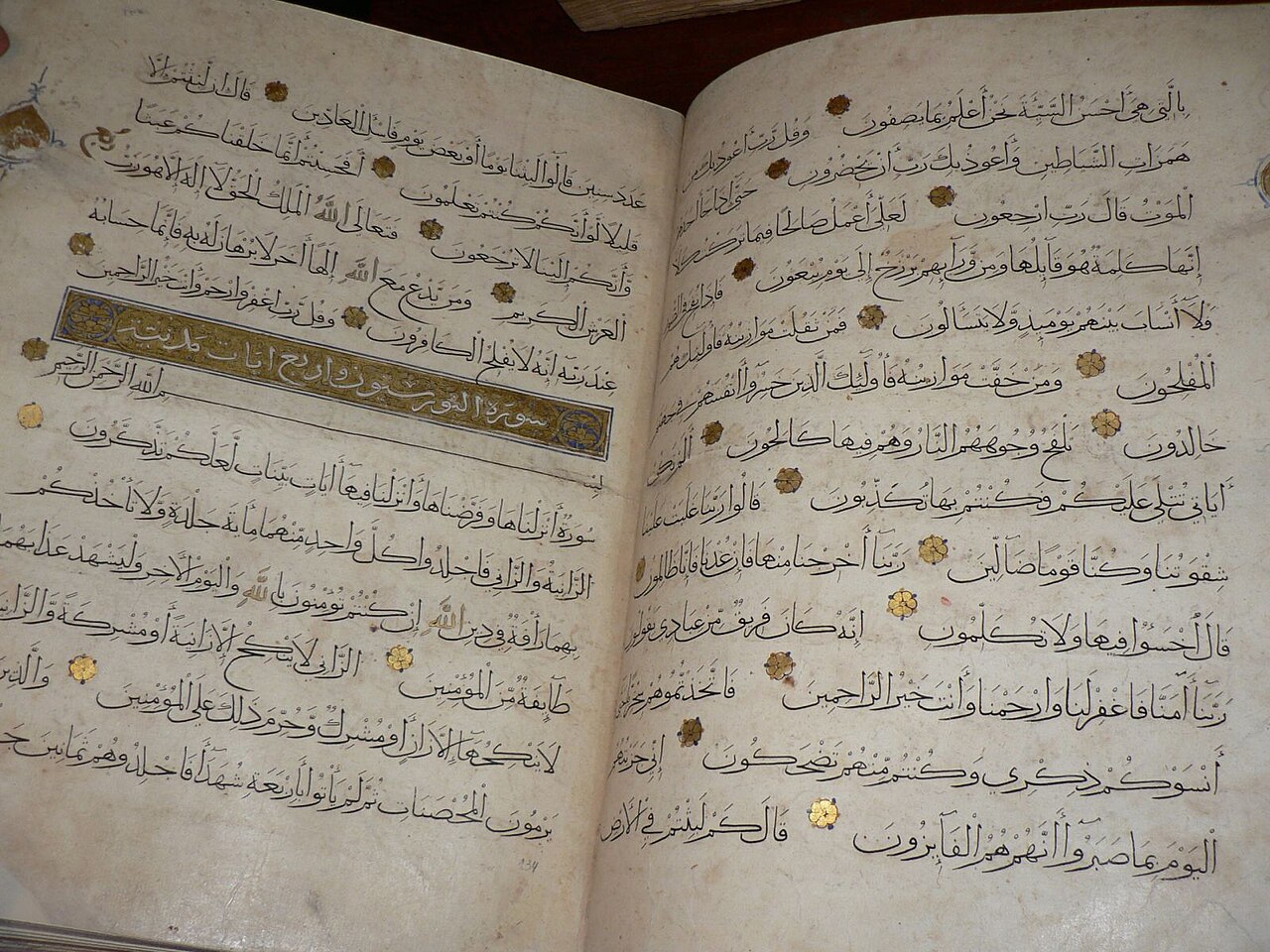
Photo: Hayri Brahimbashev / Wikimedia Commons (CC BY-SA 3.0)
Source: Ittefaq



Comments
(0)