
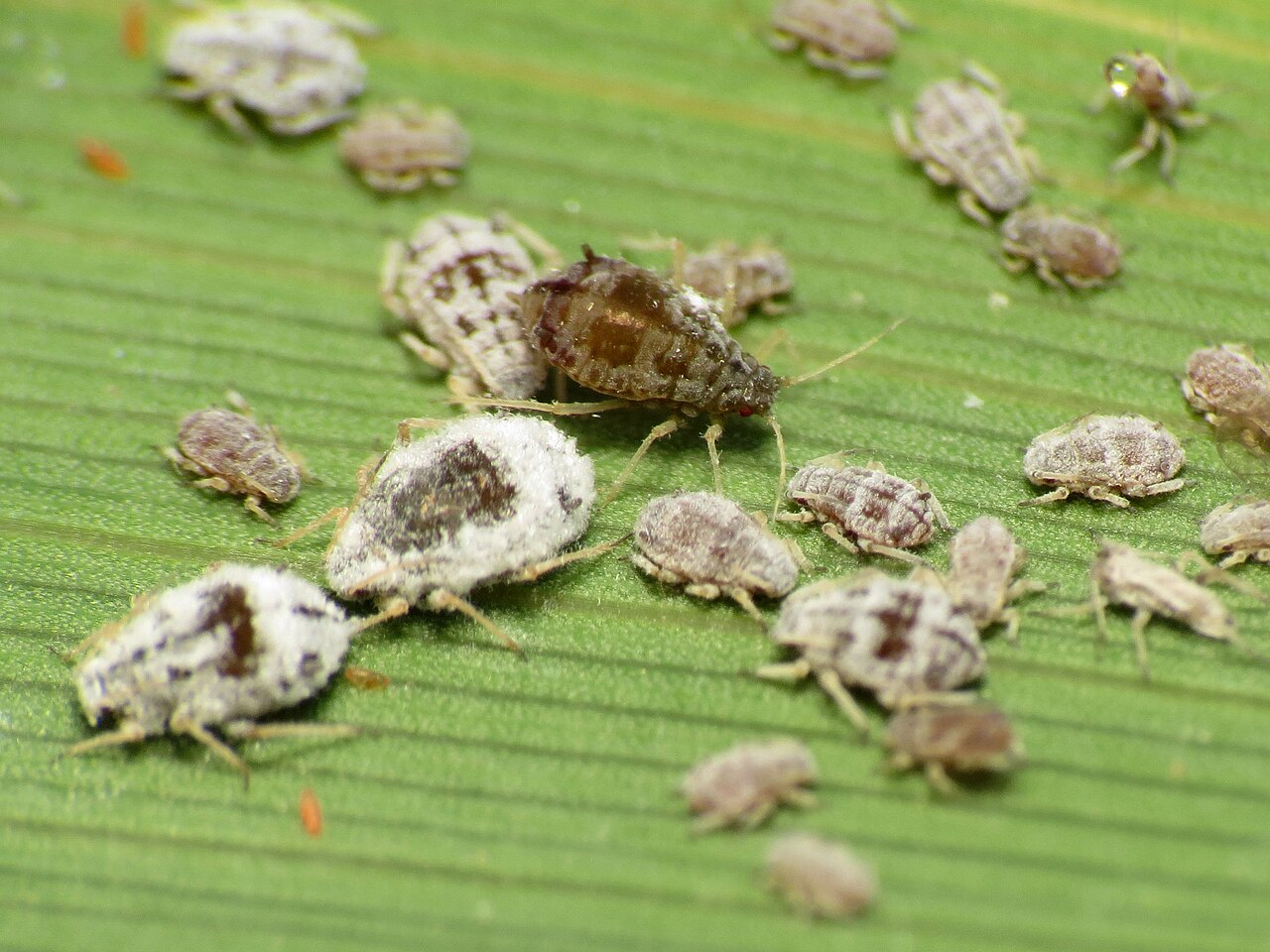
Aphids, gout fly and leafhoppers are being reported widely in emerging cereal crops across the UK, putting growers under pressure to consider insecticides, including some who chose the Sustainable Farming Incentive (SFI) option to farm without them and would lose its £45/ha payment, Farmers Weekly reports.
A new barley yellow dwarf virus (BYDV) modelling tool from the AHDB predicts that a winter wheat crop drilled on 5 October without insecticide could lose 0.5t/ha, about £90/ha in income. "This rises to a possible loss of £210/ha if the field is not exclusively surrounded by arable cropping, which can increase disease risk," said Mark Hemmant, technical manager at Agrovista, adding that earlier drilling and winter barley raise the risk further.
Rothamsted's Insect Survey was catching rising numbers of bird cherry-oat aphids in the first week of October, with triple-figure catches at most sites. More than 50% were winged aphids able to colonise cereals, against a 10-year mean of 12.9%, and nearly 40% carried virus, according to AHDB reporting. Hemmant said the hot summer had been expected to make it harder for aphids to pick up virus, "but the testing suggests the opposite". Both the AHDB and the traditional T-Sum models time sprays against secondary spread, he noted, so treating to prevent primary infection can pay even before they signal, especially in low seed-rate crops such as hybrid rye or barley.
Gout fly eggs are being found across the country rather than in last year's regional hot spots, and Hemmant advises a pyrethroid within seven days of egg laying. Cereal leafhoppers, which spread wheat dwarf virus, are increasing in southern England; crops are vulnerable from emergence, symptoms appear in small scattered patches, and pyrethroid control is "average at best". In oilseed rape, cabbage stem flea beetle grazing seems to be easing, but turnip sawflies and rape winter stem weevil are rising.
SFI guidance says growers in the no-insecticide option (C/IPM4) who need to spray to prevent a financial loss should do so at the earliest opportunity and notify the Rural Payments Agency within two months, which then decides whether to reduce the payment. Growers are advised to weigh the lost subsidy against the cost of not spraying.
The report is by Emma Gillbard for Farmers Weekly.
Photo: Katja Schulz / Wikimedia Commons (CC BY 2.0)
Source: Farmers Weekly

Comments
(0)