
altM, a Bengaluru company that makes specialty chemicals from farm waste, has raised $10.3 million in a Series A round to move from pilot production to commercial manufacturing. The aim is to replace some of the fossil raw materials used by industry with material left over from crops.
The company's process takes lignocellulosic biomass such as sugarcane bagasse and rice straw and separates its three main components, cellulose, hemicellulose and lignin, so that several products can come from one feedstock. The materials go into beauty and personal care, textiles, industrial chemicals, construction, packaging and consumer goods.
Rainmatter by Zerodha and Mela Ventures joined as new investors, alongside existing backers Omnivore, Theia Ventures, Aureolis Ventures and Spectrum Impact and a group of strategic angels. The company said the money will pay for manufacturing expansion, research, customer qualification and larger engineering and commercial teams.
altM was founded in 2022 by Apoorv Garg and Yugal Raj Jain, both former manufacturing leaders at Tesla. Bioprocessing scientist Dr Harshad Velankar later joined as chief scientific officer. "We are building a new source of industrial carbon from agricultural residue," said Garg, the chief executive.
Since a $3.5 million seed round in 2023, the company has set up an integrated research and pilot plant in Bengaluru, enlarged its laboratory nearly fivefold and commissioned a demonstration facility. Six molecules have reached demonstration scale and three were selected for pilot production. The first products moving towards sale are a lignin-derived SPF booster for suncare, a cellulose-based rheology modifier and bio-derived ferulic acid for cosmetics.
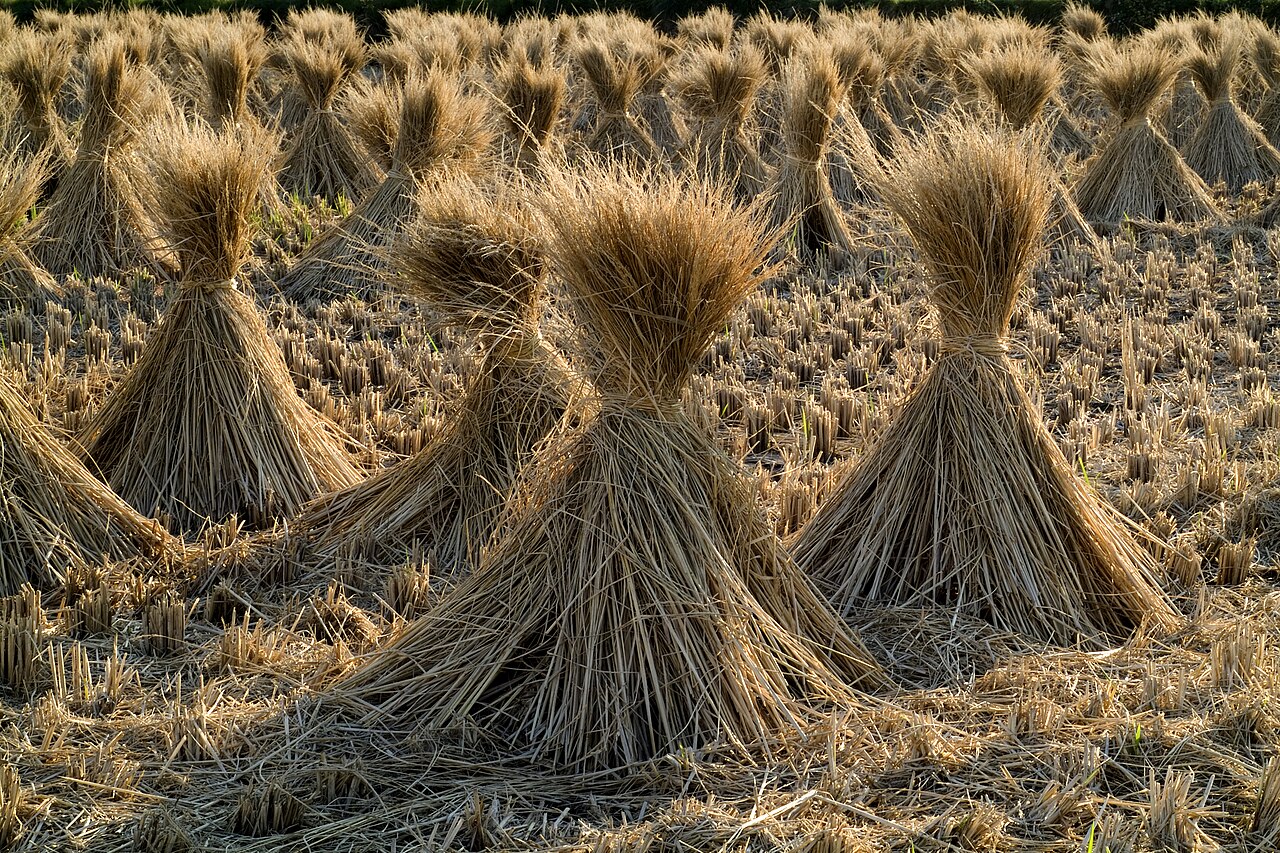
The farm angle is where the feedstock comes from. Crop residues such as bagasse and rice straw are the raw material the company plans to build on, and any demand for them at commercial scale would give them an industrial use. The report does not say how much residue altM will buy, from whom, or at what price, so any gain for growers remains to be seen.
Photo: Masaki Ikeda / Wikimedia Commons (public domain)
Source: Rural Voice

Comments
(0)