

By Professor Noman Faruque and Samiran Biswas
Agriculture is vital to Bangladesh's economy, employment and food security. But the drive to feed a growing population has led to heavy use of chemical fertilisers and pesticides, declining soil fertility and environmental damage, creating health risks, soil degradation and water pollution, while farmers often do not get fair prices. The writers argue that reform is needed for sustainable development.
A reform agenda
- **Cut unnecessary pesticide use:** many farmers spray without advice, damaging soil, polluting water and leaving toxic residues in food. Integrated pest management (IPM), field training and alternatives such as bio-pesticides, pheromone traps and organic fertiliser should be promoted.
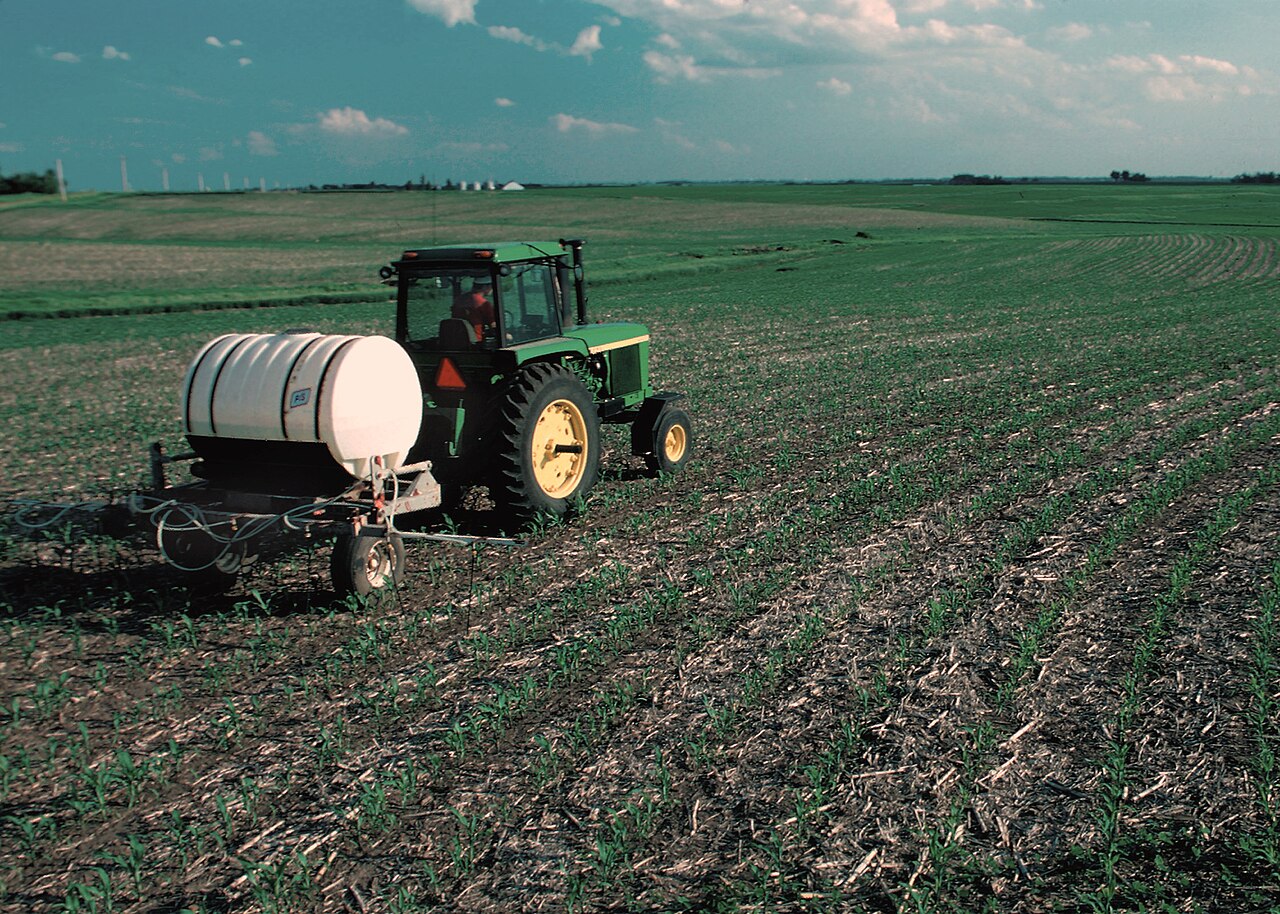
- **Protect soil health:** long reliance on chemicals has depleted organic matter. Farmers should use organic and green manure and compost and apply fertiliser based on soil tests. The government has begun distributing soil test cards, which should be expanded.
- **Expand bio-pesticides:** products based on neem extract, Trichoderma, Bacillus and other microorganisms are safe, protect fertility and leave no toxic residues. Government support for production and marketing, and training, are needed.
- **Reform subsidies:** cheap subsidised fertiliser and pesticides encourage overuse. Subsidies should be reduced gradually while supporting organic fertiliser, composting technology and bio-pesticides, and digital advisory services should guide correct doses.
- **Use digital technology:** drones can detect disease and pests, sensors monitor soil moisture and nutrients, and mobile apps deliver weather forecasts and market prices. These must be made affordable for smallholders.
- **Ensure fair prices:** direct procurement, digital marketplaces, agro-processing and better warehousing are needed to curb middlemen.
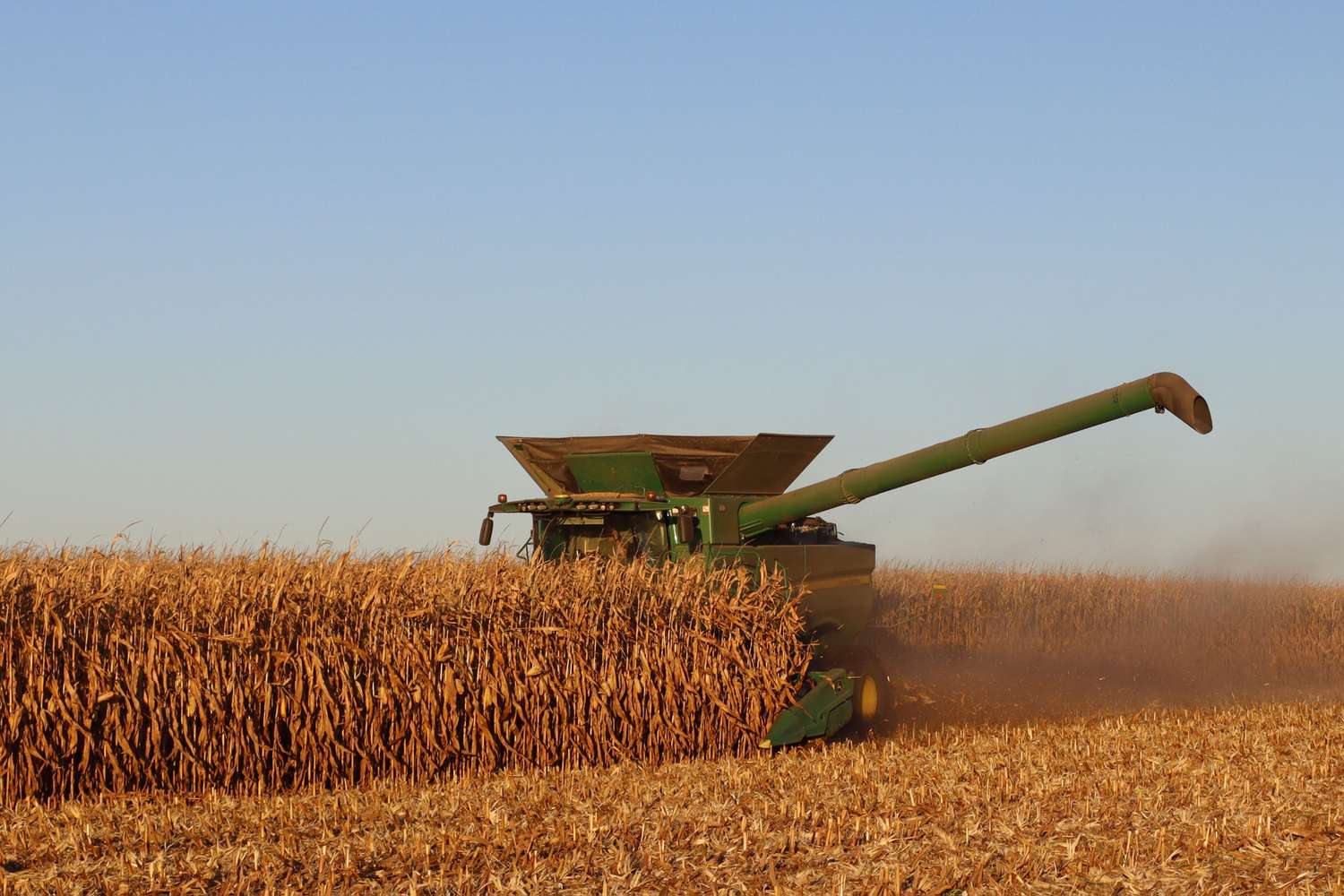
- **Spread new varieties and technology:** high-yielding, climate-resilient and disease-resistant varieties of rice, wheat, maize and pulses, along with hydroponics, vertical farming, smart irrigation and mechanisation, should be extended with farmer training.
The Khamari app
Under the supervision of the Ministry of Agriculture, a digital system called the "Khamari" mobile app has been developed to protect soil health. It lets farmers use fertiliser according to crop, field location and crop zoning, freeing them from applying more chemical fertiliser than needed, saving money and protecting the environment and soil. The writers describe it as a landmark innovation in Bangladesh's agriculture.
Conclusion
If Bangladesh implements these reforms in a planned way, the writers conclude, farmers will become self-reliant and the country will move towards a safe, healthy and environmentally friendly agricultural system.
The writers are a professor at Sher-e-Bangla Agricultural University and registered GLOBALG.A.P. trainer, and an agriculture and environment specialist in Dhaka.
Source: Jagonews24. First published in Bengali on The Agro News.
Comments
(0)