
Crops
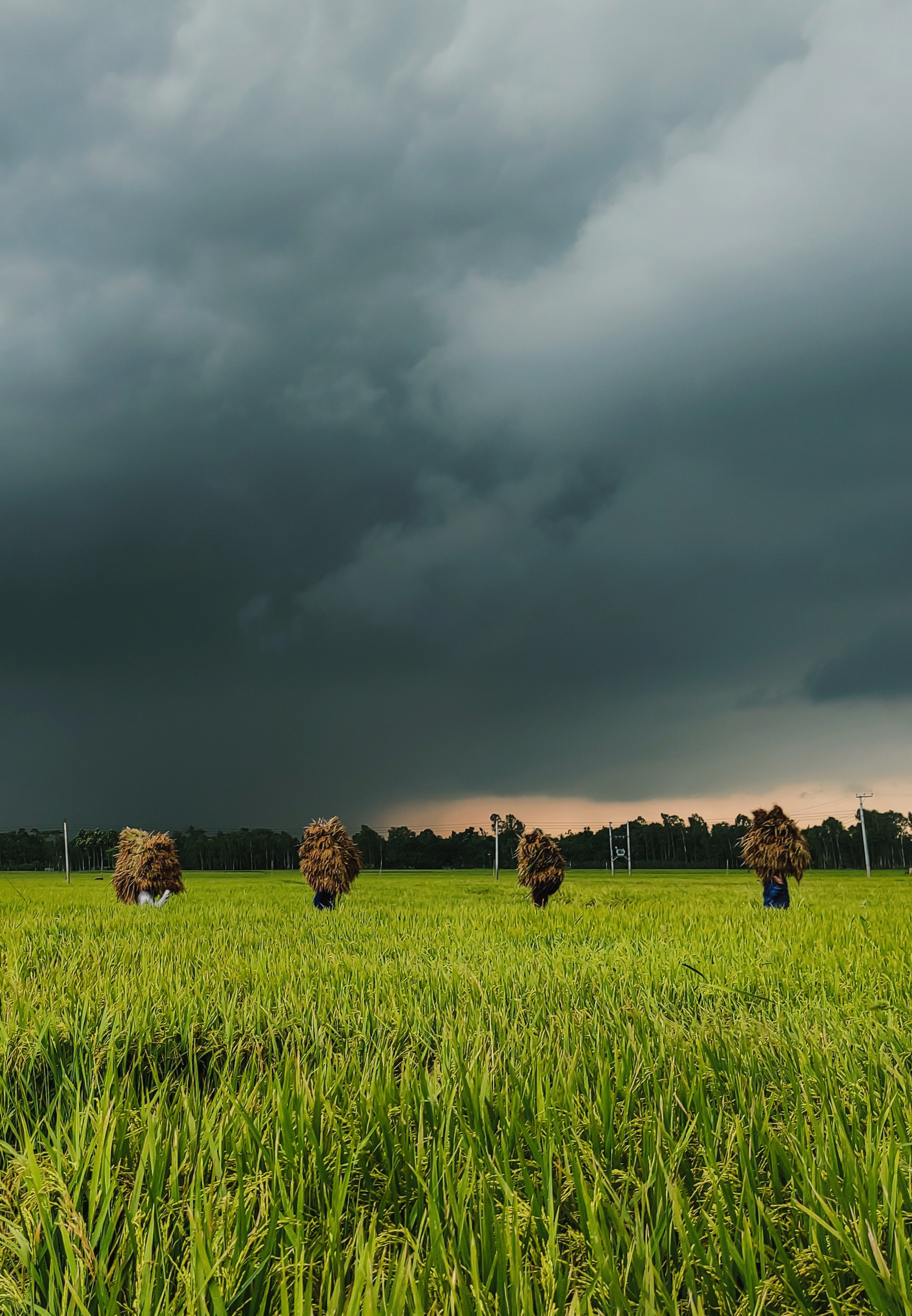
Rivers Rise in Kishoreganj, Paddy on 6,500 Hectares Submerged
Rivers in Kishoreganj rose over 24 hours with continuous rain and upstream runoff, submerging Boro paddy on about 6,500 hectares in the district's haors.
Rivers in Kishoreganj rose over 24 hours with continuous rain and upstream runoff, submerging Boro paddy on about 6,500 hectares in the district's haors.
 Crops
On 30 April 2026 the sun came out over the Kishoreganj haors after four days of rain and farmers rushed to cut and dry their boro paddy; the district agriculture office said paddy on 4,754 hectares had gone under water.
Several days of heavy rain have submerged Boro paddy in most of Sunamganj's haors, leaving farmers who depend on this single crop in despair.
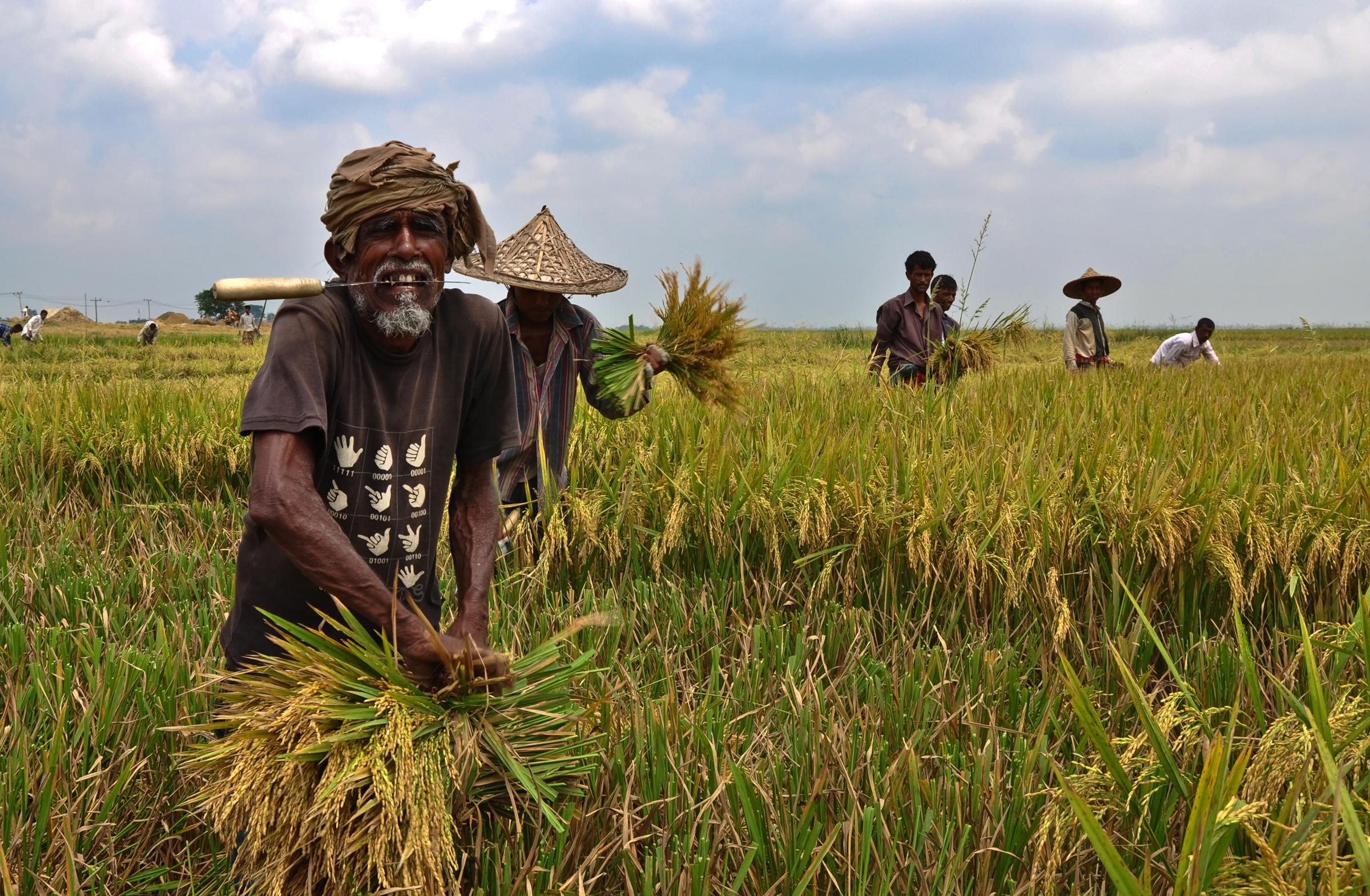
Sudden rain has flooded paddy fields in Bagerhat's Kachua upazila just as harvesting began, while labourers cost the price of two maunds of paddy a day and are still hard to find.
 Crops
Two days of continuous rain and hill runoff on 28 and 29 April 2026 put ripe boro paddy under water across Kamalganj, Rajnagar and Sadar upazilas of Moulvibazar, while the DAE said 83 percent of the haor crop but only 17 percent of the non-haor crop had been cut.
The Department of Agricultural Marketing has ordered its officers across the country to act against traders who take 2 to 6 kg of extra produce per 40 kg from farmers.
Two days of heavy rain and run-off from the hills have submerged boro paddy across Moulvibazar's haors and low-lying areas, leaving indebted farmers in despair.
The government's farmer card is a promising initiative, but its success will depend on transparent implementation that reaches genuine farmers, a columnist writes.
Two days of rough weather and rain have disrupted boro harvesting and threshing in Moulvibazar, raising fears of waterlogging and an early flood.
An early flood warning over forecast very heavy rain in Cherrapunji and Meghalaya has left thousands of boro farmers in Sunamganj's haors anxious about bringing in their crop.
 Crops
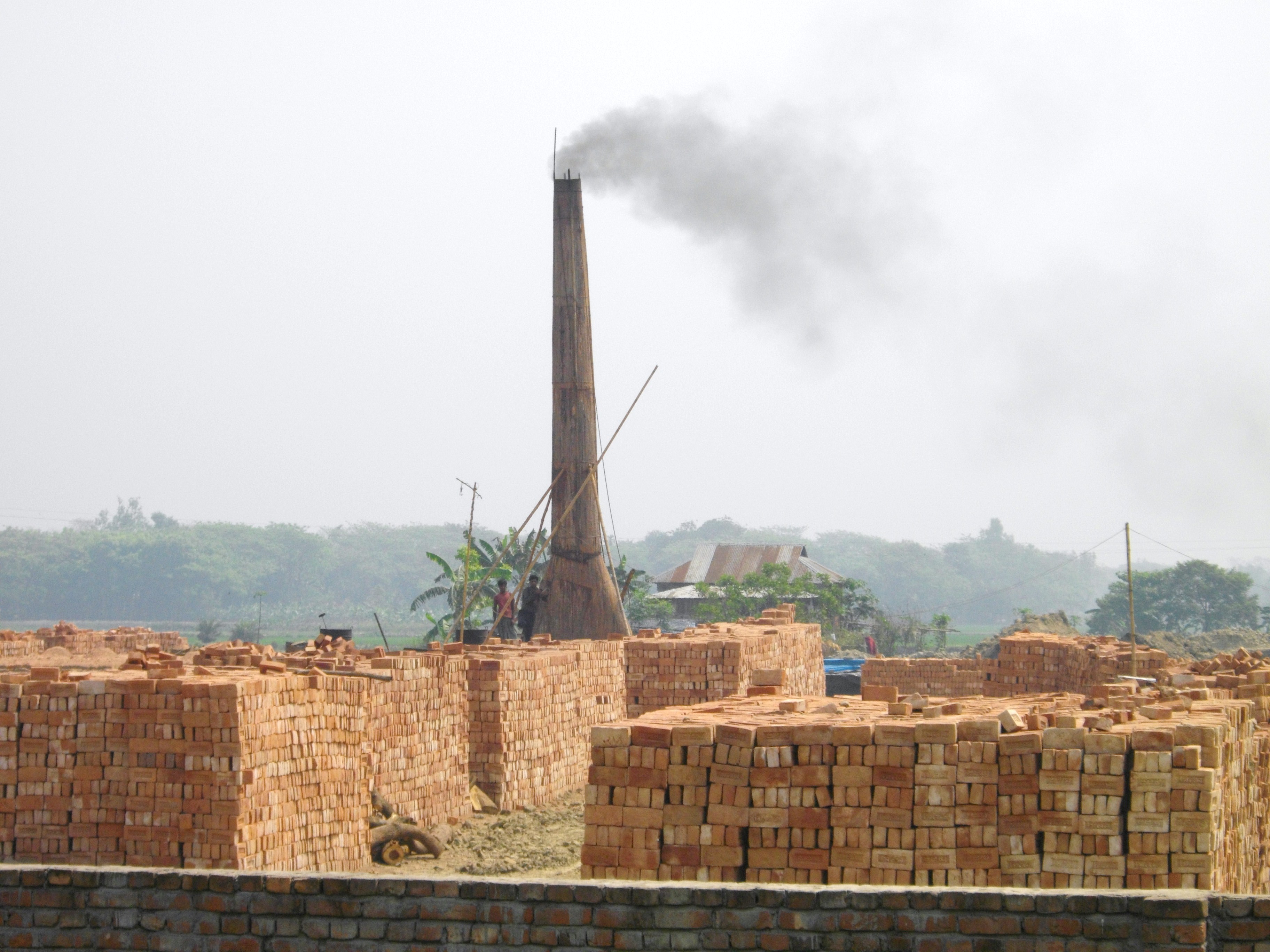
Farmers in Rajibpur upazila of Kurigram alleged in April 2026 that smoke from a brick kiln ruined paddy on about 40 bighas, affecting at least 45 farmers; the kiln owner denied it and blamed hot wind.
CropsBoro farmers in Netrokona's haors told Jagonews24 in April 2026 that some traders were taking 42 to 45 kg of paddy for each 40 kg maund, which they called a new 'oppression'; traders blamed wet paddy and food officials said they would look into it.
A student writer argues that the farmer card could change farmers' futures, but only with proper implementation, training and a firm hand against corruption.