

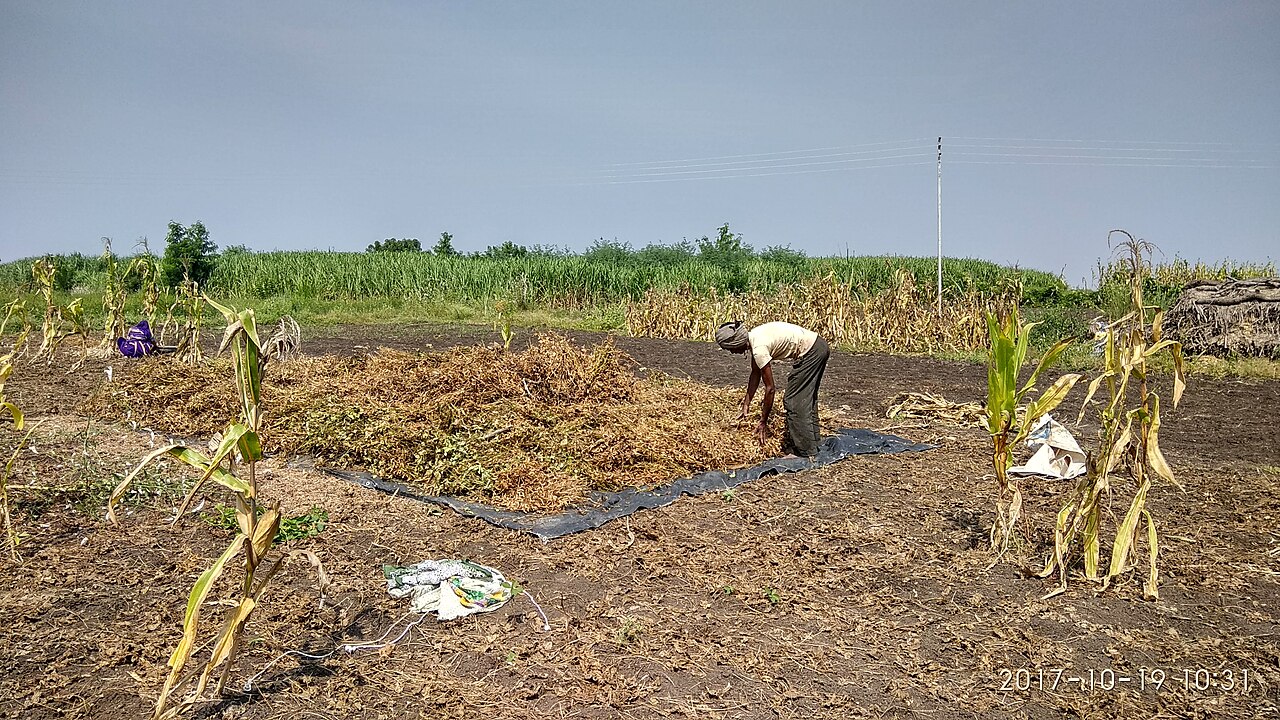
Bangladesh is an agricultural country and its economy depends on farming. Agriculture and farmers are inseparable from the country's history, culture and economy, and the economy cannot be imagined without them. Since ancient times people's lives here have been closely tied to farming, and most people earn their living from it.
Sadly, our farming community has faced many problems for a long time: lack of money, a poor market system, the dominance of middlemen, too little modern technology and the risk of natural disasters. Against this background the "farmer card" has emerged as a promising initiative that could change farmers' futures. It was launched on Pahela Baishakh for farmers' welfare, and it is a new key to possibility for them.
What the card does
The farmer card is essentially an identity and benefits-based service card that links farmers directly to government support, subsidies, loans and technology services. Before, farmers had to go from office to office to get these benefits, rely on brokers, or often miss out for lack of information. The card has reduced much of this complexity. Through it, farmers can easily receive subsidies and support. Government subsidies on fertiliser, seed, pesticides and other inputs can reach farmers directly, which curbs middlemen and helps farmers get a fair price.
This helps cut the cost of farm production, which in turn raises food output and plays an important role in food security. The card also opens the way to easy credit. Many farmers face difficulties when they seek bank loans. With the card, there is a transparent record of a farmer's identity and activity, which increases their credibility with banks and financial institutions, so they can get loans on easy terms and expand their farming. The card also connects farmers with modern technology.
In the digital age, information is the greatest strength. Through the card, farmers can easily get information on weather, crop diseases and market prices, helping them make the right decisions on time and raise output. The card also helps build a database of farmers, so the government can understand which crops are grown in which region, where the problems are and what support is needed where. Such data-based planning can make agriculture more effective and sustainable. But the card's success depends on proper implementation.
Challenges ahead
Farmers often cannot take full advantage of such benefits for lack of technical knowledge, so wide awareness, proper operation and training are needed, along with strict action against corruption and irregularities so that genuine farmers benefit. To make the system more effective, it should be linked to mobile banking and digital payments, letting farmers handle their own transactions directly and increasing transparency. If insurance could be offered through the card, farmers hit by natural disasters would have at least some protection.
There are also challenges. Collecting and verifying farmers' information correctly is a big task. Technical infrastructure and skills must be ensured so rural farmers can use the service easily, and there must be strict monitoring against corruption. Research has shown that earlier programmes taken up for farmers' welfare did not bear fruit.
In many cases the intended beneficiaries were left out while powerful groups benefited. So why those initiatives failed must also be considered. If the card is implemented properly, it could bring revolutionary change to farmers' lives, securing their rights, increasing their financial security and making agriculture more modern and sustainable.
Farmers' development means the country's development, and the farmer card can be a powerful tool on that path. In Bangladesh agriculture is not just a profession but a way of life, and empowering farmers is essential to strengthen it. The card is not just a card but a bridge that creates direct contact between farmers and the government.
It must be remembered that if farmers survive, the country survives. Farmers grow crops in burning sun and soaking rain, playing an important part in food security, so working for their welfare is everyone's moral duty. If the farmer card initiative is implemented properly, it will play an important role in improving farmers' lives and ensuring food security, and a prosperous Bangladesh will be built.
The writer, Nusrat Jahan Boishakhi, is a student in the Department of English at Eden Mohila College, Dhaka.
Source: Jagonews24. First published in Bengali on The Agro News.

Comments
(0)