
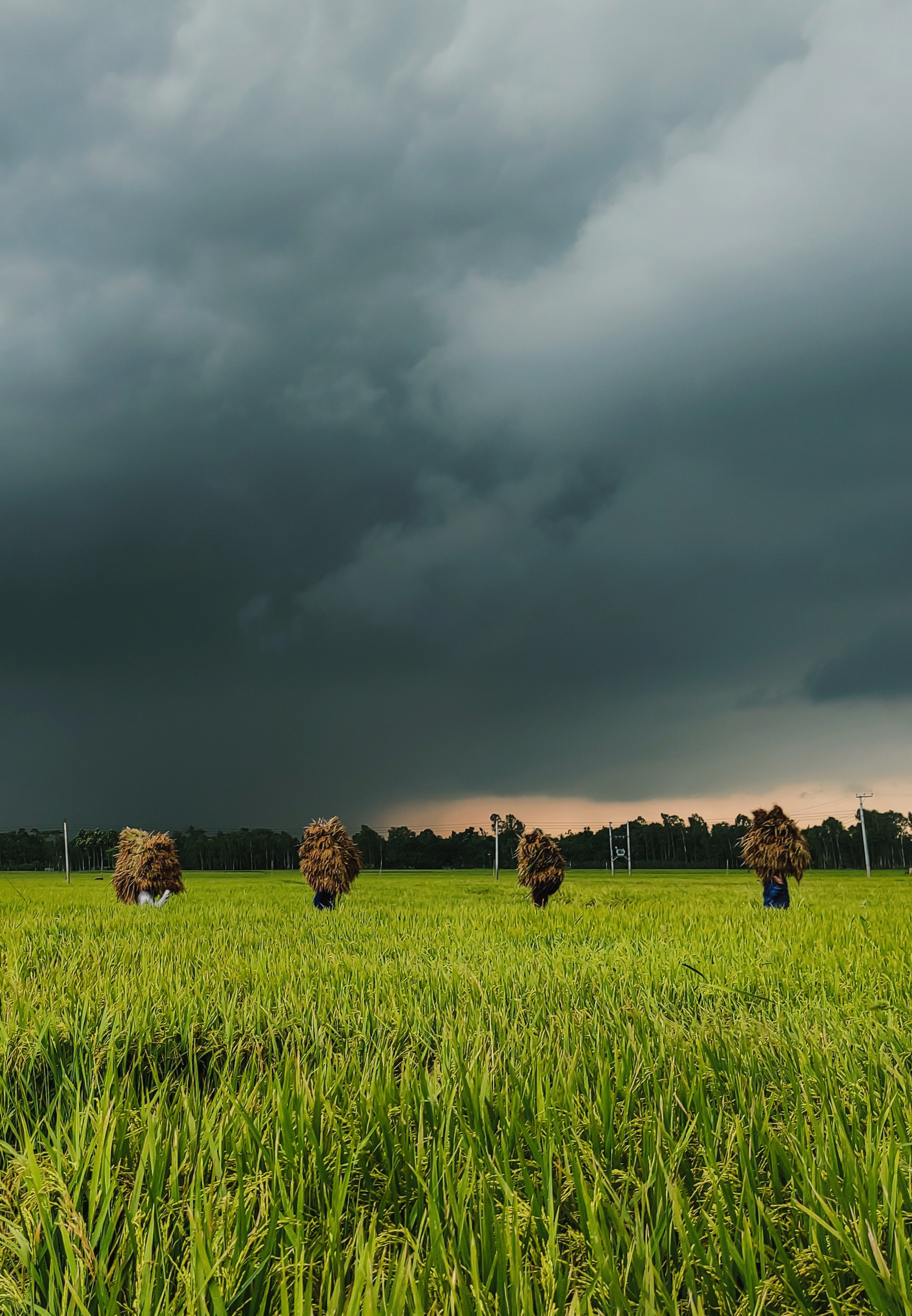
After four days of continuous rain, the sun came out over Kishoreganj on Thursday, 30 April 2026. From the morning, farmers across the district's haors were busy cutting and threshing paddy. The sunshine brought some relief, but farmers were still unsure whether they could bring home all of the boro crop, their only harvest of the year. According to the district office of the Department of Agricultural Extension (DAE), several days of rain had submerged paddy on 4,754 hectares in the district.
A rush to cut and dry paddy
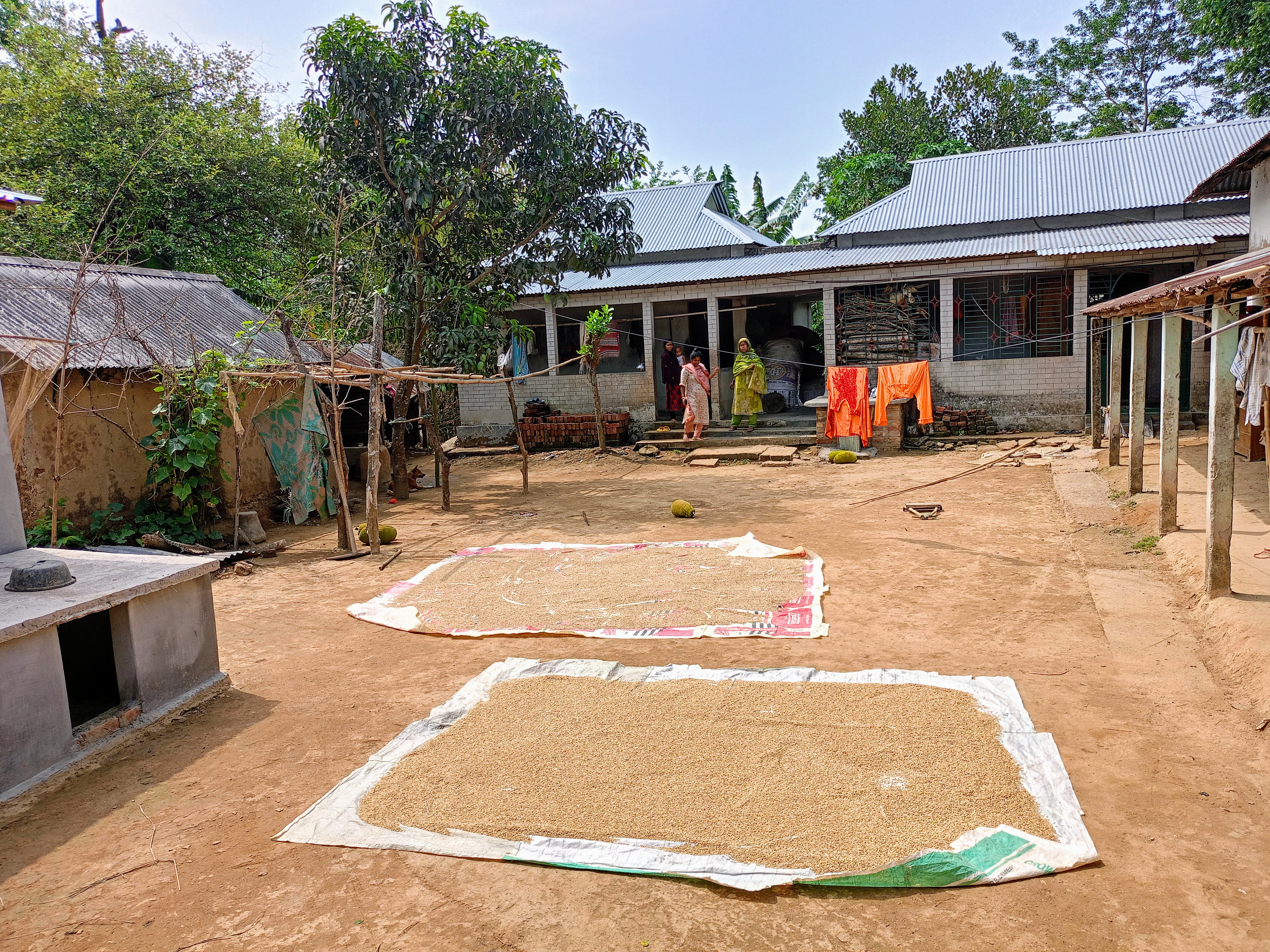
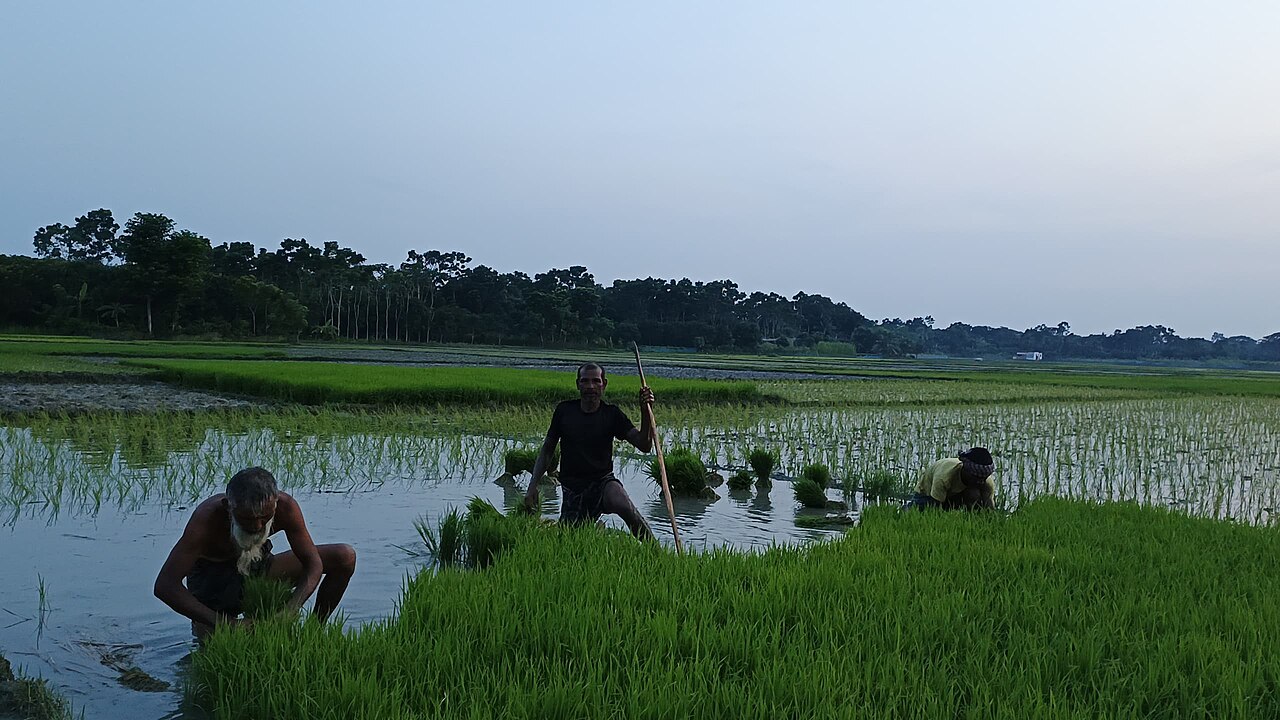
Jagonews24's Kishoreganj correspondent visited haors in Nikli, Itna, Mithamoin and Austagram upazilas from morning to midday and found labourers cutting ripe paddy, some standing in water and some on dry ground. The cut paddy was carried by trucks and smaller vehicles to the threshing yards (khola), where farmers and their families spread the heaped grain in the sun. Many were also laying wet straw out to dry on roads and open fields.
Ramiz Mia, a farmer from Shantipur village in Mithamoin, told Jagonews24 that he had cut his submerged paddy and brought it to the yard but could not dry it while the rain lasted. The sun had given him some relief and everyone was busy drying grain; if it stayed sunny, he said, the water on the fields would also fall. He remained worried that he might not be able to bring all of his paddy home.
Rainfall and river levels
Akhtar Faruk, senior observer at the Nikli weather observatory, said 61.1 millimetres of rain was recorded in the 24 hours from Wednesday morning to Thursday morning.
Sajjad Hossain, executive engineer of the Kishoreganj Water Development Board, gave a mixed picture of the rivers:
- The Magra at Chamraghat in Karimganj rose 63 centimetres on Wednesday and fell 2 centimetres on Thursday.
- The Dhanu-Baulai at Itna rose 49 centimetres on Wednesday and a further 14 centimetres on Thursday.
- The Kalni at Austagram rose 69 centimetres on Wednesday and only 1 centimetre on Thursday.
- The Meghna at Bhairab had begun to fall.
He said farmers had already been told to cut their paddy quickly.
Paddy on 4,754 hectares under water
Dr Sadiqur Rahman, deputy director of the DAE in Kishoreganj, told Jagonews24 that several days of continuous rain had submerged paddy on 4,754 hectares, with the heaviest damage in Itna upazila. If no more rain fell, he said, farmers were not expected to suffer major losses.
Three days earlier, on 27 April, Prothom Alo reported DAE figures showing that boro had been planted on 168,262 hectares in Kishoreganj that season, 104,535 hectares of them in the haor areas, with a production target of 1,295,029 tonnes of paddy, or about 796,686 tonnes of rice. The deputy director said then that 48 per cent of the haor paddy had been cut; paddy left under water for five or six days would suffer more damage, so he had told farmers to cut 80 per cent of the ripe crop. He also said silt in the rivers had slowed drainage and caused waterlogging in the Austagram haors.
What a haor is
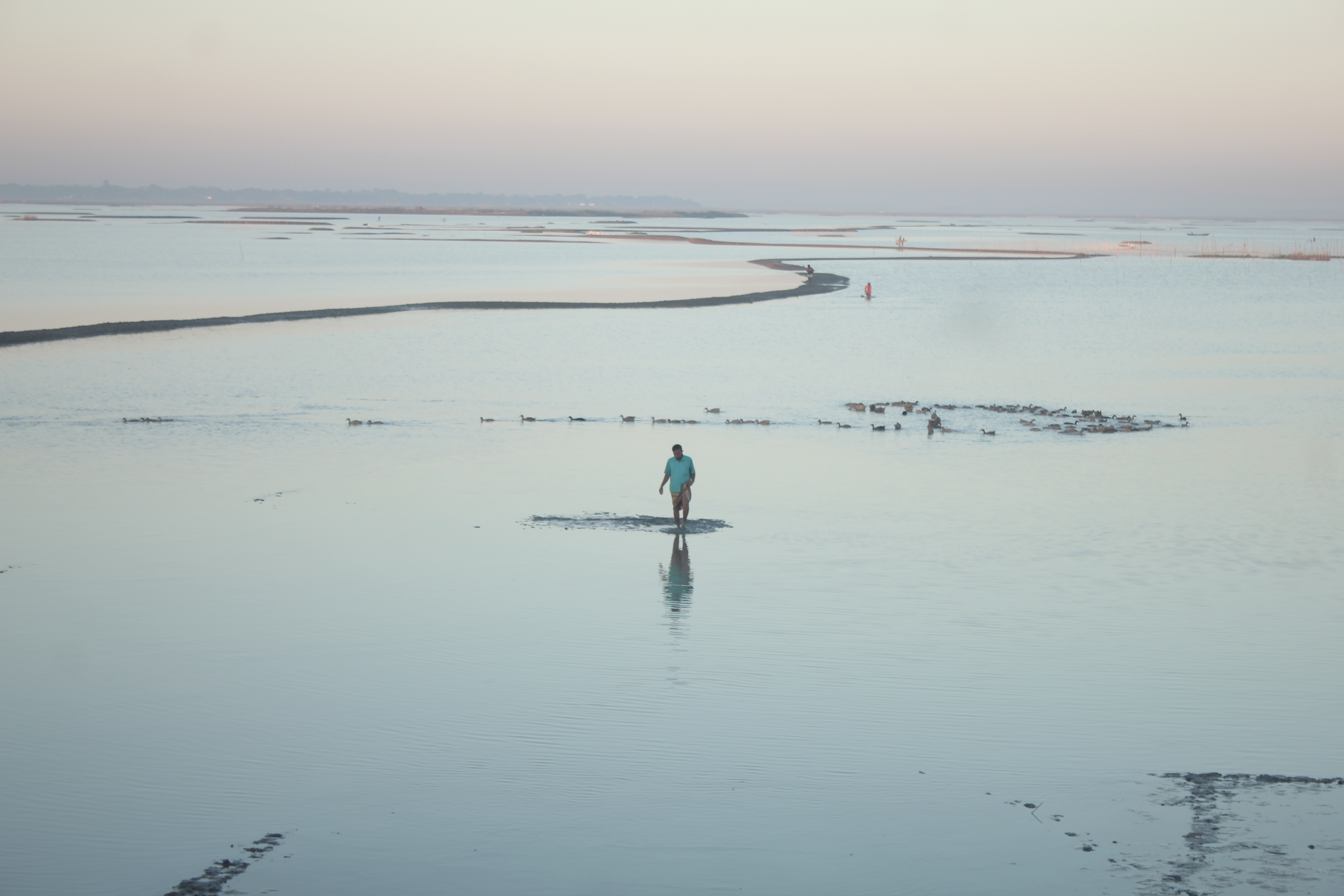
A haor is a bowl- or saucer-shaped shallow wetland depression in north-eastern Bangladesh. In the monsoon it fills with runoff from rivers and canals and becomes a vast expanse of water. Kishoreganj is a district of Dhaka Division with 13 upazilas, and Itna is one of the largest upazilas in the country by area because of its extensive haors.

Photo: ZahidTushar / Wikimedia Commons (CC BY-SA 4.0)
Sources: Jagonews24, Prothom Alo, Wikipedia
Comments
(0)