
Fruits
Waking From a Long Slumber, a Sudden Rush for GI Recognition
India's registration of the Tangail saree as its geographical indication has jolted Bangladesh into hurried GI recognition, which experts warn must be handled carefully.
India's registration of the Tangail saree as its geographical indication has jolted Bangladesh into hurried GI recognition, which experts warn must be handled carefully.
Two university students argue that the shrinking Sundarbans and its endangered wildlife must be protected before it is too late.
Miscreants stripped at least 400 maunds of boroi from a farmer's three-and-a-half-acre orchard in Gosairhat, Shariatpur, causing a loss he puts at Tk 10 lakh.
A Change Initiative study finds the Sundarbans lost about 3 per cent of its dense forest between 1973 and 2024, while wetland area grew and toxins spread.
 Video
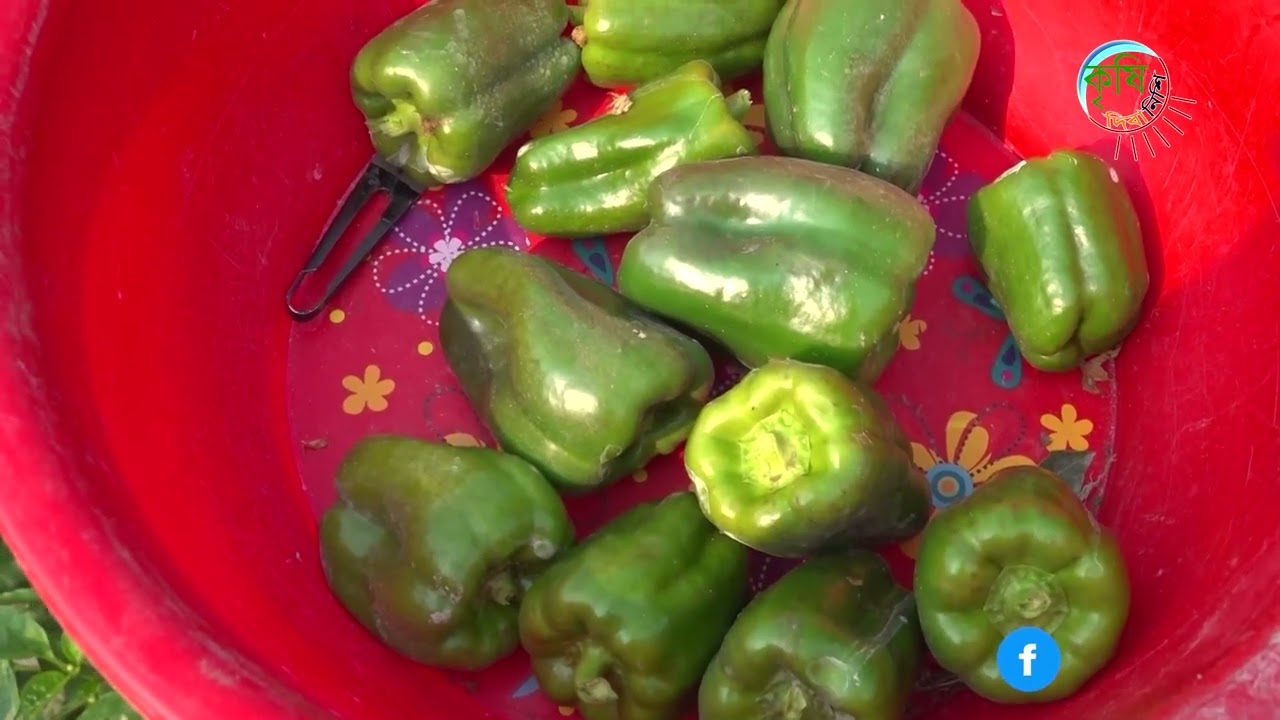
VideoIn his seventies, retired Azharul Islam Talukder of Basail, Tangail, has built a polynet house to grow coloured capsicum after weather hurt his first crop.
A change in cropping pattern in three Chalan Beel upazilas of Pabna has brought fallow land under mustard, lifting the district's mustard area by 10,000 hectares, or 70,000 bigha, in a year.
Cold waves and dense fog through the mustard season left Dinajpur's beekeepers far short of their honey target, and they are now preparing to harvest honey from litchi blossom to recover.
Journals have been published approving four more products as Bangladeshi geographical indication (GI) goods, bringing the country's total to 28, the Ministry of Industries said on 12 February.
A duck farm in Kulpala village, Chuadanga, which Zakir Hossain began in 2002 with 150 ducks bought for Tk 1,600, now keeps about 12,000 ducks and makes a monthly profit of around Tk 3 lakh to Tk 5 lakh after Tk 8 lakh in costs.
Tahsin Ahmed, who came to Dhaka from Mymensingh after his SSC exams in 2015, started Ruma Nursery with just Tk 12,000 and now runs two nurseries in the capital.
Vegetable farming has brought a quiet revolution to more than 50 villages in several unions of Thakurgaon Sadar upazila, which the agriculture department says sell about Tk 900 crore of vegetables a year.
In Natore's Gurudaspur, Md Abdul Alim of Bilkathor village has succeeded with yellow and purple cauliflower on a first trial, the first coloured cauliflower grown in the district.
A camel farm set up at Dewanbagh Sharif in Arambagh, Dhaka, the first of its kind in the country, raises camels worth Tk 20 lakh to Tk 40 lakh each like any other domestic animal.
 Video
VideoIn Salalah, Oman, Neamat Ali from Chattogram has turned years of uncertainty into success, farming 12 bighas commercially including betel leaf.
A disease that blackened and scorched tomato plants has destroyed the crop of 12 farmers on 160 decimals at Imamnagar in Sitakunda's Bhatiary union, and farmers accuse the local agriculture officer of never visiting.
A farmer in Rajoir, Madaripur, has lost tomatoes on two bigha of land, about 6,000 plants, after applying a pesticide to control insects, a loss he puts at Tk 15 lakh to Tk 20 lakh.
Farmer Md Abu Sayeed hopes to earn Tk 50 lakh from tomatoes grown on hill slopes about 300 feet above the plain at Mestarir Char in Matiranga, Khagrachhari.
Rice prices rose by up to Tk 6 a kg around last month's election but have fallen by at most Tk 2 at retail, despite the food minister's warning and daily anti-hoarding drives.
Because it costs little and pays well, maize cultivation keeps growing in Thakurgaon, where farmers have turned to hybrid varieties as an alternative to rice and other crops.
Purple "Valentina" and yellow "Carotina" cauliflowers fetch double the price of white ones, and farmers in Shariatpur are growing more of them each year.