
When Bhekumuzi Dube started Freshmark Farming Enterprises in Filabusi, Matabeleland South, Zimbabwe, in early 2022, he raised broilers for meat, starting with about 500 birds a cycle and adding 500 every two weeks as the business grew, Farmers Weekly reported. He sold live birds to the local community and later to butcheries further away.
As volumes rose, so did the problems. "Buyers started dictating their own prices, while our production costs were still rising," Dube said. Feed, fuel and medication were his main costs, and the remote farm runs mainly on solar power, which at one point left him without enough refrigeration. He concluded that simply growing broiler numbers was not the way to expand.
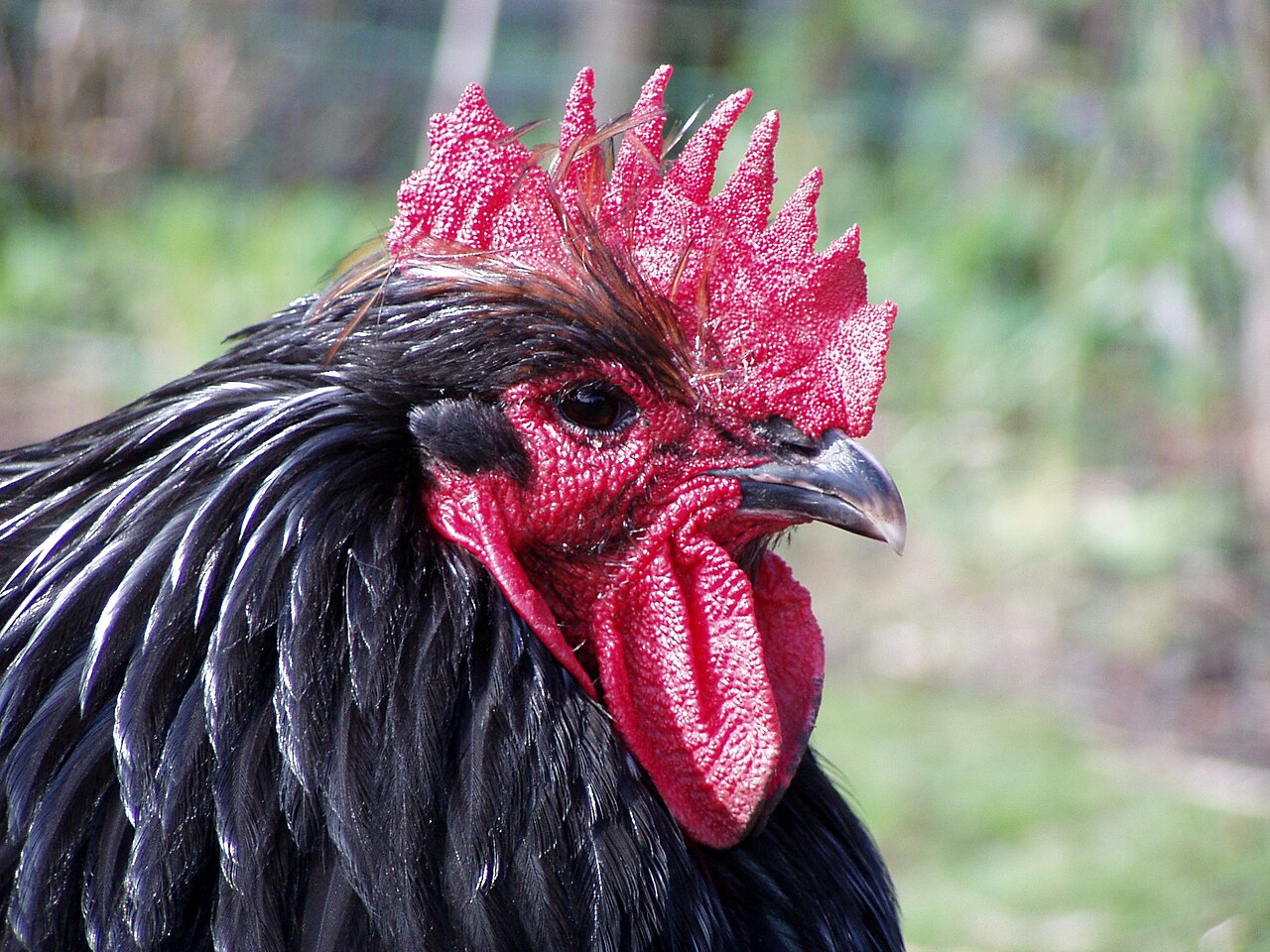
Freshmark switched to breeding and chick production. Its flock is now about 350 birds, including roughly 150 breeding birds. Dube's interest began with an experiment: he bought a single Brahma rooster and crossed it with local village chickens, and the offspring, he said, were strong, hardy chicks that grew well. He had worked in logistics in South Africa, where farmers he met encouraged him to bring their methods home.
Breeding has changed the way he farms. Instead of rearing for the market, he selects parent birds for growth, body structure, fertility, egg production, hatchability, temperament and hardiness, spends time watching individual birds before deciding which stay in the programme, and keeps records, since the results of each choice show only over generations. He chose Buff Orpington hens for their gentle nature and ease of handling.
To support chick production the farm has invested in incubation equipment, including a setter that holds about 680 eggs, which now sits at the centre of the business.
For small poultry keepers facing the same squeeze between feed costs and buyers' prices, Dube's route is one option: supplying chicks to other farmers rather than competing on the price of meat birds.
Reporting by Farmers Weekly staff.
Photo: Rex / Wikimedia Commons (Public domain)
Source: Farmers Weekly South Africa



Comments
(0)