
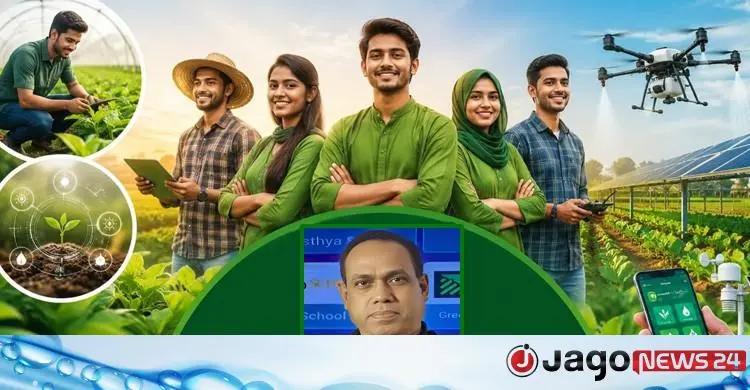
Agriculture in Bangladesh is no longer just the plough and family subsistence. Technology, markets, information, machinery, climate change, supply chains and changing consumer demand are pushing it into a new reality, and the country's young people could be the most important force in that change. The question is how to turn farming into a modern, respected and profitable sector in which an educated young person would rather create an agribusiness than look for a job.
Why it matters now
An IMF analysis from 2026 shows that between 2015 and 2024 agriculture's share of employment in Bangladesh rose while its share of value added fell, and that young people's employment shifted even more towards farming, because high-productivity industry and services did not create jobs at the same rate. Agriculture still absorbs a huge workforce, which makes productivity and income growth critical.
Many young people see farming as their parents' occupation because of uncertain income, fragmented land, price swings, disasters, rising costs and social status. Yet modern agriculture offers roles beyond working the land: machinery service provider, drone operator, soil tester, digital agri-service provider, nursery owner, safe-food producer, produce aggregator, cold-chain entrepreneur or online marketer. In Godagari, Rajshahi, young entrepreneurs lease land and use digital technology and mechanisation to grow high-value crops and fruit and run seedling businesses.
Building a pathway, not just training
Bangladesh adopted a National Youth Entrepreneurship Development Policy in 2025, and work began in 2026 on a national action plan. But agriculture needs its own framework. Young agri-entrepreneurs need technical training, business planning skills, easy-term finance, quality inputs, direct market links, advice and mentoring, digital platforms, insurance and coordinated public and private support. CGIAR research on young entrepreneurs in Bangladesh identified gaps in skills, credit, infrastructure, technology and market access as major challenges.
Technology as a business
- A young person could set up an upazila "agri service centre" offering soil testing, weather information, pest and disease identification, drone services, machinery hire, advice, inputs and market links.
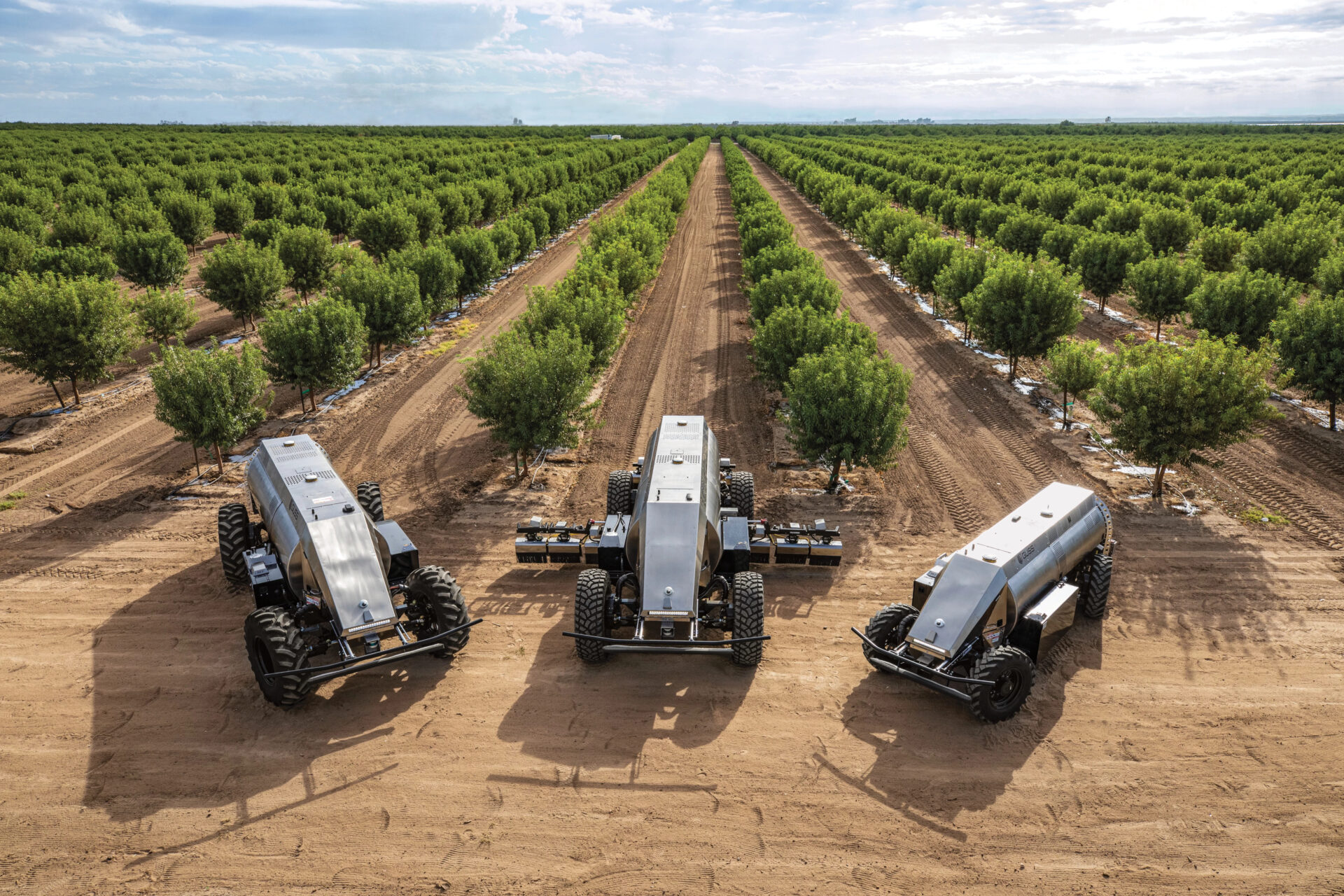
- In a "machinery as a service" model, youth could rent out tractors, reapers, harvesters, power sprayers and drones, since high machine prices, fragmented land and weak custom-hiring services are major barriers for smallholders.
- Collection, sorting, grading, packaging, storage, transport, processing and marketing offer large value-addition opportunities, from supplying safe vegetables to supermarkets and online grocers to making fruit pulp, dried vegetables, spices and pickles.
Young women have strong opportunities in nurseries, mushrooms, rooftop gardening, safe vegetables, poultry, fish, dairy, processing, online sales and digital advice. The Better Life Farming initiative in Bangladesh aims to create more than 1,000 agri-entrepreneurs, at least 20 percent of them women.
Recommendations
- A national agricultural youth entrepreneurship programme bringing together the ministries of agriculture and youth, DAE, the Department of Youth Development, universities, research institutes, banks, NGOs and technology firms.
- Agri Youth Innovation Hubs in every upazila.
- Dedicated credit and investment with mentoring from start-up to marketing.
- More market-oriented government training that includes new farm technologies and business models.
- Agricultural universities and training institutes acting as incubators for agri-entrepreneurs.
- Crop insurance, weather alerts, digital advice and market information linked to entrepreneur services, and public-private partnership (PPP) models.
Conclusion
The biggest change needed is in mindset: from "farming because there is no job" to "a technology-based business in agriculture". If agriculture becomes a respected field of jobs and entrepreneurship for young people, the writer concludes, the rural economy will strengthen, unemployment will fall, productivity will rise and food and economic security will improve.
Source: Jagonews24. First published in Bengali on The Agro News.
Comments
(0)