
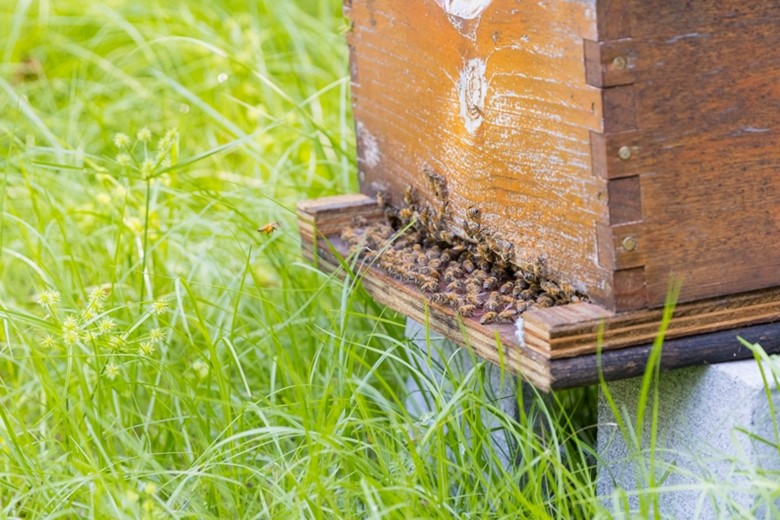
More than 7,400 traps are now deployed across Georgia and South Carolina, with more in North Carolina, as the U.S. Department of Agriculture and state partners try to contain the yellow-legged hornet, an invasive predator of honey bee colonies. USDA's Plant Protection and Quarantine (PPQ) programme described the campaign in a blog post published on 10 August 2026.
The hornet was first detected in the United States in Savannah, Georgia, in 2023. Since then PPQ has worked with the Georgia Department of Agriculture, Clemson University's Department of Plant Industry and the North Carolina Department of Agriculture & Consumer Services to slow its spread. North Carolina recently confirmed its first find, prompting expanded early-detection work across that state.
The Georgia Department of Agriculture has captured more than 200 queens this season, most of them in Savannah and nearby coastal areas. Clemson's Department of Plant Industry is running a surge operation in York County, South Carolina, after a new population was confirmed there in late 2025; a surge is a short, high-intensity increase in staff, traps and resources to speed up detection and response.
Teams are also using bait stations and mapping dashboards to track hornet activity and direct field crews, while agencies hold community events, send out informational mailers and ask residents to report suspected sightings. USDA said early public reports are what allow responders to find and remove nests quickly.
The threat is not confined to the south-east. After a Washington State Department of Agriculture grain inspector photographed a live hornet on a vessel in Vancouver, Washington, officials in both Oregon and Washington launched detection surveys to determine whether the insect is present in the area.
The yellow-legged hornet hunts honey bees and, USDA says, threatens the health of native pollinators that agriculture depends on. For beekeepers and for growers of crops that need insect pollination, the state of the containment effort is a direct concern: an established population would add a new predator to their hives. Anyone who thinks they have seen the hornet or a nest is asked to report it at once.
Source: USDA

Comments
(0)