
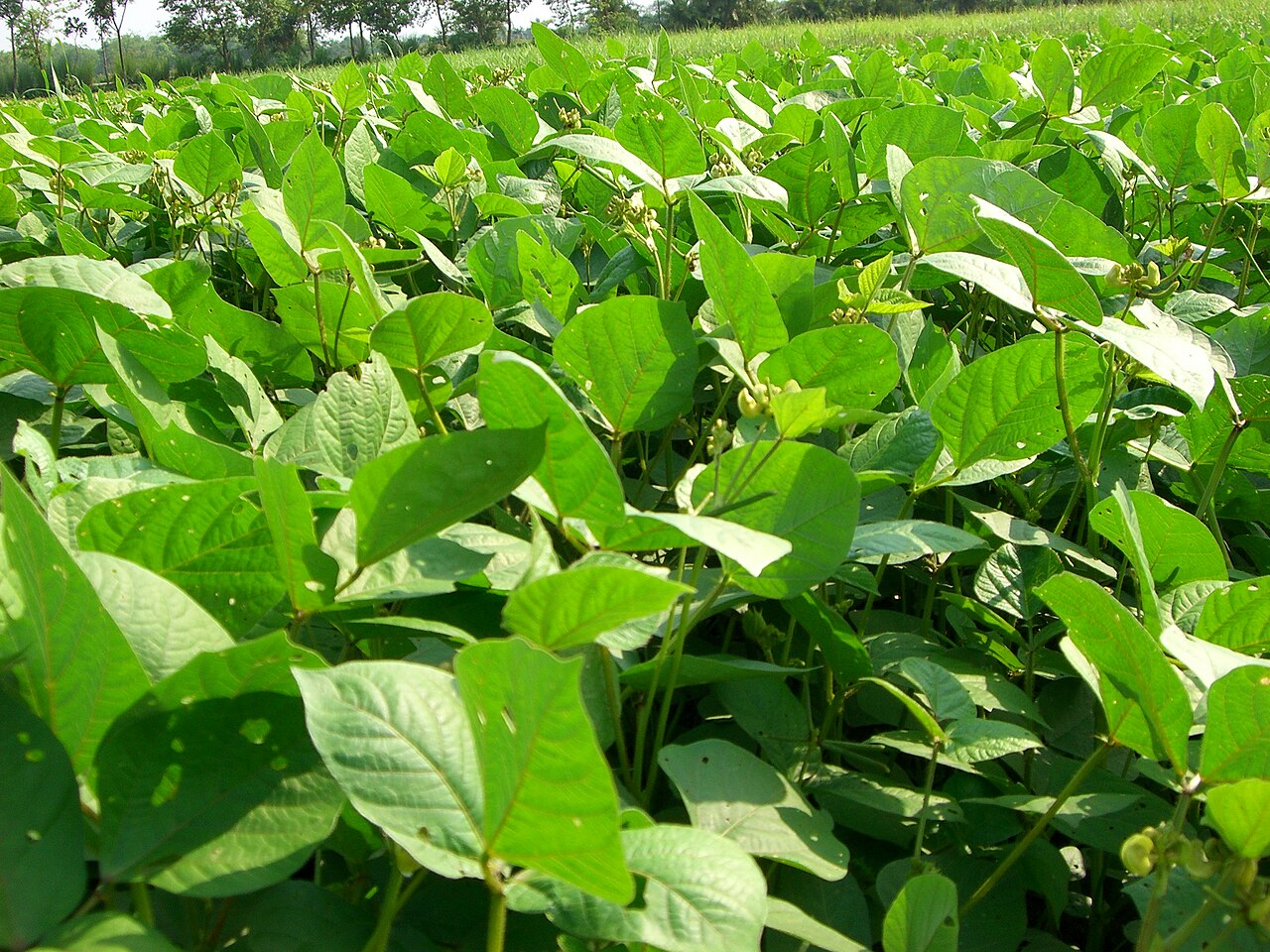
In Jarmandi village of Dahbandh union, Sundarganj upazila in Gaibandha, only a handful of homes once grew hyacinth beans. Now at least 20 families make their living from beans on about 35 bighas. Samakal's Sundarganj correspondent A Mannan Akand reported the village's change.
About 16 years ago Md Nasir Uddin brought seed of the Puti variety from his in-laws in Natore and grew beans on a trellis in his yard. The following year his neighbour Abu Taleb Mia took seed from him and started growing commercially on 10 decimals; after a profitless first year he expanded to 20 decimals and made about Tk 50,000 after costs. His brothers and cousins followed, and slowly the rest of the village.
Abu Taleb said he first had to buy about Tk 5,000 of bamboo for trellises; using GI wire with bamboo posts now costs less and lasts longer. This season he has spent about Tk 12,000 on 20 decimals of Puti beans and hopes to sell about Tk 100,000 worth. Saiduzzaman Mia has spent about Tk 50,000 on nearly two bighas of the Satia variety and hopes for about Tk 300,000 in sales over the next five to six months. Bidhan Chandra, with three bighas of Puti and Satia beans, hopes for about Tk 400,000.
But growers say bamboo, twine, GI wire, seed, fertiliser, pesticide and labour are all getting dearer, and frequent rain is damaging crops, so profits are shrinking. Saiduzzaman also complained of getting no advice from the agriculture department. Beans now sell at Tk 50 a kg wholesale and Tk 60 to 65 retail at Sundarganj market, according to trader Hamidur Rahman.
According to the upazila agriculture office, vegetables cover about 800 hectares in Sundarganj's 15 unions and one municipality this season, much of it on the Teesta chars. Beans are usually sown in Shrabon and Bhadro (August to September) and start bearing 45 to 55 days after sowing.
Upazila agriculture officer Md Kaiyum Chowdhury said vegetables suit high ground and can give good returns at relatively low cost, though they need regular, intensive care. He said the Jarmandi growers are being given the advice and support they need.
Photo: Shahnoor Habib Munmun / Wikimedia Commons (CC BY 3.0)
Source: Samakal

Comments
(0)