
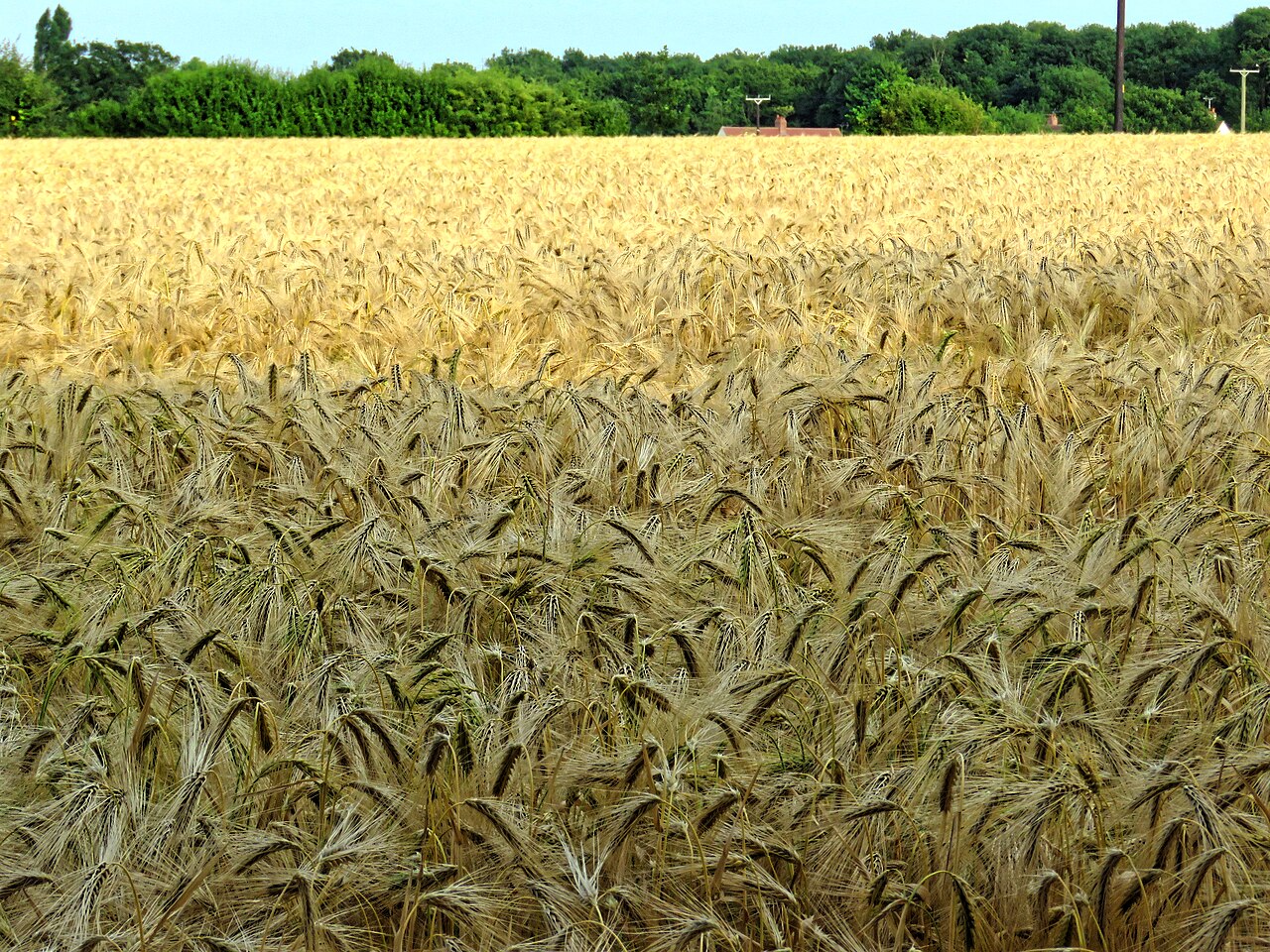
Wheat farmers in Mexico's Yaqui Valley who adopted a set of science-based practices used 42% less fuel and 26% less water per unit of grain in the 2025-2026 fall-winter season, according to results from a collaboration between the milling company Grupo Trimex and CIMMYT, the International Maize and Wheat Improvement Center.
The problem the programme tackles is cost, not only output. In Sonora, water scarcity, declining soil organic matter and rising input prices have made the water, fuel and fertilizer needed for each tonne of grain a squeeze on farmers' margins.
Rather than one package, farmers and technicians chose from six broad innovations and 18 specific practices after assessing each field: conservation agriculture, permanent raised beds, crop residue management, soil testing, fertilizer timed and dosed to crop needs, pest monitoring, land levelling and better irrigation management. Conservation agriculture and integrated nutrient management were among the most adopted.
Across the innovation modules, nitrogen used per tonne of wheat fell by 34% and yields reached 4 tonnes per hectare against 3 tonnes under conventional management, which CIMMYT reports as a 27% increase. The next phase will strengthen soil testing and mapping to make nutrient recommendations more precise.
The work began in 2024-2025 with 17 farmers on 527 hectares and grew to 22 farmers on 1,078 hectares the following season, a cumulative 1,605 hectares with three demonstration modules and 11 extension areas. "Working with science-based evidence allows us to rely on objective information, focus on what has been proven to work and demonstrate the results to farmers," said Roberto Miramontes, head of wheat procurement at Grupo Trimex.
CIMMYT also notes the limits: despite the gains, profitability remains under pressure from wheat prices and production costs, which is why producing each tonne with fewer inputs matters more each season.
Photo: Acabashi / Wikimedia Commons (CC BY-SA 4.0)
Source: CIMMYT


Comments
(0)