
Weeds now take a much smaller share of India's harvests than a decade ago. A 2026 assessment by the ICAR-Directorate of Weed Research in Jabalpur, based on 1,622 on-farm trials across the country from 2014 to 2024, puts the average yield loss to weeds in major field crops at 13.43%.
The directorate's 2018 study, drawn from 1,581 on-farm trials in 2003-2014 under the All India Coordinated Research Project on Weed Management, had estimated an average loss of about 25%, worth nearly US$11 billion a year. Losses then were highest in groundnut (35.8%), soybean (31.4%), green gram (30.8%), pearl millet (27.6%) and maize (25.3%).
The new estimate of annual economic loss is about US$10.58 billion, lower than in 2018 even though it is calculated at the revised, higher minimum support prices of the crops.
ICAR credits no single technology. Farmers now have more options: pre- and post-emergence herbicides, better formulations and application practices, mechanical methods and cultural practices. Herbicides have helped most where labour is scarce or hand weeding is costly. Controlling weeds in time, during the critical period of crop-weed competition, keeps water, nutrients, sunlight and space for the crop.
The institute sees the fall as the combined result of better technology, better-informed farmers, stronger extension and wider availability of weed-control tools, and says wider adoption of integrated weed management can protect still more of the harvest.
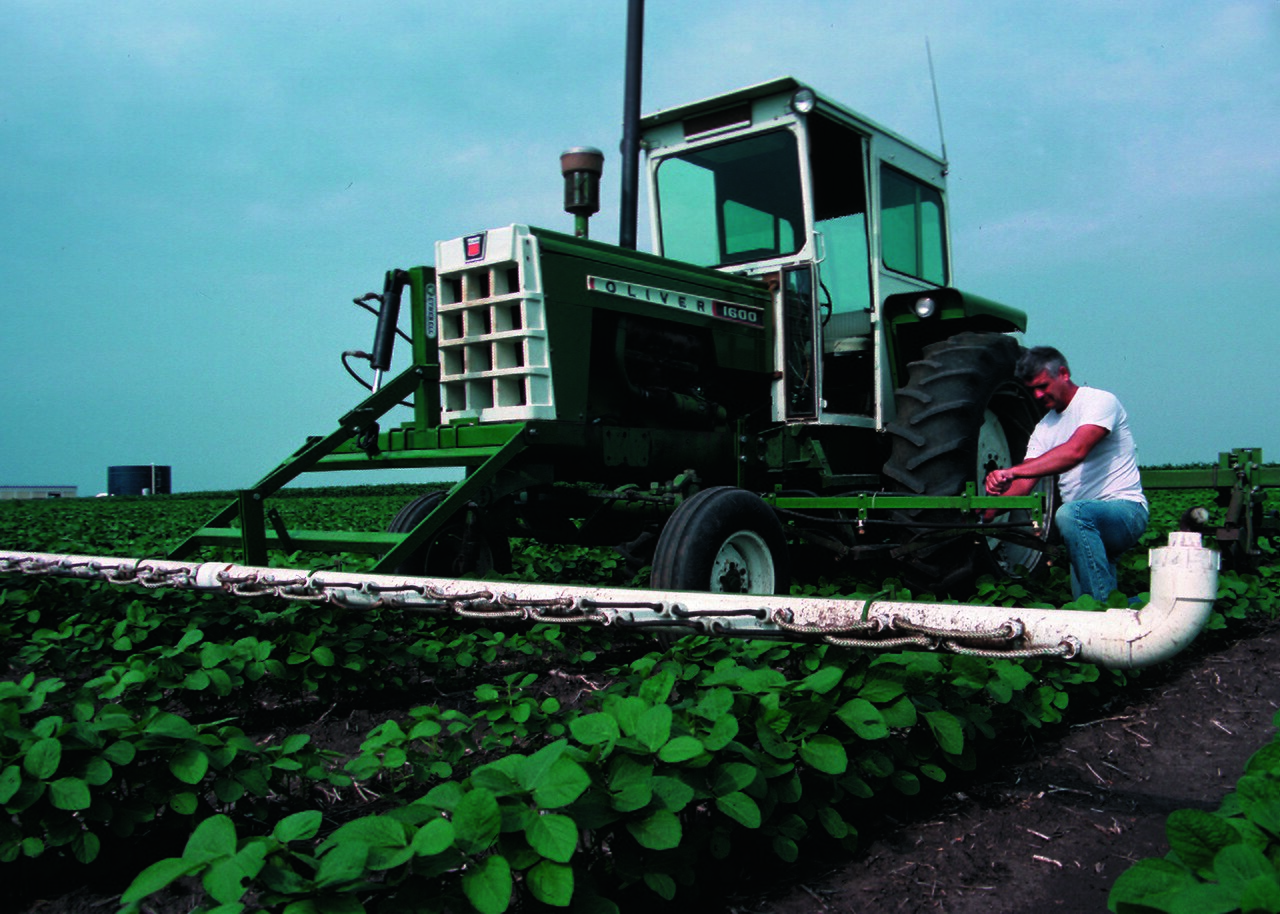
Photo: Lynn Betts, USDA NRCS / Wikimedia Commons (public domain)
Source: ICAR
Comments
(0)