
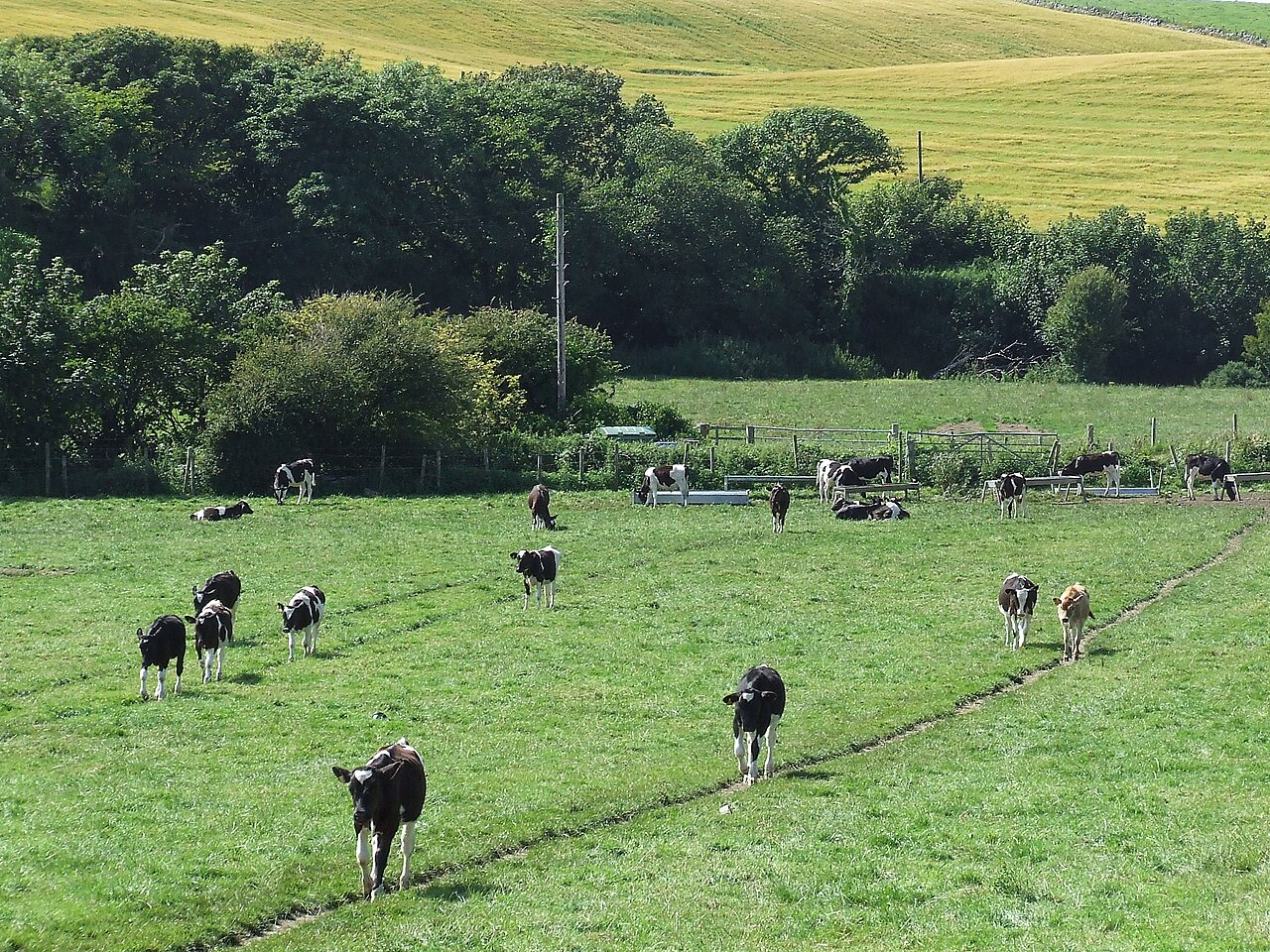
Scotland's cattle herd has grown for the first time since 2021, a tentative sign that the livestock sector is stabilising after years of decline, according to the June Agricultural Census 2026.
The census counted 1.67 million cattle, 0.7% more than a year earlier but still 1.3% below the five-year average. More male cattle, female beef cattle and calves outweighed a fall in female dairy cattle. Pig numbers rose for the first time since 2022, by 4.9% to 327,700.
Quality Meat Scotland chief executive Sarah Millar called the figures "cautious but genuine grounds for optimism", citing a second consecutive rise in the calf crop. She warned, though, that Scotland still has 40,000 fewer cows than in 2021, that input costs and profitability weigh heavily, and that a surge in sow slaughter over the summer points to a smaller pig herd in the coming year.
Agriculture minister Jim Fairlie said the pathway to net zero lies in supporting a thriving livestock sector rather than reducing it.
Elsewhere the picture is mixed. Sheep fell 0.5% to 6.50 million and poultry 4.4% to 11.88 million. Soft fruit area dropped to 1,800 ha, the lowest since 2015, with strawberries 19% below the five-year average. Winter crops (wheat, winter barley and winter oats) were 6.9% above the five-year average, while spring crops fell 16%, led by a 17% drop in spring barley. The farm workforce fell 1% to 66,100 people.
Photo: Andrew Gritt / Wikimedia Commons (CC BY-SA 2.0)
Source: Farmers Weekly

Comments
(0)